Ceramic coating lasts anywhere from 6 months to 10 years, depending on the product grade and how well you maintain it. Consumer spray-on coatings fade within a year, while professionally applied coatings can protect your vehicle for 2 to 5 years or longer with proper care.
The Short Answer and Why It Varies So Much
If you have been researching ceramic coating for your vehicle, you have probably noticed that lifespan claims range from a few months to a full decade. That is not marketing confusion. It reflects the enormous gap between different product categories, application methods, and real-world conditions.
At Big Easy Mobile Detail, we believe in giving customers honest expectations rather than best-case projections. Here is how the numbers actually break down and what you can do to get the longest life possible out of your coating.
Ceramic Coating Lifespan by Product Type
Not all ceramic coatings are created equal. The product category is the single biggest factor in how long your protection will last.
Consumer spray-on ceramic coatings are the entry-level option available at auto parts stores and online retailers. These products contain a lower concentration of silicon dioxide (SiO2), which is the active ingredient that bonds to your paint and creates the protective layer. Spray-on coatings typically last 6 to 12 months before they wear through and stop providing meaningful protection. They are easy to apply and affordable, but they do not deliver the long-term durability that most buyers expect.
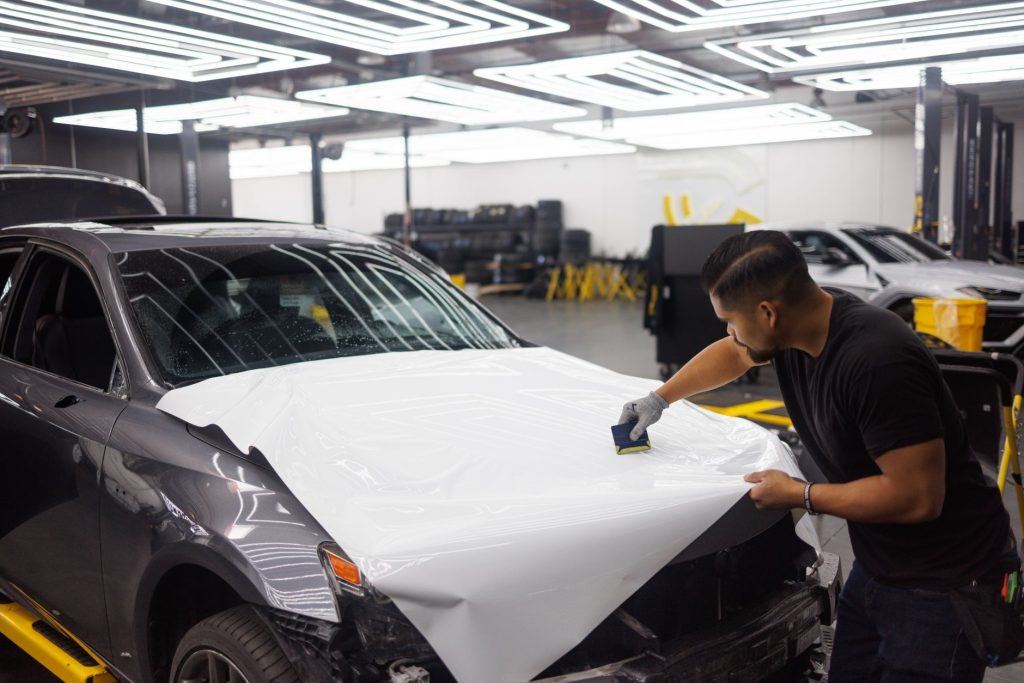
Professional-grade ceramic coatings are applied by trained detailers in controlled conditions. These formulations have higher SiO2 concentrations and are designed to chemically bond to the clear coat at a molecular level. A professional coating typically lasts 2 to 5 years, and some premium professional products can push toward 10 years with ideal maintenance. The application process is more involved, often requiring surface preparation that includes decontamination and sometimes paint correction to ensure the coating bonds to a clean, smooth surface. For a broader look at protection options, our guide on which protection suits your vehicle compares ceramic coating to other choices.
What Ceramic Coating Actually Protects Against
A properly applied ceramic coating creates a semi-permanent barrier on top of your clear coat that provides several types of protection.
UV protection is one of the most important benefits, especially in sun-heavy climates. The coating absorbs and deflects ultraviolet rays that would otherwise oxidize and fade your paint over time. It also resists chemical etching from bird droppings, tree sap, bug splatter, and acid rain, all of which can permanently damage unprotected clear coat if left sitting on the surface.
Ceramic coatings also offer resistance to minor surface scratches and swirl marks, though they are not scratch-proof. They will not stop a shopping cart or a key from damaging your paint, but they do reduce the fine scratching that accumulates from regular washing and daily driving. To understand how deeper paint damage is addressed, our article on paint correction and when you need it covers that process in detail.
Perhaps the most noticeable daily benefit is how much easier the vehicle becomes to clean. The hydrophobic surface causes water to bead and sheet off, carrying dirt and contaminants with it. Washing takes less time, requires less scrubbing, and delivers better results.
Five Factors That Shorten or Extend Coating Life
1. Application Quality
A ceramic coating is only as good as its application. If the surface is not properly decontaminated and corrected beforehand, the coating bonds to dirt, oils, or damaged clear coat instead of clean paint. That weakens the bond and causes premature failure. Professional application includes thorough surface prep, which is why it consistently outlasts DIY application of the same product. Related to exterior care, our complete guide to exterior car detailing explains the multi-step process that professionals follow.
2. Environmental Exposure
Vehicles that sit in direct sunlight all day, park under trees, or drive on salt-treated roads face more environmental stress than garage-kept vehicles. UV radiation, tree sap, bird droppings, road salt, and industrial fallout all attack the coating layer. Garage-kept vehicles consistently see longer coating life because they spend less time exposed to these elements.
3. Maintenance Habits
How you wash your vehicle matters more than most people realize. Automatic car washes with abrasive brushes strip the coating faster than hand washing. Harsh detergents and dish soap break down the hydrophobic layer. Using a pH-neutral car wash soap, washing by hand with proper technique, and drying with clean microfiber towels all extend the coating’s effective life. Keeping up with overall vehicle care between professional services is covered in our post on how to maintain your car’s exterior details.
4. Climate and Geography
This factor deserves special attention for anyone living along the Gulf Coast. The combination of intense UV exposure, high humidity, salt air from the Gulf of Mexico, and frequent rain creates conditions that accelerate coating wear. A coating that lasts 5 years in a dry, temperate climate may last 3 to 4 years in New Orleans or other coastal areas. That does not mean ceramic coating is less valuable here. It actually means it is more important, because the protection it provides against these harsh conditions is exactly what your paint needs.
5. Driving Conditions
Highway driving at high speeds exposes the coating to more road debris, sand, and gravel impacts than city driving. Vehicles that regularly travel on unpaved roads or through construction zones face additional abrasion that shortens coating life.
How to Tell When Your Coating Is Wearing Out
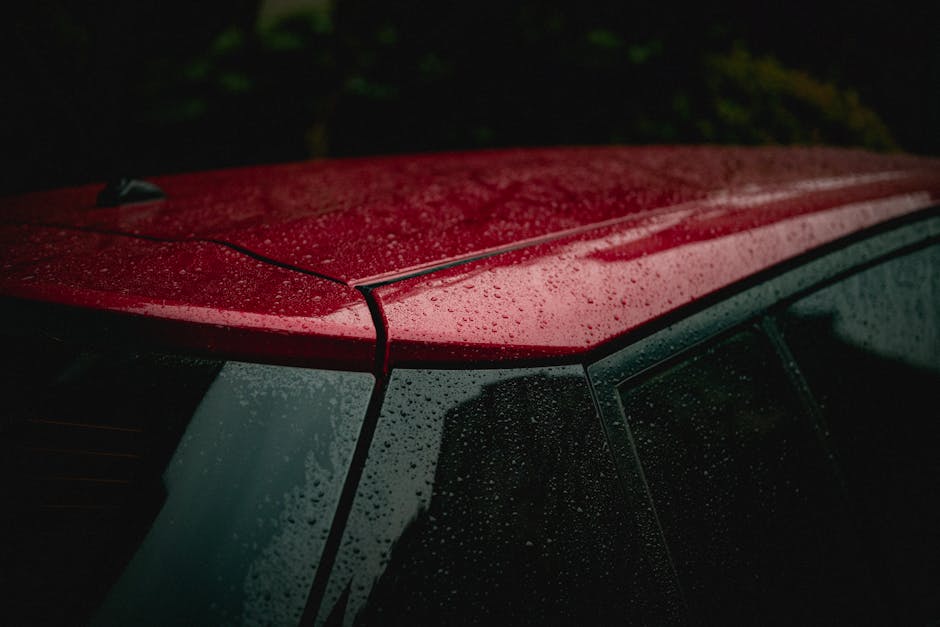
The clearest indicator is a change in water behavior on the surface. A fresh ceramic coating causes water to bead tightly into small, round droplets that roll off the surface quickly. As the coating wears, those beads become flatter and larger, pooling on the surface and lingering instead of sliding away. When water starts sheeting across the paint rather than beading, the coating has lost most of its hydrophobic properties and is due for reapplication.
Other signs include the vehicle getting dirtier faster than it used to, contaminants sticking more stubbornly to the surface, and washing becoming less effective. If you are scrubbing harder and washing more often to achieve the same result, the coating is likely past its effective lifespan. If you notice scratches becoming more visible during this time, our guide on whether exterior detailing removes scratches can help you determine the right next step.
Maximizing Your Ceramic Coating Investment
Getting the most years out of your coating comes down to three things: starting with professional application on properly prepared paint, maintaining the vehicle with gentle and correct washing methods, and reducing environmental exposure when possible. Parking in a garage or under a carport, avoiding automated brush washes, and addressing bird droppings or tree sap promptly all make a measurable difference.
Some professional coatings also benefit from periodic maintenance treatments, sometimes called ceramic boost sprays, that refresh the hydrophobic top layer without requiring a full reapplication. Your detailer can recommend a maintenance schedule based on the specific product applied to your vehicle and the conditions it faces daily.
Schedule Your Ceramic Coating
Whether you are considering your first ceramic coating or ready to reapply after years of protection, the right application makes all the difference in how long your investment lasts. Visit our contact page to get started, or call (504) 399-1448 to discuss what your vehicle needs.
Frequently Asked Questions
How long does a professional ceramic coating last compared to a DIY spray?
Professional ceramic coatings last 2 to 5 years on average, with some premium products lasting up to 10 years. DIY spray-on coatings last 6 to 12 months because they contain lower concentrations of the active bonding ingredient and are not applied with the same surface preparation.
Does ceramic coating last as long in humid coastal climates?
Coatings tend to wear faster in Gulf Coast conditions due to intense UV, salt air, and high humidity. A coating rated for 5 years in mild climates may last 3 to 4 years in New Orleans, making proper maintenance and periodic boost treatments more important.
How can I tell when my ceramic coating is wearing off?
The first sign is a change in water behavior on the surface. Fresh coatings produce tight, round water beads that roll off quickly, while a worn coating allows water to pool and linger in flat, spread-out droplets. You may also notice the vehicle getting dirty faster and being harder to wash.
Will automatic car washes damage my ceramic coating?
Automatic car washes with abrasive spinning brushes accelerate coating wear significantly. Hand washing with a pH-neutral car wash soap and clean microfiber towels is the most effective way to preserve your coating’s hydrophobic properties and extend its lifespan.
Does my paint need to be corrected before ceramic coating?
In most cases, yes. Ceramic coating locks in whatever is on the surface beneath it, so applying it over swirl marks, scratches, or oxidation means those imperfections are sealed in. Paint correction before coating ensures the finish looks its best and the coating bonds properly to clean, smooth clear coat.
Is ceramic coating worth the investment if I park outside?
Vehicles parked outdoors actually benefit the most from ceramic coating because they face constant UV exposure, bird droppings, tree sap, and weather. While the coating may wear slightly faster without garage protection, it still significantly reduces paint damage and makes cleaning much easier throughout its lifespan.