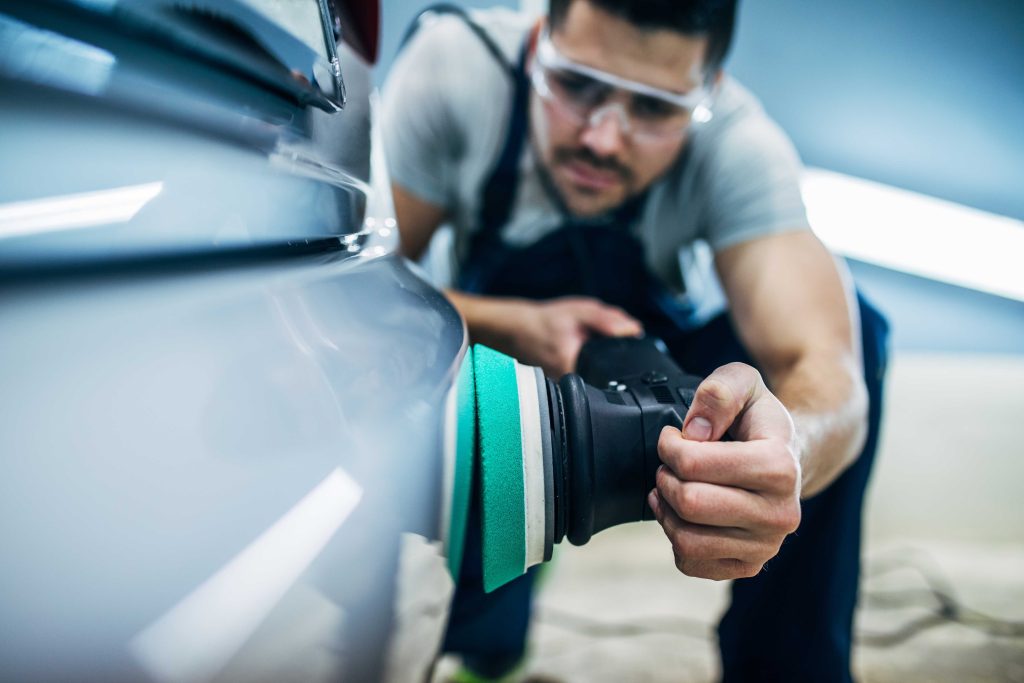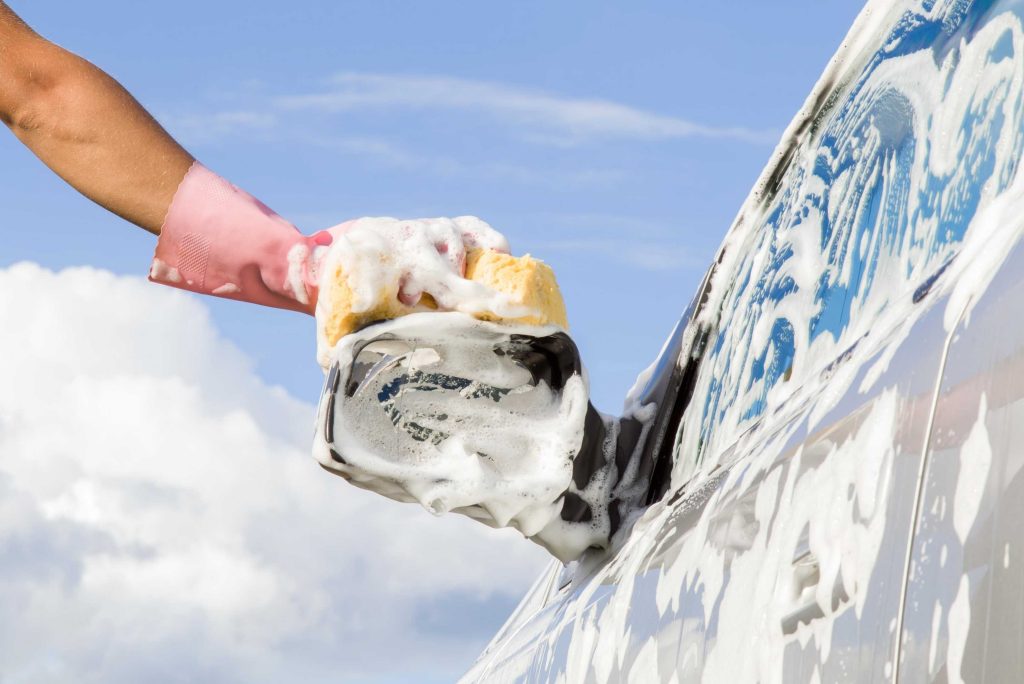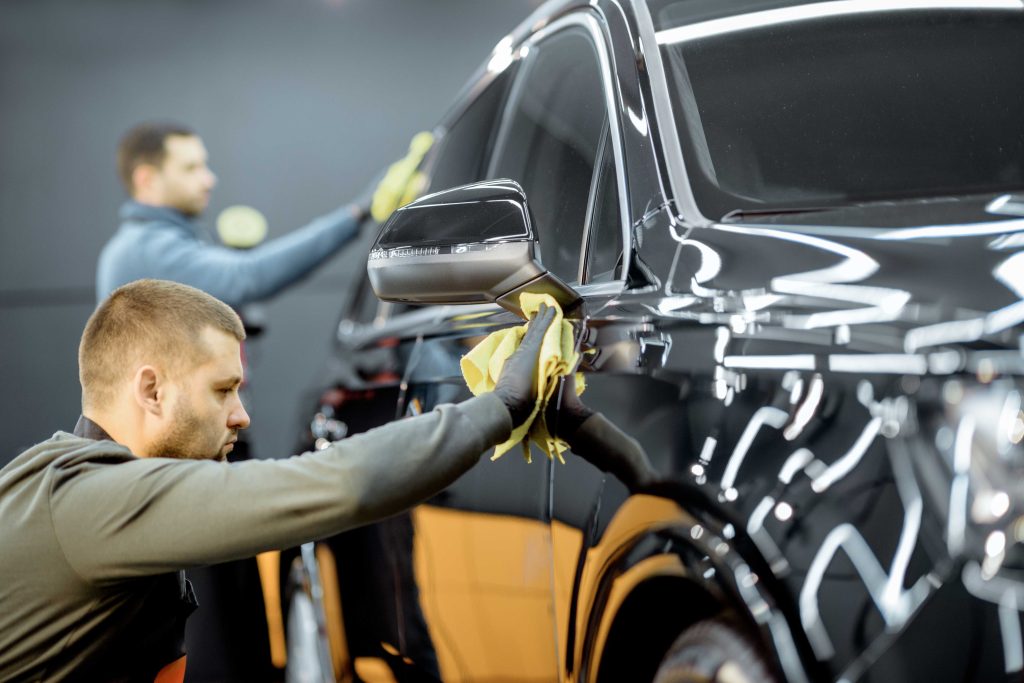
To maintain your car’s exterior between professional detailing sessions, wash it every two weeks using a pH-neutral car wash soap and the two-bucket method. Remove bird droppings and tree sap immediately—bird waste can begin etching your clear coat in as little as 45 minutes under direct sunlight. Apply a spray wax or quick detailer once a month to keep your protective layer fresh. Always dry with a clean microfiber towel to avoid water spots and swirl marks. These steps help your professional detailing results last three to four months instead of fading within weeks.
Professional detailing gives your car a clean foundation and a strong protective layer. But that layer doesn’t take care of itself.
Every day your car is outside, it faces UV rays, dust, tree sap, bird waste, road grime, and industrial fallout. Without regular upkeep, these contaminants build up and slowly break down the wax, sealant, or ceramic coating your detailer applied. What should last three to four months starts fading within weeks.
The good news is that keeping your car in great shape between appointments doesn’t require a lot of time or money. It mostly comes down to consistency, doing a few simple things regularly instead of letting problems build up.
How Often Should You Wash Your Car?
Washing every two weeks is the right target for most vehicles. This schedule removes fresh contaminants before they have a chance to bond permanently to your clear coat, without over-washing in a way that gradually wears down your protective layers.
Your environment should influence how often you wash:
- Coastal areas (like coastal Louisiana): Salt air and sea spray are aggressive on paint — consider washing weekly
- Urban and high-traffic areas: Brake dust and industrial fallout accumulate quickly
- Rural or agricultural areas: Pollen and dust can coat a car in days
The Right Way to Wash Your Car at Home
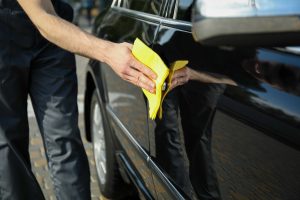 How you wash matters as much as how often. Here’s the method professional detailers recommend:
- Use the two-bucket method. One bucket holds your soapy water with a pH-neutral car wash soap. The other holds clean rinse water. After each pass across a panel, rinse your wash mitt in the clean bucket before reloading with soap. This keeps grit from being dragged back across your paint.
- Start from the top and work down. Your roof collects the least dirt. Your rocker panels and lower doors collect the most. Working top to bottom prevents mud and debris from the lower panels from ending up on sections you’ve already cleaned.
- Avoid washing in direct sunlight. Soap and water dry too quickly in the sun, leaving behind spots and streaks. Early morning, late afternoon, or a shaded driveway gives you enough time to work properly. It also keeps your panels cooler, which helps products perform better.
How to Handle Contaminants Between Washes
This is where a lot of car owners lose ground. Waiting for your next scheduled wash when something lands on your car is a mistake.
Bird Droppings—Remove These Immediately
Bird waste is one of the most damaging things that can land on your car. It contains uric acid with a pH between 3.5 and 4.5, acidic enough to eat through your clear coat. Under direct sunlight, that process can begin in as little as 45 minutes. After two to three hours, the etching can become permanent without professional polishing.
Keep a small spray bottle of quick detailer and a clean microfiber towel in your car. When you spot bird droppings, spray the area to soften it, let it sit for a minute, then gently blot; don’t rub it away.
Tree Sap
Tree sap hardens quickly and becomes very difficult to remove once it’s cured. A dedicated sap remover dissolves it without damaging your paint. Rubbing it off dry will scratch the surface.
Bug Splatter
Insects that hit your front bumper, hood, and windshield contain enzymes and acids that bond to paint fast. Clean these off during your next wash — or sooner if there’s a lot of buildup.
Tar and Road Asphalt
These require a dedicated tar remover. Don’t try to scrub them off with your regular wash mitt. A petroleum-dissolving spray lifts tar safely without scratching.
Water Spots from Sprinklers
If a sprinkler hits your car, the mineral deposits left behind can etch paint just like acid. Diluted white vinegar applied with a microfiber cloth handles fresh water spots well. For older or stubborn deposits, a dedicated water spot remover works better.
How to Protect Your Paint Month to Month
Your detailer applies a protective layer, whether wax, sealant, or ceramic coating, that slowly breaks down over time. You can slow that breakdown significantly with a few habits.
Apply a Spray Wax or Quick Detailer Monthly
A spray wax takes about 10 to 15 minutes to apply across your whole car. It adds UV protection, improves water beading, and keeps contaminants from bonding as easily to your paint. It won’t replace a full detail, but it bridges the gap effectively between appointments.
Use a Ceramic Coating Booster if You Have a Ceramic Coating
If your car has a professional ceramic coating, ceramic booster sprays are designed to refresh its hydrophobic properties meaning water continues to bead and sheet off rather than sitting on the surface. Look for boosters that contain SiO2 (silicon dioxide), which bonds with existing ceramic layers.
Take Care of Your Glass Too
Rain-repellent coatings on your windshield and windows reduce water streaking and improve visibility in rain. They also reduce how hard your wipers have to work. Reapply every three months to maintain effectiveness.
Drying Your Car the Right Way
Air drying is convenient, but it leaves behind water spots from the minerals in tap water. Those spots can etch into your clear coat over time, especially in the New Orleans heat.
Here’s how to dry without causing damage:
- Use a high-quality microfiber drying towel. Look for towels rated 400–600 GSM (grams per square meter). These are thick enough to absorb water well without scratching. Use a patting or gentle dragging motion, not aggressive scrubbing.
- Use multiple towels. As each one becomes saturated, switch to a dry one. A soaking wet towel doesn’t absorb anymore and just moves water around.
- Try a leaf blower or forced air. Pushing water off panels with air eliminates physical contact entirely zero scratch risk. It’s especially effective for getting water out of door jambs, mirrors, and trim gaps where towels can’t reach.
- Apply a light mist of detail spray before toweling. This adds a small layer of lubrication between the towel and the paint, reducing friction. It makes a real difference on dark-colored cars where swirl marks are most visible.
Where You Park Makes a Difference
Your parking habits have a larger impact on your car’s exterior than most people realize.
Garage parking is the gold standard. Covered storage blocks UV exposure, rain, bird droppings, and temperature swings. Paint in a garage simply lasts longer.
Car covers are the next best option for outdoor parking. Choose a breathable cover with a soft inner lining. A cover that traps moisture underneath causes its own problems, and a poorly fitted cover that flaps in the wind can scratch paint. A good, properly fitted cover does genuine protection work.
Choose your parking spot carefully:
- Avoid parking under trees sap, pollen, and bird traffic are all higher there
- Stay away from automatic sprinkler coverage
- In parking lots, park away from heavy foot and cart traffic to reduce door ding risk
Seasonal awareness matters too. In summer, shaded spots reduce interior heat and protect your paint from intense UV. In winter, garage storage protects against the freeze-thaw cycles and road salt that cause rust to develop under the paint.
How to Deal with Minor Paint Chips and Scratches
 Small chips that happen from rocks, gravel, and parking lot mishaps are unavoidable. The key is addressing them before rust has a chance to form.
Touch-up paint pens are the practical solution for chips smaller than a pencil eraser. You can order touch-up paint matched exactly to your factory color using the paint code in your door jamb or owner’s manual.
The process involves:
- Cleaning the chipped area
- Applying a primer if bare metal is showing
- Carefully filling the chip with your color-matched paint
- Finishing with a clear coat layer once the base coat has dried
When to call a professional: Larger chips, deep scratches that cross panel edges, or any area where rust has already started should go to a professional. Rust spreads quickly once it establishes itself, especially in humid climates like New Orleans. For more on what professional detailing can do for scratches, read our guide on whether exterior detailing removes scratches.
Dull or faded patches that don’t have a chip underneath are usually clear coat damage. A mild polishing compound can restore shine to lightly affected areas. More severe clear coat failure needs professional wet sanding and respraying.
Wheel and Tire Care
Your wheels and tires anchor the overall appearance of your car. Neglecting them undermines everything else you do.
Wheels
Brake dust is the main enemy. It’s a metallic, fine residue that bonds to wheel surfaces and becomes stubborn if left to bake in the heat. Use a pH-balanced wheel cleaner designed for your wheel type (painted, powder-coated, chrome, or bare aluminum) and clean them every two weeks. Never use harsh acid-based cleaners on anything other than bare aluminum, as they’ll damage coatings.
Tires
Apply a water-based tire dressing every two to three weeks. This keeps the sidewalls from drying out and cracking (called dry rot) and gives your tires a clean, natural appearance. Apply it with a foam applicator and let it soak in before driving to avoid sling-off onto your paint.
Wheel Wells
Wheel wells trap mud, debris, and road salt that sit against metal and promote rust. A thorough rinse every three months or after any off-road or heavy rain driving prevents that buildup. A pressure washer makes this quick work.
Keep Your Detail Looking Fresh
Everything your detailer does for your car is an investment, one that pays off in appearance, protection, and long-term value. What you do between appointments determines how long that investment holds up.
These habits don’t take much time once they become routine. Regular washing, quick contamination removal, monthly protection, and proper drying keep your car looking like it just came out of a detail week after week.
When it’s time for your next professional service, Big Easy Mobile Detail comes directly to your New Orleans driveway with everything needed to bring your exterior back to its best.
We serve the New Orleans area with professional mobile detailing you can trust. We bring expert care directly to your home or office—no drop-offs, no waiting.
Book your appointment today and let us handle the hard part.
Frequently Asked Questions
Can I use dish soap to wash my car?
No. Dish soap contains degreasing agents that strip away protective wax and sealant. Use a pH-neutral car wash soap designed for automotive paint—it cleans effectively without damaging your protective layers.
What causes swirl marks on car paint?
Swirl marks come from friction — dirty towels, rough wash mitts, circular scrubbing motions, or automated car wash brushes that carry grit from previous vehicles. Using clean microfiber materials and a gentle technique prevents them.
How long does spray wax protection last?
About two to four weeks, depending on how much sun, rain, and washing your car experiences. Monthly reapplication keeps a consistent level of protection between your professional detailing appointments.
How should I care for a ceramic-coated car?
Use pH-neutral wash solutions and soft microfiber materials only. Avoid automated car washes and harsh chemicals. Apply a ceramic booster spray every few months to maintain the hydrophobic properties. Have a professional check the coating every 12 to 18 months.
Do car covers damage paint?
A quality, properly fitted car cover with a soft inner lining protects paint rather than damaging it. Problems happen with cheap covers, dirty covers, or covers that don’t fit and flap in the wind. Keep your cover clean, and it will serve you well.
What’s the best way to remove water spots?
Fresh spots respond to a diluted white vinegar solution on a microfiber cloth. For harder, older deposits, use a dedicated water spot remover. Preventing them in the first place through proper drying is always easier than removing them later.