Paint correction permanently removes surface defects like swirl marks, scratches, and oxidation from a vehicle’s clear coat, unlike temporary fixes from wax or polish. It ranges from single-stage to multi-stage processes costing $300–$2,500+, based on damage and vehicle size. Most vehicles need it every 3–5 years, though washing/storage habits matter more than age.
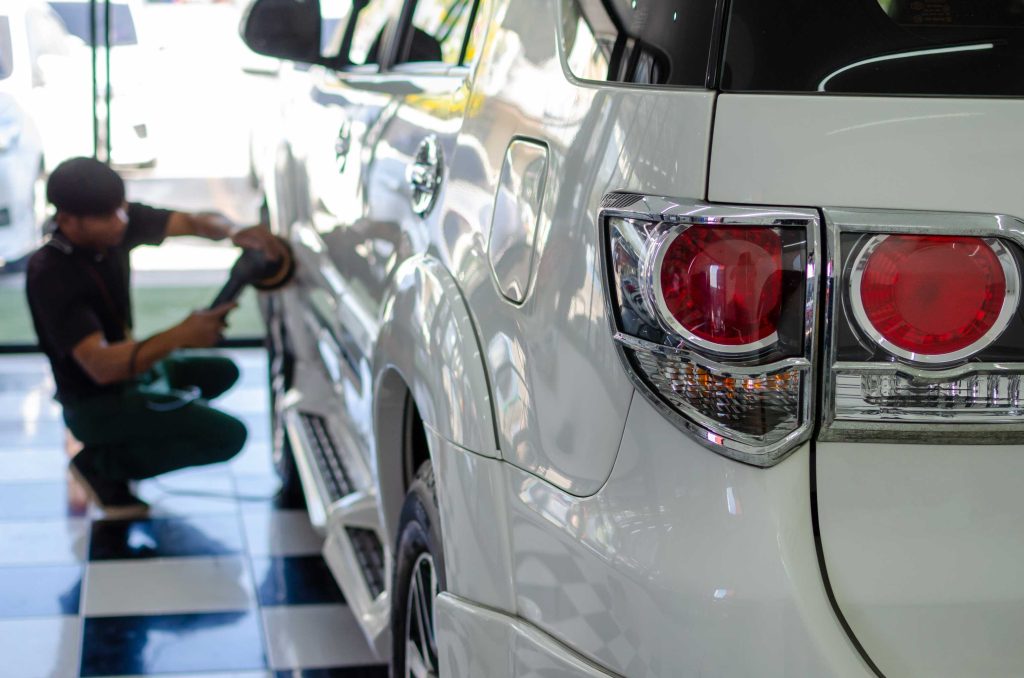
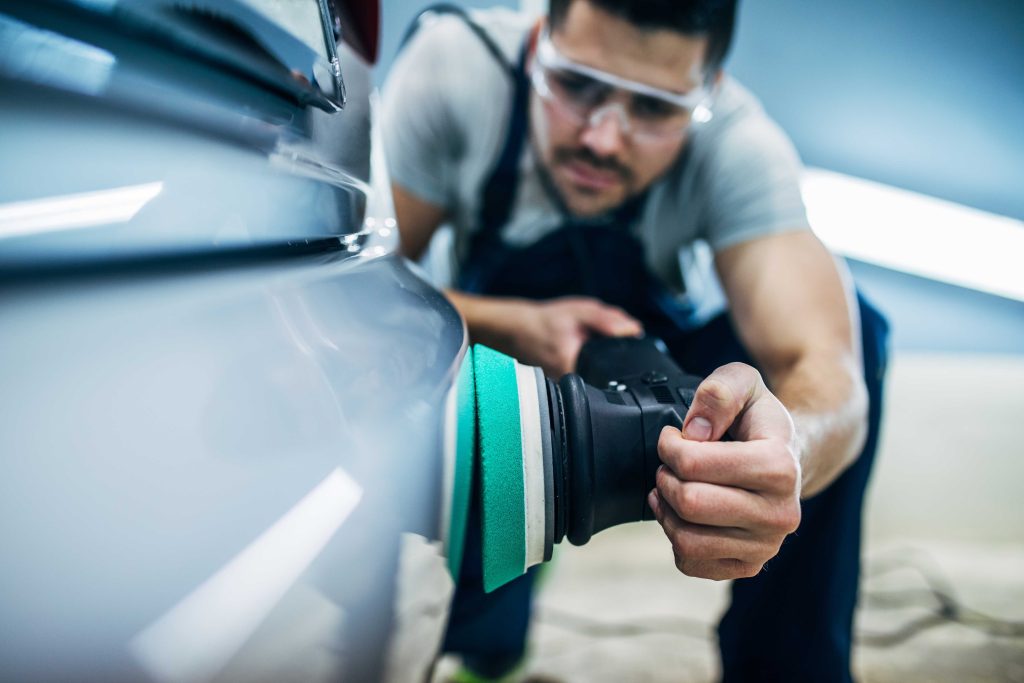
Paint correction is the mechanical removal of microscopic amounts of clear coat to eliminate surface imperfections and restore optical clarity to your vehicle’s paint. Professional detailers use rotary or dual-action polishing machines with varying grades of abrasive compounds to level the paint surface evenly.
Your car’s paint is made up of several layers. The outermost layer is the clear coat, which protects the colored base coat beneath it. Swirl marks, fine scratches, and surface haze live within that clear coat layer. Paint correction works by carefully removing tiny amounts of that layer until the defects disappear.
The key distinction is this: paint correction is permanent. Waxes and glazes temporarily fill in scratches, making them less visible for a short time before fading. Correction physically removes the damaged material. That makes it far more effective at restoring a finish, but it also requires more skill, proper equipment, and time to do so safely.
Professional detailers use a paint depth gauge before starting work to measure how much clear coat remains. This protects your paint’s long-term integrity by ensuring enough material stays intact after correction is complete.
How Does Paint Get Damaged Over Time?
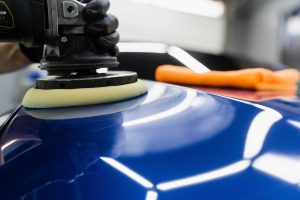 Most paint damage builds up gradually in ways that are easy to overlook until the condition becomes obvious under direct sunlight.
Automatic car washes are one of the most common causes. The brushes and cloth strips used in drive-through washes carry grit and debris from previous vehicles, dragging it across your paint with every cycle. The result is thousands of fine scratches that accumulate over time.
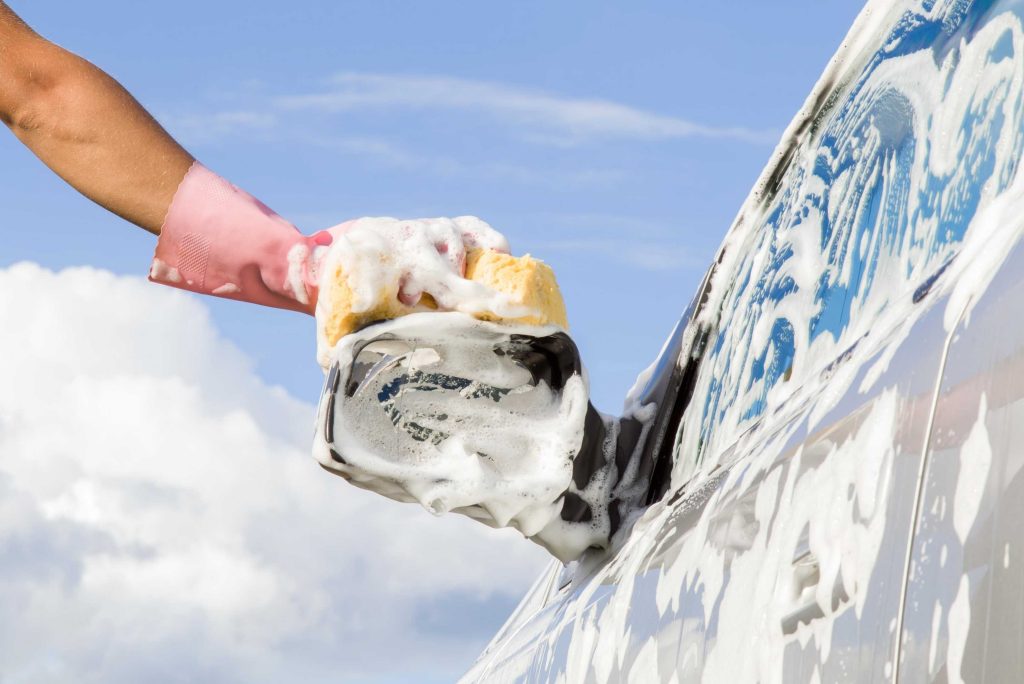
Hand washing causes similar damage when done incorrectly. Using a dirty wash mitt, applying too much pressure, washing with circular motions, or cleaning the car under direct sunlight all create the swirl marks that make paint look dull and hazy in bright light.
Environmental exposure adds another layer of damage. UV radiation gradually breaks down the clear coat, causing oxidation and a chalky, faded appearance. Bird droppings, acid rain, and tree sap chemically etch the surface when left untreated. Road debris creates chips and scratches during everyday driving.
Most vehicles accumulate meaningful paint damage within their first few years of ownership. You may not notice it under overcast skies or in your garage, but under direct sunlight or a bright LED inspection light, the damage becomes clearly visible as a spider web of fine scratches across every painted surface.
The Three Stages of Paint Correction
Single-Stage Correction
Single-stage correction uses one polishing step with a medium-cut compound and finishing polish to address light to moderate imperfections. This works well for newer vehicles or those maintained properly, but beginning to show early wear.
Single-stage correction typically removes 60 to 70 percent of surface defects. The process takes approximately 4 to 8 hours, depending on the vehicle’s size and condition.
Two-Stage Correction
Two-stage correction uses a cutting compound first to remove deeper scratches and heavy oxidation, followed by a finer finishing polish to refine the surface to a high gloss. This approach is the most common choice for vehicles with moderate to significant defect buildup.
Two-stage correction removes approximately 80 to 90 percent of surface defects and typically takes 8 to 16 hours.
Multi-Stage Correction
Multi-stage correction involves three or more polishing steps using progressively finer abrasives. Heavy cutting compounds address severe defects, intermediate polishes refine the surface, and ultra-fine finishing polishes create a mirror-like result. This is what professional show cars and heavily neglected vehicles require.
Multi-stage correction achieves 90 to 95 percent or more defect removal. The process can extend to 20 or more hours across multiple sessions for larger or severely damaged vehicles.
How to Tell If Your Vehicle Needs Paint Correction
You don’t need a professional to do the initial check. Here are three ways to assess your paint at home.
The Sunlight or LED Light Test
Take your vehicle into direct sunlight or hold a bright LED work light close to the surface at a low angle. Look across the panels rather than straight down at them. Swirl marks and fine scratches appear as circular, spider-web-like patterns that are invisible in normal light. If you can see them clearly, your paint has accumulated damage that washing and waxing will not fix.
The Water Beading Test
Healthy, well-protected paint causes water to bead into tight, rounded droplets that roll off easily. Damaged or oxidized paint shows inconsistent beading, with water sheeting off in some areas and flattening out in others. This inconsistency signals that the clear coat has been compromised and is no longer offering uniform protection.
The Touch Test
Run a clean, dry hand gently across a painted panel. The surface should feel smooth and glassy. A rough or gritty texture means contaminants are embedded in the clear coat or the surface itself has degraded. If you feel roughness even after washing, paint correction combined with a clay bar decontamination step is likely needed.
One important note: age alone does not determine whether your vehicle needs correction. A five-year-old car maintained with proper hand washing and regular protection may need minimal work. A one-year-old vehicle taken through an automatic car wash every week could already show significant swirl damage. How you care for the paint matters far more than how old the car is.
What Results Should You Expect?
Professional paint correction delivers a dramatic improvement in clarity, depth, and gloss. Correctly corrected paint reflects light uniformly, making colors look richer, and the surface look deeper. When you compare a corrected panel directly against an untreated one, the difference is immediately apparent.
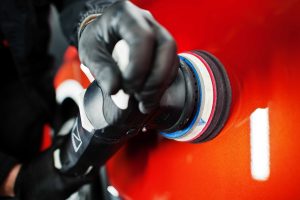
A few factors influence the outcome:
- Paint hardness. European luxury brands like BMW and Mercedes-Benz typically have softer clear coats that correct more easily and show excellent gloss after polishing. American manufacturers like Ford and Chevrolet generally apply harder clear coats that resist minor scratches better, but require more aggressive compounds during correction.
- Clear coat thickness. Manufacturers vary in how thick they apply the clear coat. Thicker applications give more margin for correction without risk of cutting through to the base coat.
- Defect depth. Scratches that stay within the clear coat can be corrected. Scratches that cut through the clear coat into the base coat or primer cannot be removed through polishing. Those require touch-up paint or panel repainting. A professional inspection during the initial assessment will tell you what is and is not correctable.
How Much Does Paint Correction Cost?
Pricing in 2025 varies based on the vehicle’s size, the condition of the paint, the number of correction stages needed, and where you are located.
Here is a realistic breakdown of current pricing:
- Single-stage correction: $300 to $700 for most vehicles. This covers light swirl removal and gloss improvement on newer or well-maintained cars.
- Two-stage correction: $500 to $1,200 depending on vehicle size and defect severity.
- Multi-stage correction: $800 to $2,500 or more for heavily damaged paint, larger vehicles, or show-quality preparation.
These prices reflect the time and skill involved. A full paint correction is not a quick service. Depending on the stage and vehicle size, you should expect 4 to 20-plus hours of hands-on work.
Paint Correction vs. Regular Detailing: What Is the Difference?
Standard detailing maintains your vehicle’s current condition. Paint correction actively improves it. These are different services with different goals.
When a detailer applies wax or sealant, those products fill in fine scratches temporarily and add protection. The scratches are still there underneath. When the wax wears off, the defects return to full visibility. This is useful for maintenance, but it is not the same as correction.
Paint correction physically removes the layer of clear coat where the defects live. The scratches are gone. The surface is genuinely smoother and more reflective. That improvement is permanent, though new damage will accumulate over time without proper care and protection.
The time investment also differs significantly. A standard exterior detail takes 2 to 4 hours. Single-stage correction takes 4 to 8 hours. Multi-stage correction on a larger vehicle can take two full days. That time reflects the precision required to avoid removing too much clear coat while still eliminating defects.
The practical approach most professionals recommend: correction first, then regular detailing and protective products afterward to maintain the restored finish.
What to Do After Paint Correction
Paint correction removes defects, but it does not prevent new ones from forming. Without follow-up protection, the corrected surface will begin accumulating new damage quickly.
Apply a Protective Coating
The most effective way to protect corrected paint is a ceramic coating. Applied right after correction, a ceramic coating bonds to the clean, smooth surface and creates a hard, hydrophobic layer that resists swirl marks, chemical contaminants, UV exposure, and water spotting. A professional ceramic coating lasts 2 to 5 years, depending on the product and how the vehicle is maintained.
Paint protection film (PPF) offers a physical barrier on high-impact areas like the hood, front bumper, and mirrors. It provides the strongest protection available but comes at a higher cost than ceramic coating alone.
Improve Your Washing Habits
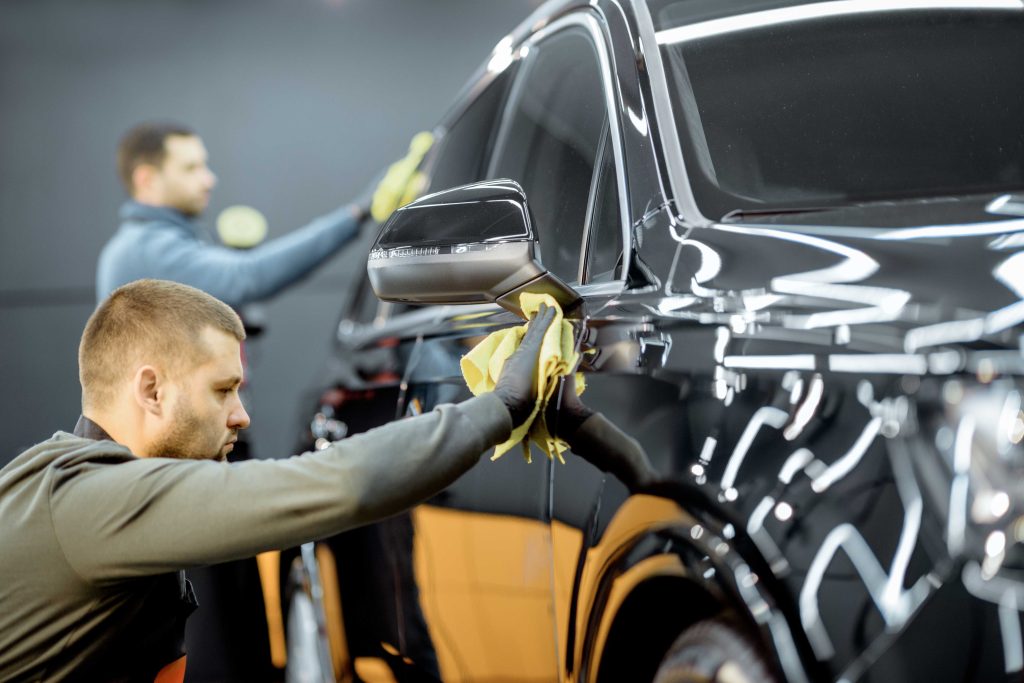
Paint correction resets the surface. Your washing technique determines how long that reset lasts. Switching to the two-bucket hand wash method, using pH-neutral soap, and drying with clean microfiber towels dramatically slows the return of swirl marks. Avoiding automatic car washes entirely after correction protects your investment significantly.
Schedule Regular Detailing
Professional maintenance washes every two weeks, and a fresh layer of spray wax monthly helps preserve the corrected finish between longer professional service intervals.
How Often Should You Schedule Paint Correction?
Most vehicles benefit from professional paint correction every 3 to 5 years. The interval depends on how the vehicle is washed, where it is stored, and whether protective coatings are in place.
Vehicles stored in a garage, hand-washed regularly with proper technique, and kept under a quality sealant or ceramic coating can stretch beyond 5 years between correction sessions. Vehicles parked outside, run through automatic washes, and left without protection may need attention every 2 to 3 years.
Your own visual inspection under direct light is the most reliable guide. When you see the swirl marks returning clearly, it is time to consider correction again.
Ready to Restore Your Paint?
If your vehicle’s finish looks dull, shows swirl marks in the sun, or has never received professional paint correction, the difference a single service makes is significant. Big Easy Mobile Detail brings expert paint correction directly to your driveway throughout the New Orleans area, so you do not have to leave your home or adjust your schedule to get professional results.
Big Easy Mobile Detail serves the New Orleans area with professional paint correction, ceramic coating, and mobile exterior detailing.
Schedule your appointment today and let us restore your vehicle’s finish to its best condition.
Frequently Asked Questions
Are paint correction results permanent?
The correction itself is permanent since the defects are physically removed rather than covered up. However, new swirl marks and damage will build up over time through everyday use. Protective coatings and proper washing habits extend how long the corrected finish stays clean.
Can all scratches be removed?
Scratches that remain within the clear coat layer can be corrected. Deeper scratches that cut through the clear coat into the base coat or primer require touch-up paint or professional repainting. A detailer will assess scratch depth during the inspection stage and give you realistic expectations before starting.
How often should you get paint correction done?
Every 3 to 5 years for most vehicles, though individual usage and maintenance habits have a greater impact on timing than any fixed schedule. A visual inspection in direct sunlight is the most accurate way to determine when correction is needed.
What is the difference between paint correction and ceramic coating?
Paint correction removes existing defects from the paint surface. Ceramic coating protects the corrected surface from future damage. They are complementary services, and most professionals recommend doing the correction first so the coating bonds to a clean, defect-free surface.
Is it safe to DIY paint correction?
Correction is risky without proper training and equipment. Using too much pressure, the wrong pad, or the wrong compound can burn through the clear coat permanently. For any vehicle you want to protect, professional correction is the safer investment.