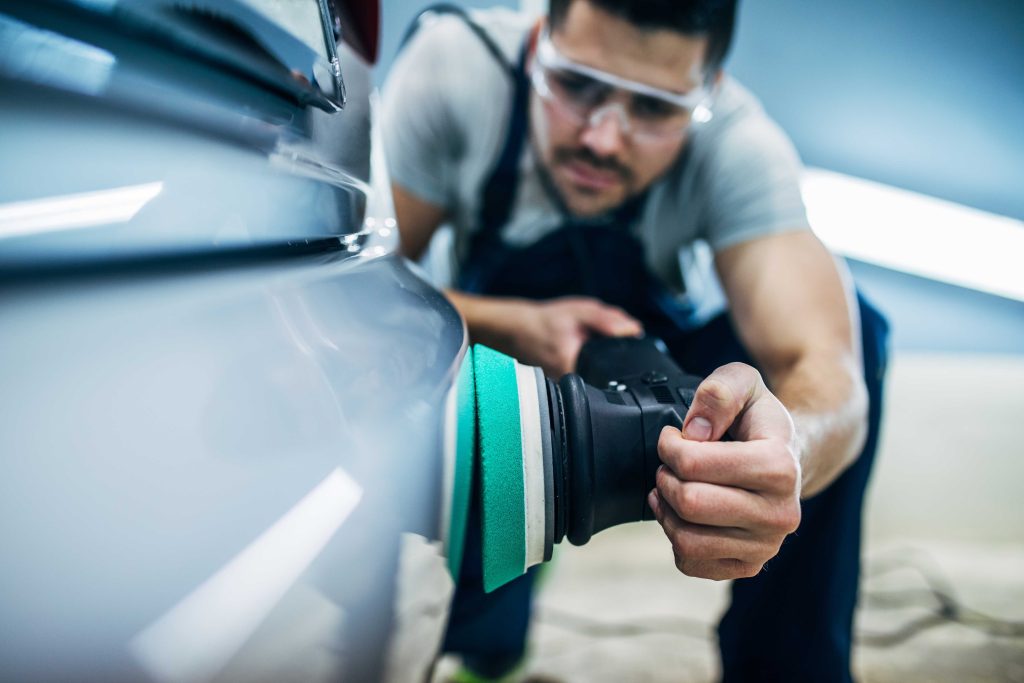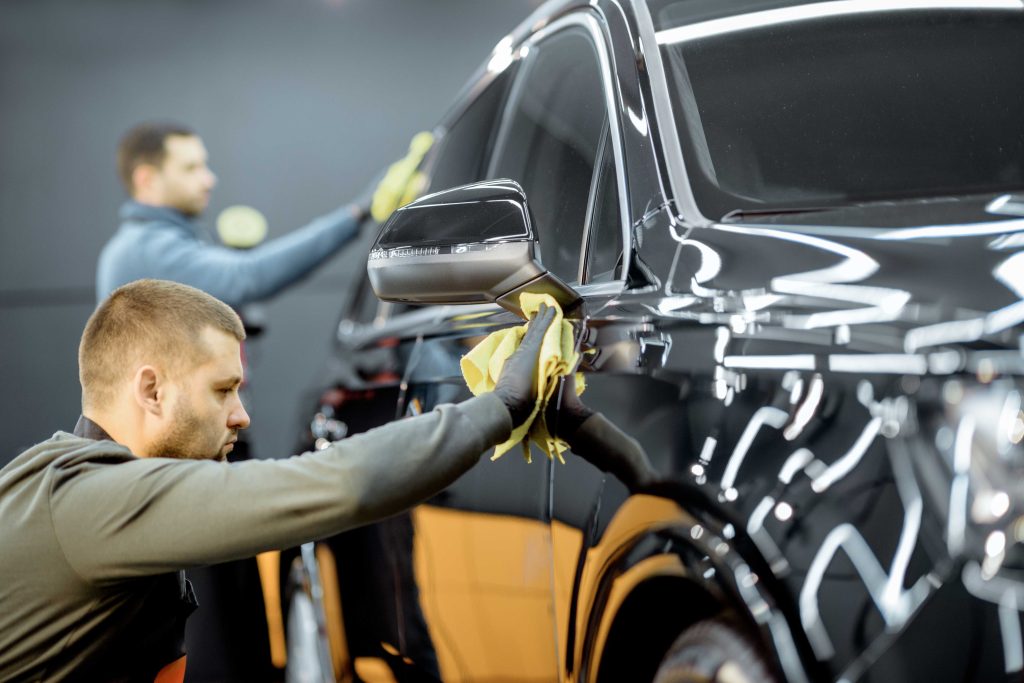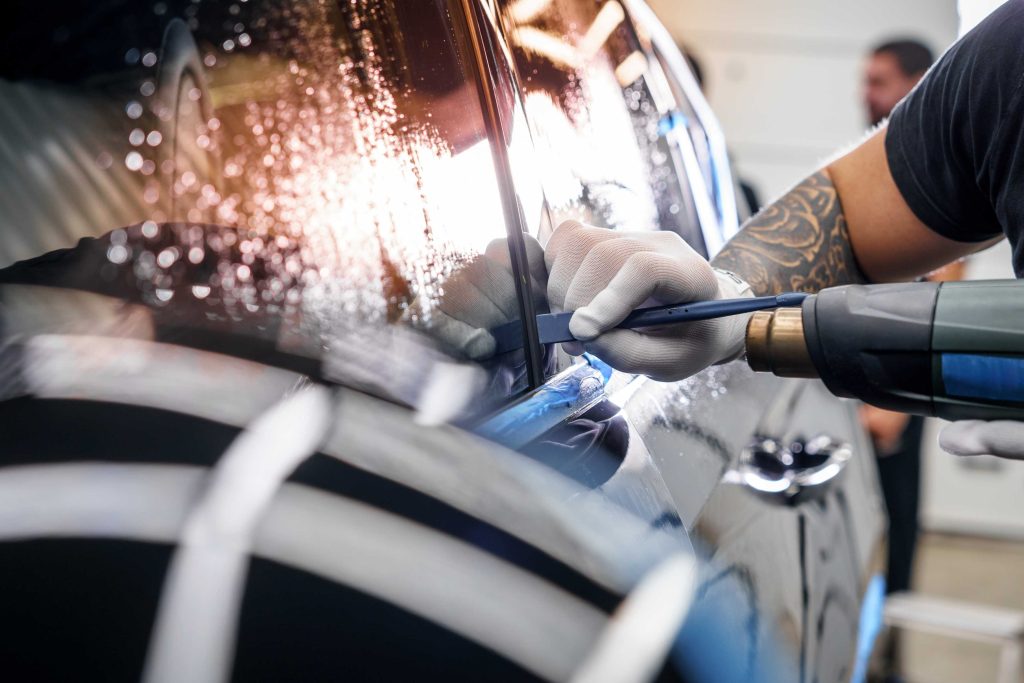
Exterior car detailing is a multi-step process that cleans, restores, and protects your vehicle’s exterior. It goes beyond a standard car wash by removing embedded contaminants, correcting paint imperfections, and applying protective coatings to maintain your car’s appearance and value.
Your vehicle’s exterior is constantly exposed to sunlight, dirt, road debris, and environmental pollutants. Over time, these elements cause swirl marks, oxidation, and fading that reduce both appearance and resale value.
While regular washing helps maintain cleanliness, it doesn’t address deeper issues like bonded contaminants or paint defects. That’s where professional exterior detailing comes in. With the right process and products, you can restore clarity, enhance gloss, and protect your vehicle for years.
Want your car to look showroom-new again? Book a professional exterior detailing service today and protect your vehicle’s paint for the long run.
Key Takeaways
- Exterior detailing includes washing, decontamination, paint correction, and protection
- Paint correction can remove 60–90% of visible imperfections
- Clay bar treatment removes contaminants that washing cannot
- Ceramic coatings last 2–5 years, while wax lasts only 2–3 months
- Regular detailing helps prevent oxidation and clear coat failure
- Professional detailing typically costs $150 to $800+
What Makes Exterior Detailing Different From Regular Car Washing?
At a glance, a car wash and detailing may seem similar—but the results are completely different. A standard car wash removes loose dirt using soap and water. While this keeps your vehicle clean, it doesn’t remove contaminants that bond to the paint, such as brake dust, industrial fallout, tree sap, or mineral deposits.
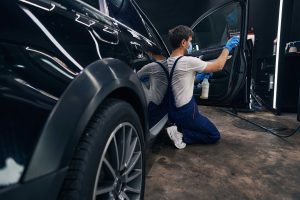 Exterior detailing, on the other hand, is a structured process designed to treat your vehicle’s paint at a deeper level.
It includes:
- Deep cleaning to safely remove dirt
- Chemical and mechanical decontamination
- Paint correction to remove imperfections
- Application of protective coatings
This approach not only improves appearance but also helps prevent long-term damage. When properly detailed, your vehicle will have a smoother finish, deeper color, and a reflective shine that regular washing simply cannot achieve.
How the Multi-Stage Wash Process Works
A proper wash is the foundation of exterior detailing. Poor washing techniques can actually cause scratches and swirl marks.
Professional detailers follow a safe and controlled process:
Pre-Wash Stage
A foam or pre-cleaner is applied to loosen dirt and grime before any physical contact is made. This reduces the risk of scratching during washing.
Two-Bucket Method
Detailers use one bucket for soapy water and another for rinsing the wash mitt. This prevents dirt from being reintroduced to the paint.
Gentle Contact Wash
Microfiber wash mitts are used to lift dirt safely. The vehicle is washed from top to bottom to avoid spreading contaminants.
Wheels and Tires Cleaning
Separate tools and stronger cleaners are used for wheels to remove brake dust and road grime.
Drying Process
High-quality microfiber towels or air blowers are used to dry the vehicle, preventing water spots and streaking. Some professionals also use filtered or deionized water to avoid mineral deposits.
This careful process ensures your paint remains clean without introducing new damage.
What Happens During Paint Decontamination?
Even after washing, your paint may still feel rough. This is due to contaminants embedded in the clear coat.
Decontamination removes these particles and prepares the surface for polishing.
Clay Bar Treatment
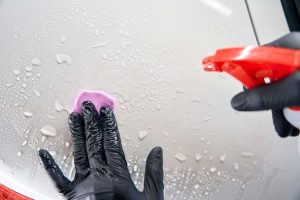 A clay bar is gently rubbed across the paint using a lubricant.
It pulls out contaminants such as
- Brake dust
- Industrial fallout
- Overspray
- Tree sap residue
Chemical Decontamination
Modern detailing also uses specialized chemicals:
- Iron removers dissolve metal particles
- Tar removers break down sticky substances
After decontamination, the paint becomes smooth and clean, allowing polishing and protection products to bond properly.
Why Paint Correction Is Essential
Over time, your vehicle develops swirl marks, fine scratches, and oxidation. These imperfections scatter light, making the paint look dull.
Paint correction removes these defects by leveling the clear coat.
How It Works
- Compounding: Removes deeper scratches and oxidation
- Polishing: Refines the surface and removes haze
- Finishing: Enhances gloss and clarity
This process can dramatically improve your vehicle’s appearance, often restoring a near-new finish.
Important Considerations
- Not all scratches can be removed (deep ones may require repainting)
- Over-polishing can damage the clear coat
- Professionals use tools and measurements to ensure safe correction
When done properly, paint correction is one of the most impactful steps in detailing.
Best Protection Options for Long-Term Results
Once your paint is corrected, protecting it is critical. Without protection, contaminants and UV rays can quickly damage the surface again.
Protection Comparison
| Protection Type | Durability | Benefits |
|---|---|---|
| Wax | 2–3 months | Enhances shine, affordable |
| Sealant | 4–6 months | Better durability than wax |
| Ceramic Coating | 2–5 years | Long-lasting, strong protection |
| Paint Protection Film | 5–10 years | Shields against chips and scratches |
What to Choose
- Choose wax for short-term shine
- Choose a sealant for moderate durability
- Choose ceramic coating for long-term protection and easier maintenance
- Choose paint protection film (PPF) for high-impact areas
Many vehicle owners combine ceramic coatings with PPF for maximum protection.
How Often Should You Detail Your Vehicle?
The right schedule depends on your driving habits and environment.
Recommended Frequency
- Every 3–4 months: Daily-driven vehicles parked outdoors
- Every 6–8 months: Garage-kept vehicles
- Every 2–3 weeks: Maintenance washes
Environmental Factors
You may need more frequent detailing if your vehicle is exposed to:
- Strong sunlight and heat
- Coastal salt air
- Tree sap and pollen
- Industrial fallout
Regular detailing prevents buildup that can permanently damage your paint.
What to Expect From Professional Detailing Services
Hiring a professional detailer ensures proper techniques, tools, and results.
Typical Process
- Vehicle inspection and condition assessment
- Safe washing and decontamination
- Paint correction (if needed)
- Application of protective coatings
Time and Pricing
- Basic detailing: 3–4 hours
- Full detailing: 4–8 hours
- Advanced correction/coating: 8–12 hours
Pricing typically ranges from:
- $150–$250 for basic services
- $500–$800+ for full correction and coatings
Costs vary based on vehicle size, condition, and service level.
How Paint Types Affect the Detailing Process
Not all paint systems are the same, and each requires a slightly different approach.
Soft Paint (Common in European Vehicles)
- Easier to correct
- More prone to scratches
- Requires gentler polishing
Hard Paint (Common in Japanese Vehicles)
- More resistant to scratches
- Requires stronger compounds for correction
- Takes longer to polish
Specialty Finishes
- Matte paint: Cannot be polished; requires special care
- Wraps and films: Need specific cleaning products
- Single-stage paint: Requires careful correction to avoid damage
Understanding paint type ensures safe and effective detailing.
Common Exterior Detailing Mistakes to Avoid
Mistakes during detailing can cause permanent damage.
Avoid the following:
- Washing in direct sunlight
- Using dish soap or harsh cleaners
- Skipping decontamination before waxing
- Using dirty towels or tools
- Applying too much pressure when polishing
- Using circular wiping motions that cause swirl marks
Using proper techniques helps maintain your vehicle’s finish between professional services.
How Exterior Detailing Protects Your Vehicle’s Value
Maintaining your vehicle’s exterior directly impacts its resale value.
Key Benefits
- Better first impression for buyers
- Protection against costly paint damage
- Higher resale value (often 10–20% more)
- Reduced risk of clear coat failure
- Lower lease return penalties
A well-maintained exterior signals that the vehicle has been properly cared for overall.
Why Professional Detailing Is Worth It
While DIY detailing is possible, professional services offer clear advantages:
- Access to commercial-grade products
- Proper tools and equipment
- Experience with different paint types
- Reduced risk of damage
- Higher-quality, longer-lasting results
Professionals also know how to safely correct defects without compromising your paint.
Conclusion
Exterior detailing is more than just improving how your car looks—it’s about protecting one of your most valuable assets. Through proper washing, decontamination, paint correction, and protection, you can extend the life of your vehicle’s paint and maintain its value over time.
If you want your vehicle to stay in top condition, regular professional detailing is one of the best investments you can make. Ready to bring back your vehicle’s shine? Contact our team at Big Easy Mobile Detail today and let professionals restore and protect your car wherever you are.
Frequently Asked Questions
How long does professional exterior detailing take to complete?
Most exterior detailing jobs take 4–8 hours, depending on vehicle size and condition. Basic packages covering a wash, decontamination, and sealant typically finish in 3–4 hours, while full paint correction with ceramic coating can run 8–12 hours for heavily neglected vehicles.
Can detailing remove all scratches from car paint?
Detailing can remove or reduce scratches limited to the clear coat layer — roughly 60–90% of common surface defects. A paint depth gauge is used beforehand to determine what’s safely correctable. Scratches that reach the base coat or primer cannot be polished out and will need touch-up paint or a repaint.
What is the difference between ceramic coating and traditional wax?
Ceramic coatings chemically bond to the clear coat and last 2–5 years, offering strong UV, chemical, and water resistance. Traditional wax sits on the surface, lasts 2–3 months, and is easier to apply at home. Wax produces a warm, classic gloss while ceramic delivers harder, longer-lasting protection with superior water-beading.
How much does professional exterior detailing typically cost?
Basic packages run $150–$250, while full paint correction with ceramic coating ranges from $500–$800 or more. Final pricing depends on vehicle size, paint condition, services included, and your local market. Larger vehicles and heavily neglected paint fall on the higher end.
Is exterior detailing necessary for new vehicles?
Yes. New vehicles often arrive with swirl marks and contamination from transport and dealer washing. Getting a new car detailed and coated right away protects the factory finish before damage builds up — making it one of the most cost-effective investments you can make early in ownership.
What maintenance is required after ceramic coating application?
Wash every 2–3 weeks using a pH-neutral shampoo and clean microfiber mitts. Avoid automatic car washes with harsh chemicals or abrasive brushes. An annual inspection is recommended, and a booster product can be applied periodically to refresh hydrophobic performance and extend the coating’s lifespan.
Can exterior detailing fix oxidized or faded paint?
Yes, if the clear coat is still intact. Mild to moderate oxidation responds well to machine compounding and polishing, restoring gloss and color depth. Once the clear coat has failed — peeling or flaking — repainting is the only fix. Catching oxidation early and applying UV protection prevents it from reaching that point.
How does paint protection film differ from ceramic coating?
PPF is a physical urethane layer applied to high-impact areas to absorb rock chips and scratches. Ceramic coating is a chemical treatment bonded across the entire painted surface for UV and chemical resistance. They serve different purposes and work well together — PPF handles impact on vulnerable zones while ceramic coating covers the rest.
What causes swirl marks, and how are they prevented?
Swirl marks come from improper washing — dirty mitts, rough towels, or scrubbing in circular motions. Prevent them by using clean microfiber materials, following a two-bucket wash method, and wiping in straight linear strokes. Avoiding drive-through automatic car washes is one of the most effective steps you can take.
Does the weather affect when vehicles should be detailed?
Yes. Ceramic coatings and paint correction work best in mild temperatures — extreme heat causes products to cure too fast, while cold can compromise adhesion. Spring detailing clears winter salt and preps for UV exposure; fall detailing builds protection before harsh winter conditions. Coating applications should always be done indoors or in shade when possible.