Headlight restoration works for the vast majority of cloudy, yellowed lenses and costs $75 to $150 per pair, while full replacement runs $400 to $2,000 or more. The right choice depends on whether the damage is on the surface or deeper inside the assembly. This guide walks you through how to tell the difference and make the smartest decision for your vehicle and your wallet.
The Core Difference Between Restoration and Replacement
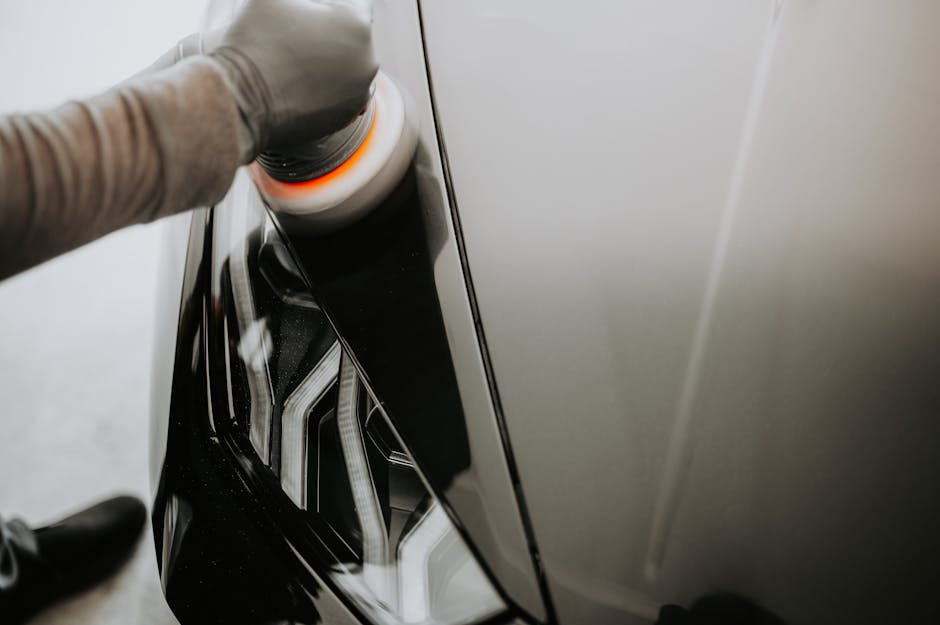
Restoration is a resurfacing process. A technician wet-sands the outer lens to remove oxidized, UV-damaged plastic, then polishes it smooth and applies a protective sealant. The result is a lens that looks close to new. Professional restoration recovers 90 to 95 percent of the original clarity in most cases.
Replacement means removing the entire headlight assembly and installing a brand-new unit. It is a bigger job, a bigger expense, and sometimes the only real fix. But far more often than people realize, restoration is all that is needed. At Big Easy Mobile Detail, most of the cloudy headlights we see are surface oxidation cases that respond beautifully to professional restoration.
When Restoration Is the Right Call
Surface oxidation is the number one cause of cloudy headlights. UV rays break down the clear coat on the polycarbonate lens over time, and the plastic underneath turns yellow, hazy, or milky. This happens on the outside of the lens, which means it can be sanded, polished, and resealed without touching the internal components.
Restoration is the right choice when your headlights show any of the following signs:
- Yellowing or haziness that you can feel as a rough texture on the outer surface
- Light fogging that has developed gradually over months or years
- Minor surface scratches from road debris or automatic car washes
- Uneven discoloration caused by sun exposure on one side of the vehicle
If you run your finger across the lens and feel roughness, that is oxidation sitting on the surface. A professional can remove it. For a closer look at how the process works and how long results hold up, check out our article on how long headlight restoration lasts.
When Replacement Is Necessary
Replacement becomes the better option when the damage goes beyond the outer surface. There are three main situations where restoration will not solve the problem.
Deep cracks in the lens. If the polycarbonate is cracked through, no amount of sanding will repair the structural damage. Cracks also allow moisture and debris to enter the assembly, which creates further problems over time.
Seal failure and internal moisture. When the seal between the lens and the housing breaks down, condensation forms inside the headlight. You will notice water droplets or a foggy appearance that does not improve when you wipe the outside. Since the moisture is trapped inside, external restoration cannot reach it.
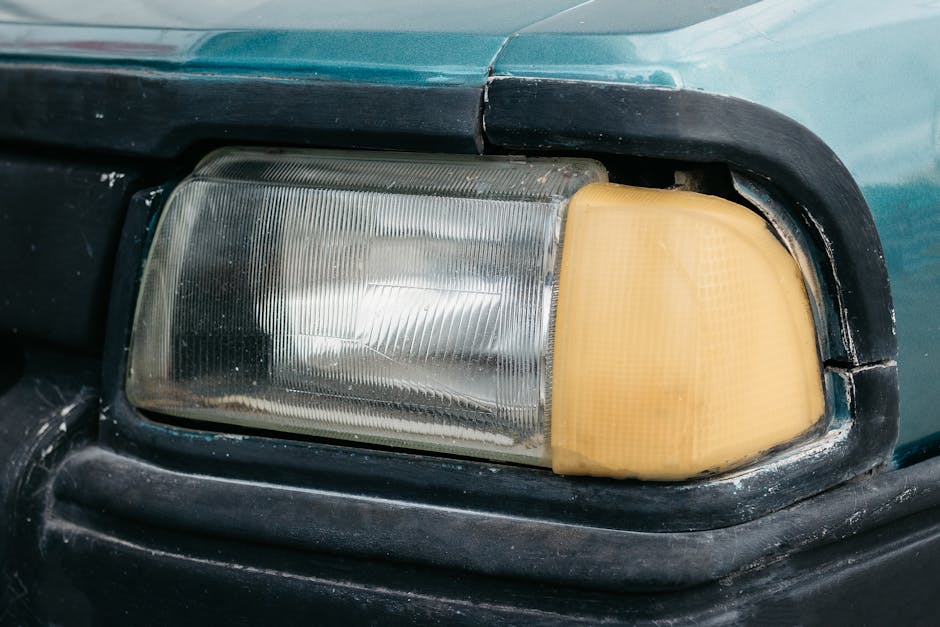
Structural or housing damage. Accident impact, heat warping, or a crumbling reflector inside the assembly all point to replacement. If the housing is cracked or the internal reflective surface has deteriorated, a new assembly is the only path to safe, functional headlights.
Comparing the Costs Side by Side
The financial gap between these two options is significant. Professional headlight restoration runs $75 to $150 per pair for standard vehicles, with heavily oxidized lenses occasionally reaching $200 or more. Full replacement, on the other hand, costs $400 to $2,000 or more per pair for OEM assemblies. Luxury vehicles with adaptive LED, matrix, or laser headlight systems can push replacement costs even higher. Installation labor adds another $100 to $300 on top of the parts.
When restoration can solve the problem, it saves you hundreds or even thousands of dollars. That freed-up budget can go toward other vehicle care, like ceramic coating to protect your paint or paint correction to address swirl marks and oxidation on body panels.
The DIY Factor and Why It Complicates the Decision
Some drivers try DIY restoration kits before deciding between professional restoration and replacement. These kits cost $20 to $30 and include basic sandpaper and polishing compound. They can produce a short-term improvement, but the results typically fade within about a year because the kits lack durable UV-protective coatings.
Here is where it gets tricky. A driver uses a cheap kit, sees the haze return quickly, and concludes that “restoration does not work.” They then assume replacement is the only option. In reality, the DIY result is not representative of what a professional restoration delivers. Professional work uses finer sanding progressions, machine polishing, and high-grade UV sealants or ceramic coatings that hold up for one to three years.
Repeated cheap DIY attempts can actually cost more over time than a single professional restoration. If you are spending $25 every few months to re-do the job yourself, the annual cost adds up fast. One professional service paying for itself over two to three years is the more economical path.
How to Inspect Your Headlights Before Deciding
You can do a simple check at home to help determine which route makes sense for your vehicle.
Start by washing the headlight with soap and water, then drying it completely. Look at the lens from several angles. If the cloudiness is on the outside surface and you can feel texture or roughness, that points to surface oxidation. Restoration will handle it.
Next, look for moisture inside the assembly. If you see water droplets, streaks, or fogging behind the lens that does not change when you clean the outside, the seal has likely failed. That calls for replacement.
Finally, check for cracks. Run your fingers along the lens and look closely under bright light. Hairline cracks can be hard to spot, but they compromise the integrity of the assembly and allow contaminants inside. If cracks are present, replacement is the safer choice.
For vehicles that spend a lot of time outdoors, headlight wear often correlates with paint and exterior wear. If your vehicle’s finish is also showing signs of UV damage, our guide on how to maintain car exterior details covers practical steps to slow that process down.
Matching the Solution to Your Vehicle Type
Different vehicles present different considerations. Older sedans and economy cars with simple halogen headlights are almost always candidates for restoration because the assemblies are straightforward and the damage is usually surface-level. Trucks and SUVs that see heavy road use may have more pitting from debris, but restoration still works well in most cases.
Luxury and performance vehicles with advanced lighting systems require more careful evaluation. If the headlight assembly includes adaptive components, LED arrays, or integrated sensors, replacement costs climb steeply and the stakes for getting the decision right are higher. For a broader look at how detailing approaches vary across vehicle categories, our post on exterior detailing for different vehicle types is a useful resource.
The Bottom Line on Making Your Choice
If your headlights are cloudy, yellow, or hazy on the outside surface, professional restoration is almost certainly the right move. It recovers 90 to 95 percent of original clarity at a fraction of the replacement price. Reserve replacement for situations involving cracks, internal moisture, or structural damage to the housing.
Not sure which category your headlights fall into? A professional assessment takes the guesswork out of it. Visit our headlight restoration service page to see what we offer, or check out our thoughts on whether mobile exterior detailing is worth it if convenience matters to you. You can reach us through our contact page or call (504) 399-1448 to schedule a visit.
Frequently Asked Questions
Is headlight restoration as effective as buying new headlights?
Professional restoration recovers 90 to 95 percent of original clarity for headlights with surface oxidation. For the vast majority of cloudy headlights, restoration delivers results that are visually comparable to new lenses at a fraction of the cost.
How do I know if my headlights need replacement instead of restoration?
Replacement is needed when the lens has deep cracks, the internal seal has failed and moisture is trapped inside, or the housing is structurally damaged. If the cloudiness is on the outer surface and you can feel roughness when you touch the lens, restoration will likely solve the problem.
How much more does headlight replacement cost compared to restoration?
Restoration costs $75 to $150 per pair, while replacement runs $400 to $2,000 or more per pair for OEM assemblies plus installation labor. The difference is especially dramatic on luxury vehicles with advanced lighting technology.
Will a DIY restoration kit give me the same results as a professional?
DIY kits produce a noticeable short-term improvement, but results typically fade within about a year due to the lack of durable UV protection. Professional restoration uses higher-grade materials and techniques that maintain clarity for one to three years.
Can I restore headlights that have moisture inside them?
No, internal moisture indicates a seal failure between the lens and the housing. Restoration only addresses the outer surface of the lens, so it cannot remove or prevent moisture that has entered the sealed assembly. Replacement is the correct fix for this issue.
How often will I need to restore my headlights again after professional service?
Professional restoration with a quality UV sealant or ceramic topcoat typically lasts one to three years, depending on your climate and sun exposure. Vehicles parked in shade and maintained with periodic UV protectant applications will see results on the longer end of that range.