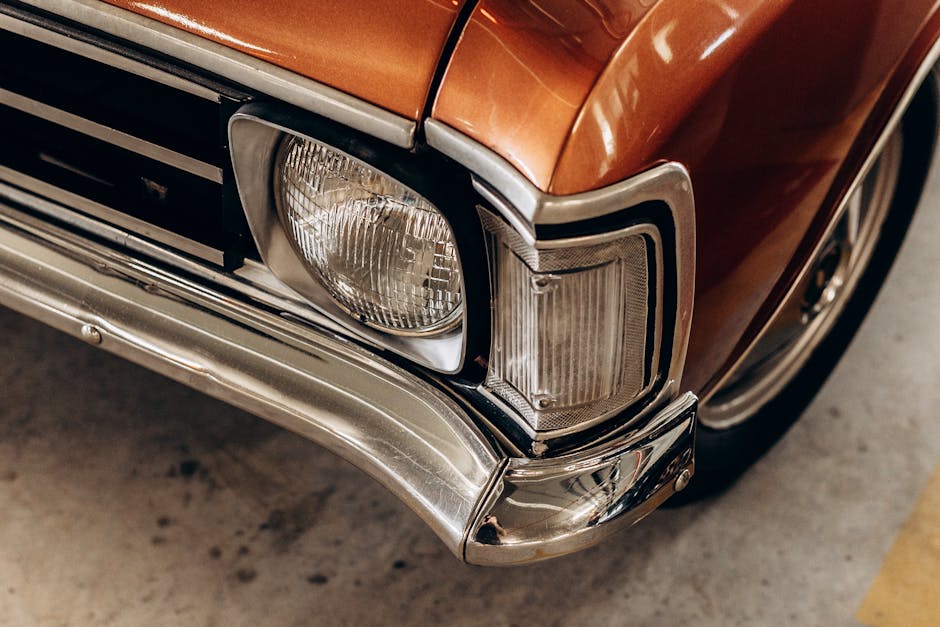
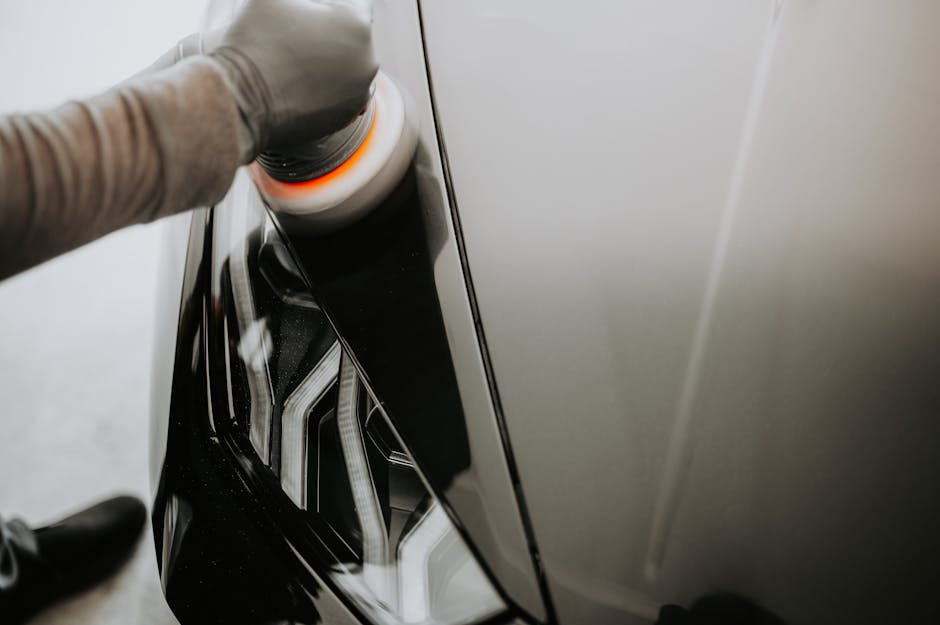
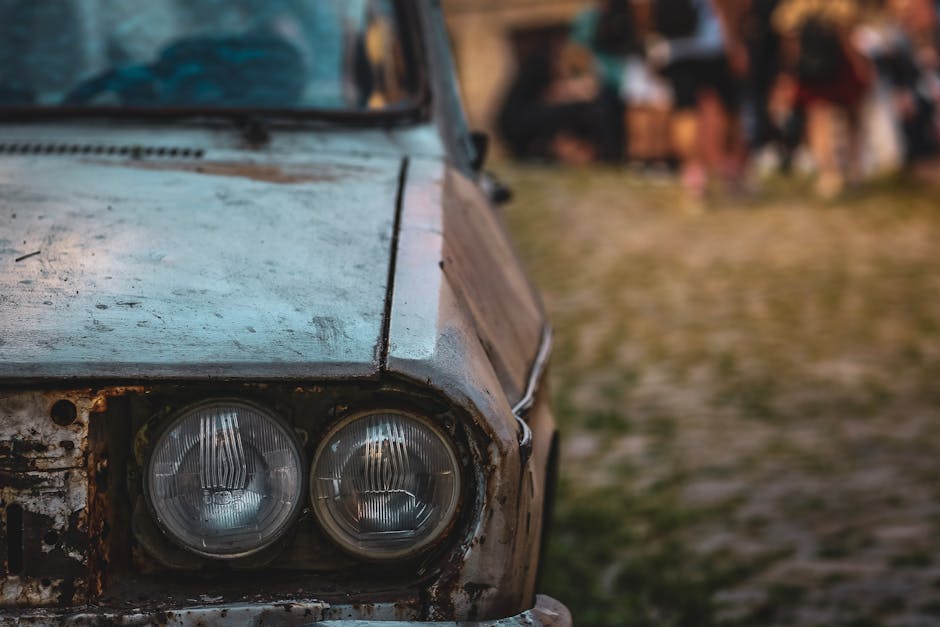
The clearest signs headlights need restoration include visible yellowing, a milky haze you can see from a distance, and noticeably reduced brightness at night. If one headlight looks significantly dimmer or more scattered than the other, professional restoration can bring both lenses back to full clarity.
Your headlights do more than light the road. They are a critical safety feature, and when they start to degrade, the impact on visibility can be dramatic. Studies show that clouded headlights can generate as little as 20% of the light that new headlights produce. That means four out of every five lumens never reach the road. The problem develops gradually, so many drivers do not realize how much light they have lost until they compare their lenses to a new vehicle or have a close call on a dark stretch of highway.
At Big Easy Mobile Detail, we restore headlights across the Greater New Orleans area and help drivers recognize when it is time for professional attention. Below, we will walk through the specific warning signs to watch for, explain what causes each one, and cover why Gulf Coast conditions tend to speed up the damage.
Yellowing, Haze, or a Milky Appearance
The most recognizable sign of headlight degradation is a yellow or milky haze across the lens surface. This discoloration is caused by oxidation, a chemical reaction between the polycarbonate plastic and ultraviolet light. The factory-applied UV clear coat breaks down over time, leaving the raw plastic exposed to the elements. Once that happens, the lens slowly turns from crystal clear to amber, cloudy, or white.
Run your fingertip across the lens. If the surface feels rough, gritty, or textured instead of smooth, the oxidation has progressed beyond a simple surface issue. At this stage, no amount of household cleaning will bring back clarity. The damaged layer needs to be removed through professional headlight restoration, which strips the oxidized plastic and applies a fresh protective coating. For more on how the process works and how long results typically hold up, see our post on how long headlight restoration lasts.
One Headlight Looks Different From the Other
Sometimes the clearest sign of a problem is asymmetry. Stand in front of your vehicle with both headlights on and compare them. Does one side look noticeably dimmer, yellower, or more scattered than the other? Uneven degradation is common because one side of the car often gets more direct sun exposure depending on where you park, the direction your driveway faces, or your daily commute route.
Mismatched headlights are more than a cosmetic issue. Uneven light output creates blind spots on one side of the road, which can be dangerous during nighttime driving or in heavy rain. If you notice this kind of imbalance, it is a strong indicator that at least one lens, and usually both, would benefit from restoration. While you are addressing the headlights, it is also a good time to evaluate the rest of your vehicle’s exterior. Our guide on whether exterior detailing removes scratches covers what professional care can do for your paint and clear coat.
Reduced Nighttime Visibility
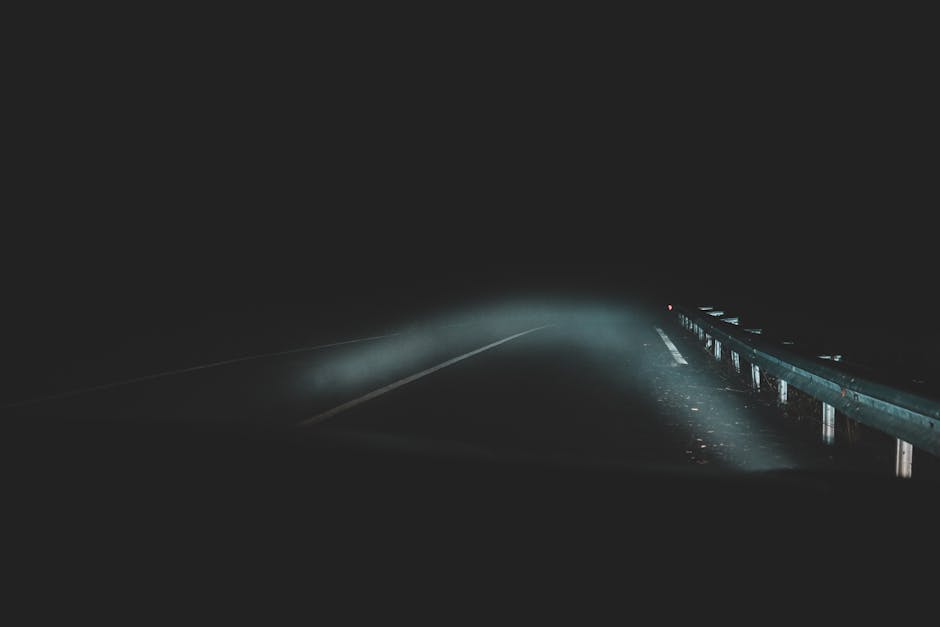
This is the sign that concerns us most from a safety perspective. If you find yourself struggling to see the road clearly at night, leaning forward, squinting, or relying more on high beams in areas where you never needed them before, your headlights are likely the problem. Foggy headlights can cut visibility by up to 50%, which dramatically reduces your reaction time to obstacles, pedestrians, or sudden road changes.
The reduction happens so slowly that many drivers adapt without realizing it. They compensate by driving slower, staying in well-lit areas, or avoiding certain routes at night. If any of that sounds familiar, do not wait to address it. Reduced headlight output is a genuine safety concern, especially in poorly lit areas or during adverse weather conditions like the heavy downpours common across South Louisiana.
Internal Moisture or Condensation
If you notice water droplets, fog, or condensation forming on the inside of your headlight lens, that points to a different kind of problem. Internal moisture typically means a tiny crack in the housing, a worn gasket, or a deteriorated seal that is letting humid air enter the enclosure. Once moisture gets inside, it creates a foggy film that no amount of exterior restoration can fix.
This is an important distinction. If the fogging is only on the outside surface, restoration will solve it. But if moisture is present inside the housing, the seal or housing issue needs to be addressed first. Otherwise, the condensation will return even after the exterior lens is polished. During a professional inspection, a detailer can help determine whether the problem is external oxidation, internal moisture, or a combination of both.
Scratches, Pitting, and Surface Damage
Road debris, gravel, sand, and even automatic car washes can leave fine scratches and pitting across your headlight lenses over time. Individually, these marks are small. Collectively, they scatter the light beam, reducing focus and creating a diffused, washed-out pattern instead of a sharp, directed beam. If your headlights seem to glow rather than project a clear path forward, surface damage is likely a contributing factor.
Professional restoration addresses this by carefully leveling the surface to remove scratches and pitting before polishing the lens back to optical clarity. The same attention to surface imperfections applies to your vehicle’s paintwork. If you are curious about how detailing handles paint damage, our article on paint correction and when you need it explains the process and what to expect.
Why Gulf Coast Drivers See Faster Headlight Degradation
If you live in the New Orleans metro area or anywhere along the Gulf Coast, your headlights face a more aggressive environment than vehicles in cooler, drier climates. The combination of intense year-round UV radiation, high humidity, and salt air from the Gulf of Mexico accelerates oxidation significantly. Lenses that might stay clear for five or six years in a northern climate can start showing yellowing and haze in half that time here.
This is why staying ahead of the problem matters so much for Louisiana drivers. Do not wait until your headlights are severely fogged to take action. Address the signs early, and restoration is quicker, more affordable, and more effective. Keeping your entire vehicle protected from these same environmental factors is equally important, which is why regular exterior detailing plays such a key role in long-term vehicle care. Our post on whether mobile exterior detailing is worth it covers the practical benefits.
What to Do When You Spot the Signs
If you have noticed any of the warning signs described above, the best course of action is to have your headlights professionally assessed. A trained detailer can evaluate the oxidation severity, check for internal moisture, and recommend the right service. In most cases, a full restoration takes well under an hour per lens and produces results you can see immediately.
For a better understanding of what a full exterior service involves and how long the process takes, read our guide on how long exterior detailing takes. And if you are ready to schedule headlight restoration or have questions about what your vehicle needs, visit our contact page or call (504) 399-1448. We bring the service to your home or workplace across the Greater New Orleans area, so there is no trip to a shop required.
Frequently Asked Questions
How can I tell if my headlight fogging is on the inside or outside?
Wipe the exterior of the lens with a clean, damp cloth. If the haze disappears or changes, it is on the outside and can be fixed with restoration. If the fogging remains unchanged after wiping, moisture has entered the housing through a crack or worn seal, and the housing issue needs to be addressed separately.
Can I fix yellowed headlights with a DIY kit?
DIY kits can provide a temporary improvement for mild yellowing, but results typically fade within a few months because most kits lack a durable UV sealant. Professional restoration removes more of the damaged layer and applies longer-lasting protection, giving you results that hold up for 12 months or more with proper maintenance.
Are foggy headlights a safety hazard?
Yes. Foggy headlights can cut your forward visibility by up to 50%, and severely clouded lenses may produce only 20% of the light output of new headlights. This significantly reduces your ability to see obstacles, pedestrians, and road conditions at night or during storms.
How quickly do headlights degrade in the Gulf Coast climate?
Gulf Coast conditions, including high UV, humidity, and salt air, can cause noticeable yellowing and haze in as little as two to three years. Vehicles parked outdoors without UV protection tend to show signs of degradation even faster compared to those kept in a garage.
Does headlight restoration improve my vehicle’s appearance overall?
Absolutely. Clear headlights make a vehicle look newer and better maintained, which also contributes to resale value. Pairing headlight restoration with a full exterior detail gives the most dramatic visual improvement.
How often should headlights be professionally restored?
For most vehicles, professional restoration every one to two years is a reasonable schedule. In high-UV areas like South Louisiana, leaning toward annual restoration with periodic sealant reapplication in between provides the best combination of clarity and safety.