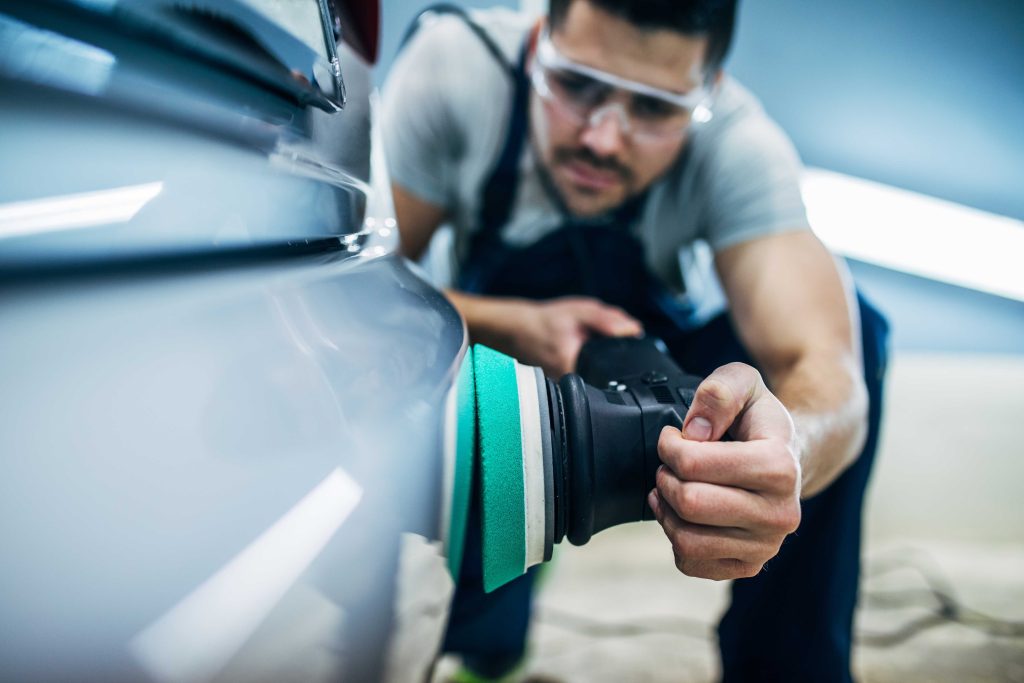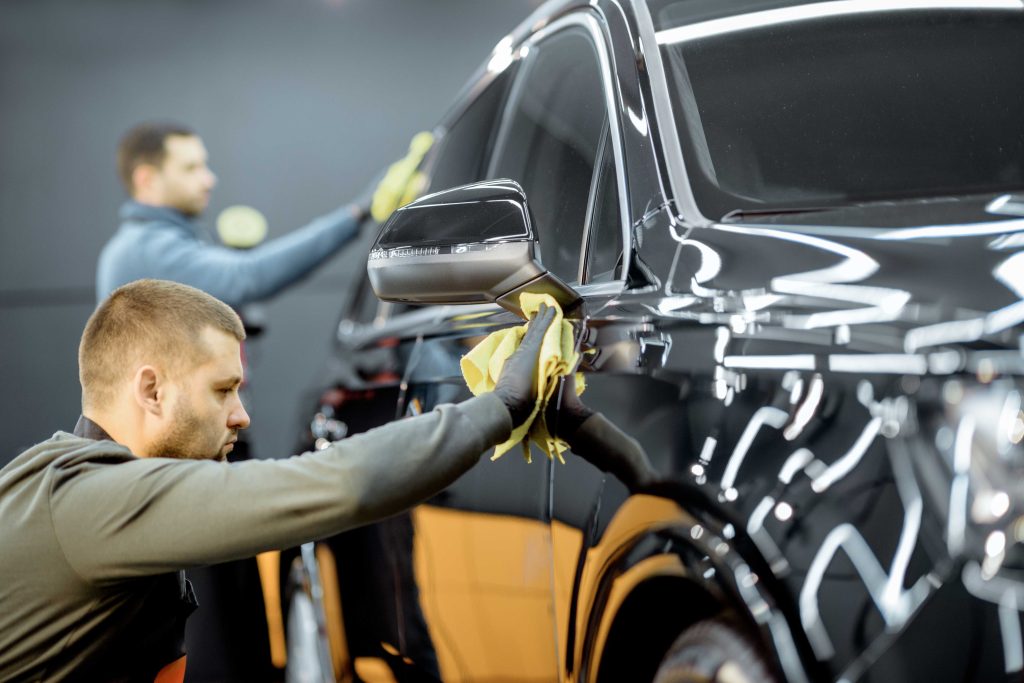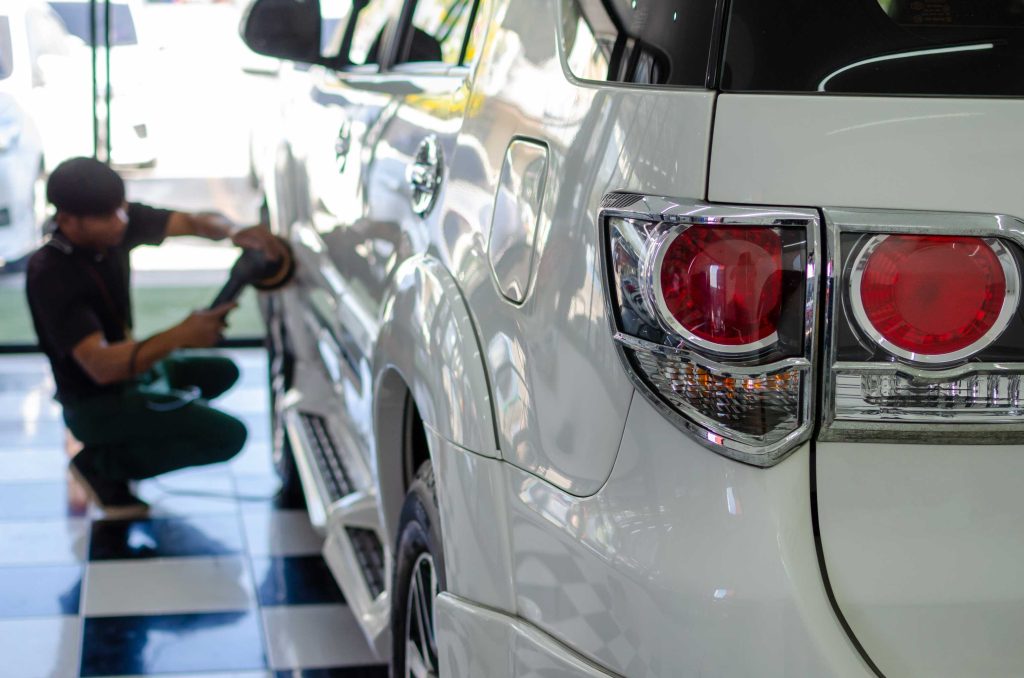
Different vehicle types demand tailored exterior detailing: sedans are straightforward due to their size; SUVs/trucks require extra focus on wheel wells and elevated panels; sports cars need careful handling of low-clearance parts and brake dust; luxury vehicles call for premium products on advanced paints and trim; and EVs require attention to charging ports. Professional detailers adapt techniques, products, and time accordingly.
A common mistake people make is assuming all cars get detailed the same way. They don’t.
A pickup truck used for work has very different needs from a sports car kept in a garage on weekends. The paint systems are different. The surfaces are different. The contaminants they collect are different. Even the tools a detailer needs to reach certain areas change depending on how tall or wide the vehicle is.
Professional detailers don’t apply a single method to every car. They evaluate the vehicle type, its paint and trim materials, how the owner uses it, and what condition it’s in. That evaluation shapes everything from the products they choose to how long the job takes.
Here’s a look at what proper detailing looks like for each major vehicle category.
Sedan Detailing
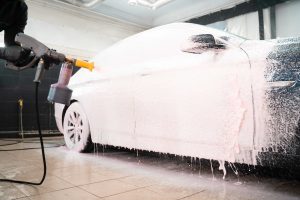 Sedans are generally the most approachable vehicle type for exterior detailing. Their moderate size, standard paint systems, and accessible surfaces make them efficient to work on compared to larger vehicles.
Most mid-size sedans like the Honda Accord, Toyota Camry, and BMW 3 Series fall between 170 and 196 inches in length. That gives a detailer a manageable surface area without the extra time demands of an SUV or full-size truck. The lower roof height also makes reaching the top panels easy without ladders or step stools.
Where Sedans Need Extra Attention
Even though sedans are straightforward overall, a few areas need careful focus:
- Dark colors. Black, navy, charcoal, and deep gray paint show swirl marks and fine scratches more clearly than lighter shades. If you drive a dark-colored sedan, paint correction and a quality sealant are especially worth investing in.
- Body lines and creases. Modern sedans often feature sharp character lines across their doors and fenders. Water and product residue can collect in those creases during washing and drying, leading to water spots if not addressed carefully.
- Rear bumper and trunk area. The lower rear end of a sedan takes more road debris than most other panels. This area often needs extra attention during decontamination and paint correction.
SUV and Crossover Detailing
SUVs and crossovers take more time and effort to detail than sedans, and the reasons are straightforward: they’re larger, taller, and they accumulate more dirt in places that are harder to reach.
Vehicles like the Chevrolet Tahoe, Ford Explorer, and Toyota Highlander can exceed 200 inches in length with significantly more vertical surface area. Reaching roof panels often requires a step stool or ladder to clean and treat them properly. Skipping that step leaves the highest panels under-protected.
The Unique Challenges of SUV Detailing
- Wheel wells collect more debris. Because SUVs sit higher off the ground, their wheel wells trap considerably more mud, dirt, and brake dust than lower vehicles. Cleaning them properly requires dedicated brushes and a stronger cleaning solution.
- Running boards and roof rails. These components are often made from a different material than the body panels. Using the wrong product can cause fading or discoloration over time. A good detailer identifies the material first and uses a compatible cleaner.
- Plastic body cladding. Many SUVs feature plastic trim running along the lower body and around the wheel arches. This material dries out and fades if treated with products designed for painted surfaces. It needs its own protectant.
- More glass to cover. Larger windshields and rear windows on SUVs require additional care to achieve a streak-free finish. Third-row SUVs generally add 15 to 20 percent more time to a detail compared to a standard sedan.
Pickup Truck Detailing
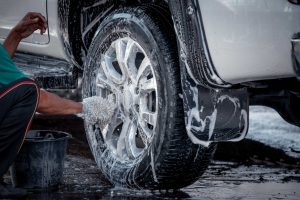 Trucks introduce detailing challenges you simply won’t encounter with passenger cars. Models like the Ford F-150, Ram 1500, and Chevrolet Silverado combine passenger vehicle surfaces with work-vehicle features that need specialized treatment.
Truck Bed Care
The truck bed is the primary thing that separates truck detailing from everything else.
Spray-in bedliners need cleaning agents that won’t break down the protective coating. Drop-in plastic liners should be removed periodically to clean the metal surface underneath, where moisture and debris collect and promote rust. Bare metal beds on older or classic trucks need rust prevention treatments applied after washing.
Chrome and Heavy-Use Surfaces
Chrome bumpers, grilles, and trim pieces on trucks oxidize faster than equivalent parts on passenger cars. Trucks are often exposed to tougher conditions: towing, job sites, off-road driving, and hauling loads that kick up road debris. Dedicated chrome polish and a protective sealant help slow that process down.
Undercarriage and Tonneau Covers
Trucks used for hauling or off-road driving pick up significant mud, salt, and grime underneath. A thorough undercarriage wash and degreasing session prevents that buildup from causing long-term corrosion. Tonneau covers, whether soft or hard, need gentle cleaning to preserve their weather-sealing and appearance. Harsh scrubbing or the wrong product can crack or lift the seam tape.
Sports Car Detailing
Sports cars give professional detailers some of the most demanding work in the category. The paint is typically better than average, which means imperfections show more and corrections need to be done with more precision.
Vehicles like the Chevrolet Corvette, Porsche 911, and Mazda MX-5 sit very low to the ground. That creates real challenges during positioning on ramps or vehicle lifts. Detailers have to work carefully around front splitters, side skirts, and rear diffusers that can catch or break if the car is moved without awareness of those components.
Brake Dust on Performance Wheels
High-performance brake systems generate much more dust than standard systems, and that dust bonds aggressively to wheel surfaces. Sports car wheels also tend to have complex spoke designs and expensive finishes that scratch easily. A pH-balanced wheel cleaner and soft brushes are the right tools here. Using the wrong product or a stiff brush on a coated or polished wheel can cause damage that’s expensive to fix.
Matte and Satin Paint Finishes
Some sports cars come from the factory with matte or satin paint rather than gloss. These finishes cannot be polished, waxed, or treated with standard protective products. Doing so permanently alters the appearance. Matte-specific sealants are available and should be the only products applied to these surfaces.
Luxury Vehicle Detailing
Luxury vehicles from brands like Mercedes-Benz, BMW, Audi, and Lexus often feature multi-stage paint applications with metallic or pearlescent finishes. These finishes reflect light differently from standard automotive paint, and they show fine scratches or haze at a level that most car owners would never notice on a standard vehicle.
Sensitive Electronics and Trim
Luxury vehicles pack a significant number of sensors, cameras, and electronic components into their exterior panels. Soft-close doors, power-folding mirrors, and radar sensors built into bumpers all need to be worked around carefully during washing and rinsing. Water getting into the wrong area can trigger warning lights or cause costly malfunctions.
Piano Black and Carbon Fiber Accents
Piano black trim pieces are among the most scratch-prone surfaces on any vehicle. They show every micro-scratch and water mark under direct light. Extra-soft microfiber and minimal pressure are required when cleaning these areas.
Carbon fiber accents are similarly demanding. UV exposure causes carbon fiber to fade over time, so a UV-protective sealant designed for that material is essential.
Factory-Applied Coatings
Some luxury vehicles come with factory-applied paint protection film or ceramic coating from the manufacturer. If you’re bringing a recently purchased luxury vehicle in for detailing, let your technician know so they can use compatible products rather than accidentally stripping or degrading a treatment that cost hundreds of dollars at the dealership.
Electric Vehicle Detailing
Electric vehicles have their own set of detailing considerations that are worth knowing about, especially as more people in the New Orleans area drive EVs.
Charging Port Areas
The charging port is one area where water should never be sprayed directly, even when the port door is closed. Debris can accumulate around the port housing and the door mechanism over time. Cleaning this area requires a careful hand with a damp microfiber cloth rather than a pressure rinse.
Motorized port doors need to open and close smoothly. If they feel stiff or are catching, a compatible lubricant applied to the hinge points helps. A detailer who doesn’t know the vehicle might skip this step.
Flush Door Handles and Aerodynamic Mirrors
Many EVs use flush door handles that pop out when you approach the car. These handles have motor and sensor mechanisms inside them. Cleaning around them requires care so water doesn’t work its way into the mechanism. The same applies to cameras and sensors integrated into side mirrors and rear bumpers.
Paint Finishes on EVs
EV manufacturers often use specialized paint systems that emphasize aerodynamic efficiency and visual depth. Tesla’s multi-coat paint process, for example, produces a vivid finish but shows swirl marks readily. Matte and satin wraps are also popular on EVs, which means detailers need to have matte-specific products on hand for those vehicles.
The Right Detail for Your Specific Vehicle
Not every car needs the same treatment, and the right approach makes a real difference in the results. Whether you drive a daily sedan, a work truck, a high-performance sports car, a luxury vehicle, or an EV, Big Easy Mobile Detail brings the right products and techniques directly to your driveway.
We serve the New Orleans area and adjust our approach to fit your vehicle, not the other way around. For a full breakdown of what exterior detailing includes, check out our complete guide.
Big Easy Mobile Detail comes to you with professional-grade products and trained technicians who understand what your specific vehicle needs.
Schedule your appointment today and let us take care of the rest.
Frequently Asked Questions
How long does exterior detailing take for different vehicle types?
Sedans typically take 2 to 3 hours for a complete exterior detail. SUVs and trucks usually need 3 to 4 hours due to their increased surface area. Sports cars and luxury vehicles may require 4 to 5 hours when paint correction and specialty protection are included. Time also depends on the vehicle’s condition and which services are selected. Learn more in our detailing time guide.
Are larger vehicles more expensive to detail?
Yes. Larger vehicles cost more due to the additional time, product volume, and physical effort required. SUVs and trucks typically run 25 to 40 percent more than sedans for the same service level. Luxury vehicles may carry a premium regardless of size because of the specialized care their paint and trim materials require.
Can the same products be used on every vehicle type?
Not always. While many quality detailing products work across most vehicles, specialty situations require specific solutions. Matte finishes need dedicated sealants, chrome needs its own polish, and truck beds need cleaners that won’t break down the liner. A professional detailer carries a range of products and selects the right one for your specific surfaces.
Do EVs need different detailing products?
In most cases, EVs use the same exterior products as conventional vehicles. The main differences involve keeping water away from charging components and using appropriate products for any specialty paint or wrap finishes. Standard washing, polishing, and protection products are suitable for most EV paint systems.
Should classic cars be detailed differently from modern vehicles?
Yes. Original paint on classic and vintage vehicles doesn’t have the durability of modern clear coat systems. pH-neutral products and hand application are essential to avoid stripping or damaging original finishes. Chrome on classic vehicles also responds differently than modern chrome-look trim, so dedicated chrome care products are the right choice.