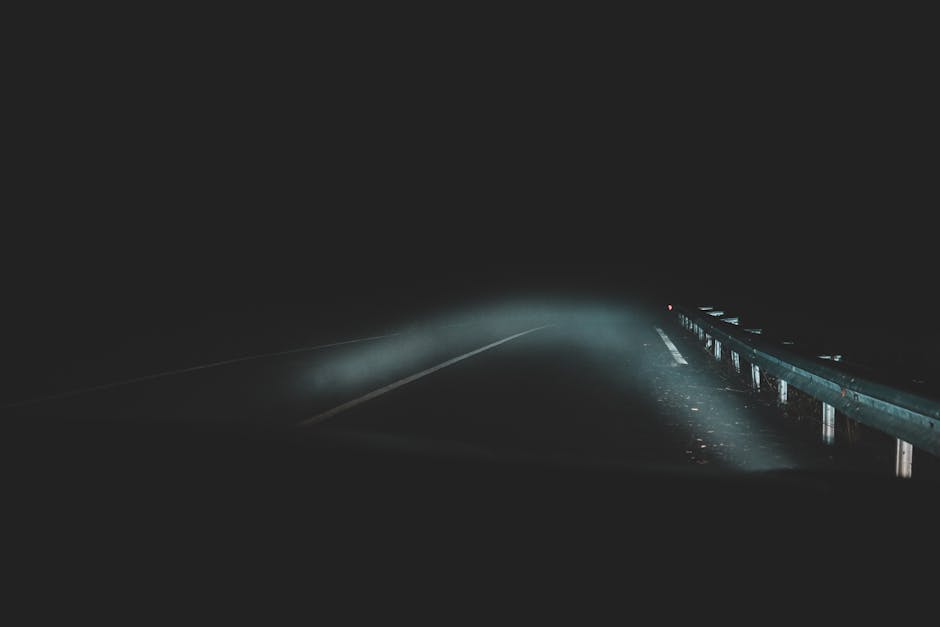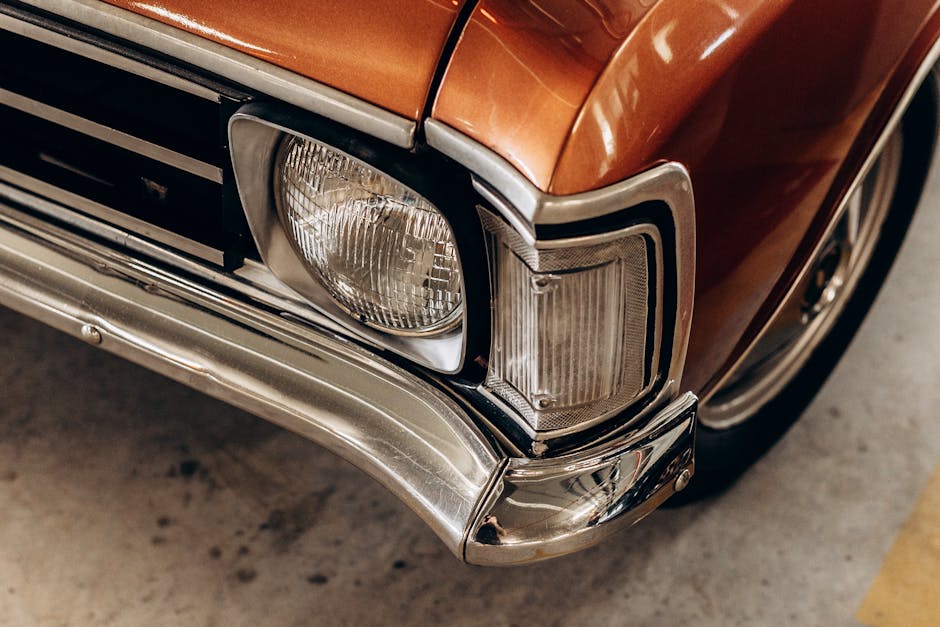
Cloudy, yellowed headlights do more than hurt your car’s curb appeal. They reduce nighttime visibility by up to 80 percent, making every drive after sunset riskier than it needs to be. If you have been considering headlight restoration, one of the first questions on your mind is probably how long the results will actually last.
The short answer: professional headlight restoration typically lasts one to three years, while DIY kits fade in as little as six months. The long answer depends on the quality of the service, your local climate, and how you maintain your headlights afterward.
At Big Easy Mobile Detail, we restore headlights using professional-grade compounds and UV sealants that protect your lenses far longer than over-the-counter kits. Here is what determines how long those results hold up, and what you can do to get the most life out of every restoration.
What Causes Headlights to Cloud Up in the First Place
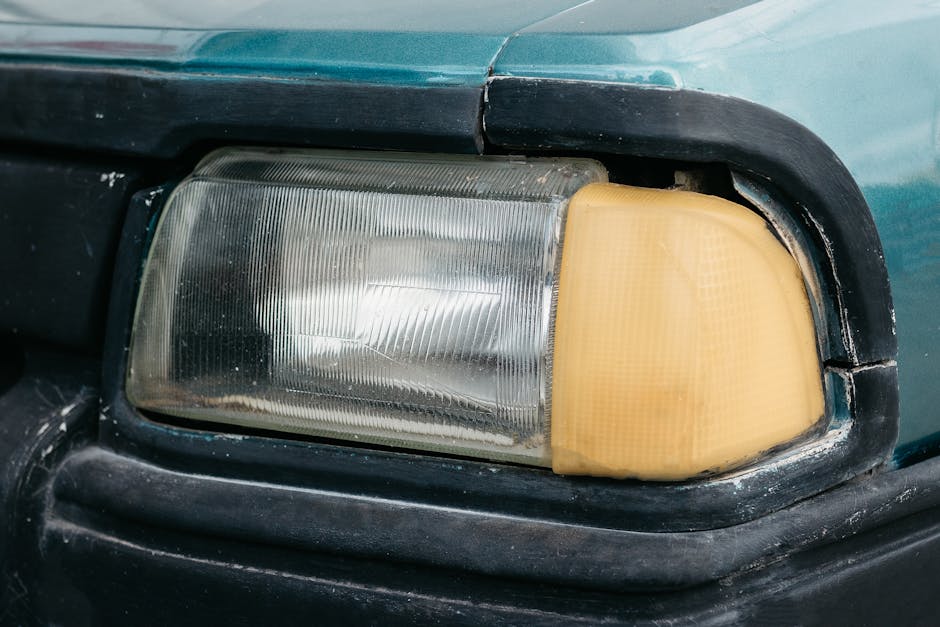
Modern headlight lenses are made from polycarbonate plastic, not glass. Manufacturers apply a clear UV-protective coating at the factory to shield the plastic from sun damage. Over time, that factory coating breaks down. Once it is gone, ultraviolet radiation attacks the polycarbonate directly, causing oxidation: that familiar yellow haze that makes headlights look foggy.
Road debris, chemical cleaners, and environmental contaminants speed up the process. The result is a lens that scatters light instead of focusing it, cutting both your visibility and your vehicle’s appearance.
Factors That Determine How Long Restoration Lasts
Not every headlight restoration delivers the same longevity. Several variables control how many months or years you get before hazing returns.
Quality of the UV Sealant
The sealant applied after polishing is the single biggest factor. Professional detailers use commercial-grade UV-inhibiting clear coats that bond to the polycarbonate and block ultraviolet penetration for years. DIY kits often include a thin wipe-on sealant that wears off within a few months of regular sun exposure.
Thoroughness of the Restoration Process
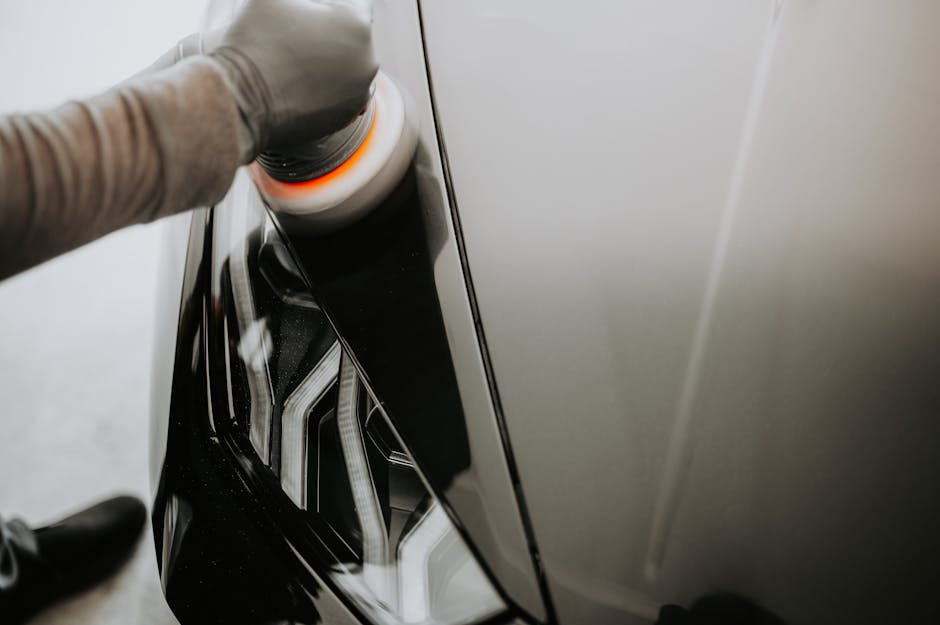
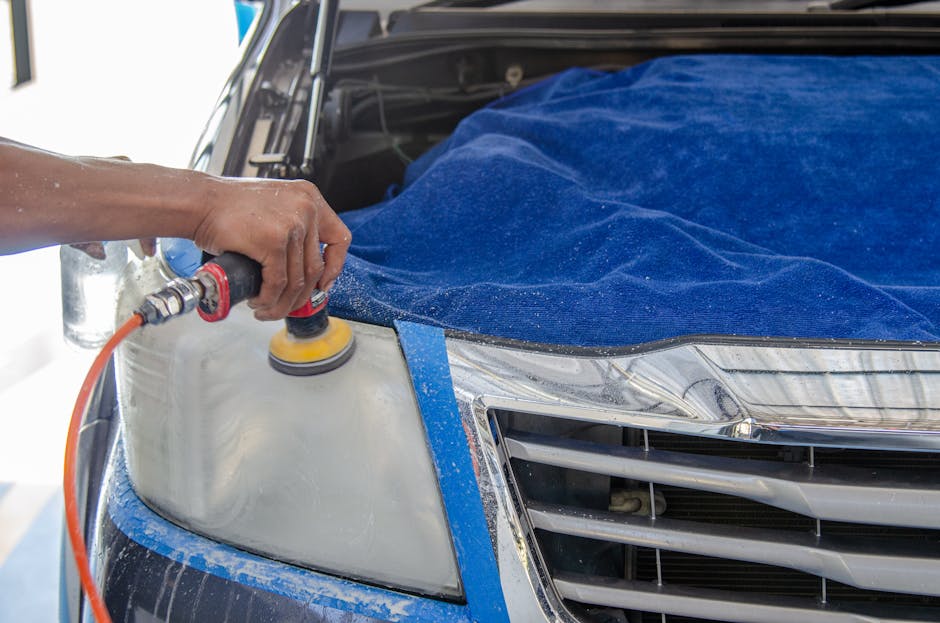
A proper restoration involves multiple stages: wet sanding with progressively finer grits (typically 800 through 3000), machine polishing with a cutting compound, then a finishing polish before the sealant goes on. Skipping grits or rushing the polish leaves micro-scratches that trap contaminants and accelerate re-oxidation.
Climate and Sun Exposure
Vehicles parked outdoors in high-UV regions degrade faster. The Gulf Coast, including New Orleans and surrounding parishes, receives an average UV index of 6 to 9 for roughly eight months of the year. Combined with Louisiana’s year-round humidity above 70 percent and occasional salt air from the coast, headlights in this region oxidize faster than vehicles kept in cooler, drier climates.
How You Park and Wash
Garage-parked vehicles hold restoration results noticeably longer. If you park outdoors, facing your headlights away from direct afternoon sun helps. Using pH-neutral car wash soap instead of household cleaners prevents stripping the sealant prematurely.
Professional Restoration vs. DIY Kits
The price gap between a $25 kit and a professional service in the $75 to $150 range often gives drivers pause. Here is what that difference buys you in terms of lasting clarity.
DIY kits typically include a single sanding pad, a small bottle of polish, and a wipe-on sealant. The sealant layer is thin and offers limited UV protection. Most drivers report results fading within four to eight months.
Professional headlight restoration uses a multi-step wet-sanding and polishing sequence with commercial equipment, followed by a durable UV clear coat. The result is a lens that looks nearly factory-new and stays that way for one to three years with proper care.
For drivers who want the longest possible protection, pairing headlight restoration with a ceramic coating adds another layer of UV and chemical resistance on top of the sealant. Ceramic-coated headlights can maintain clarity for three years or more, even in harsh climates.
Why Gulf Coast Drivers Should Pay Extra Attention
Louisiana sits in one of the highest UV-exposure zones in the continental United States. New Orleans averages more than 210 sunny or partly sunny days per year, and the subtropical humidity means moisture is constantly sitting on every exterior surface, including your headlight lenses.
That combination of intense UV radiation, humidity, and salt-laden air from Lake Pontchartrain and the Gulf creates ideal conditions for accelerated oxidation. Headlights in the Greater New Orleans area haze noticeably faster than those in northern or arid climates.
This is exactly why a professional-grade UV sealant matters more here than in most parts of the country. A quality restoration with the right coating gives drivers in Metairie, Kenner, Slidell, Mandeville, and across the Northshore a fighting chance against the elements.
How to Make Your Restoration Last Longer
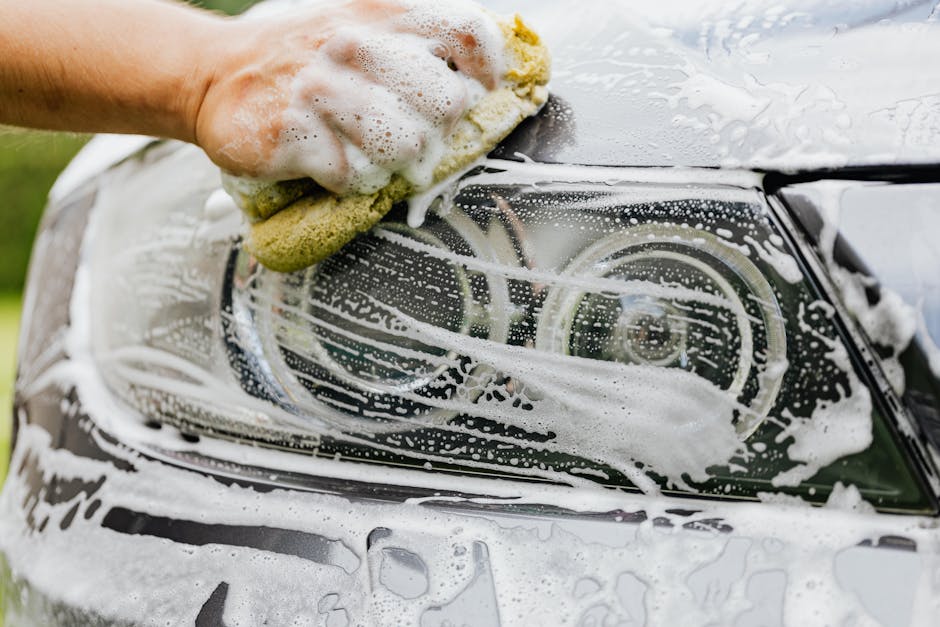
Once your headlights are restored, a few simple habits can add months or even years to the results.
Wash your headlights regularly with pH-neutral soap and a microfiber cloth. Avoid automatic car washes with harsh brushes that can scratch the sealant.
Apply a spray-on UV protectant every three to four months. This supplements the sealant and adds an extra barrier against sun damage.
Park in a garage or under a carport whenever possible. If outdoors, position the front of your vehicle away from direct western sun during peak afternoon hours.
Avoid household cleaners like glass cleaner, toothpaste, or baking soda on restored lenses. These are abrasive and break down the protective coating.
Schedule a maintenance recoat every 12 to 18 months if you park outdoors in a high-UV area. A recoat costs far less than a full restoration.
Staying on top of your full exterior detailing routine helps catch headlight issues early, before oxidation requires heavy sanding again.
Signs It Is Time for Another Restoration
Even with great maintenance, headlight sealants eventually wear through. Watch for these indicators that your lenses need attention again:
A slight yellow tint returns to the lens, especially visible when looking at the headlight from an angle in direct sunlight.
Nighttime visibility begins to decrease, with your headlight beam looking dimmer or more scattered than before.
You notice fine surface haze or a gritty texture when running your finger across the lens surface.
Water no longer beads cleanly on the headlight, which means the sealant has worn away and the bare polycarbonate is exposed.
If you spot any of these signs, scheduling a restoration early prevents oxidation from reaching deeper layers of the polycarbonate, making future restorations quicker and less costly.
Wondering whether your paint also needs attention? Our guide on paint correction and when you need it breaks down the process.
Exploring which protective coating works best for your vehicle? Our comparison of which protection suits your vehicle offers a side-by-side breakdown.
Want to keep your entire exterior in top shape between professional visits? Our post on how to maintain your car’s exterior covers the essentials.
Our exterior car detailing complete guide covers what professional detailing includes beyond headlights.
Ready to get your headlights looking clear again? Contact Big Easy Mobile Detail or call us at (504) 399-1448 for a free estimate. We bring the service to you, anywhere in the Greater New Orleans area.
Frequently Asked Questions
How long does professional headlight restoration last?
Professional headlight restoration typically lasts one to three years, depending on the quality of the UV sealant, your local climate, and how you maintain the lenses afterward. Drivers who park indoors and apply supplemental UV protectant can push results toward the upper end of that range.
Is headlight restoration worth it compared to replacement?
Restoration costs $75 to $150 per pair, while replacement headlight assemblies run $200 to $1,500 or more depending on the vehicle. Restoration is the better value when the damage is limited to surface oxidation, which covers the vast majority of cloudy headlights.
Can I restore my headlights myself with a DIY kit?
DIY kits work for mild hazing, but results typically fade within four to eight months because the included sealants lack durability. Professional restoration uses commercial-grade compounds and UV-inhibiting clear coats that last significantly longer.
Does ceramic coating help headlights stay clear longer?
Yes. Applying a ceramic coating over a freshly restored headlight adds UV resistance, hydrophobic properties, and chemical protection that can extend clarity for three years or more. It is one of the most effective ways to protect your investment in restoration.
How does Louisiana weather affect headlight oxidation?
Louisiana’s high UV index, year-round humidity above 70 percent, and salt air from the Gulf Coast create conditions that accelerate headlight oxidation faster than most regions in the country. Professional restoration with a quality UV sealant is especially important for vehicles in this climate.
How often should I recoat my headlights after restoration?
In high-UV areas like the Gulf Coast, reapplying a UV protectant spray every three to four months and scheduling a professional maintenance recoat every 12 to 18 months keeps your headlights clear and safe for nighttime driving.