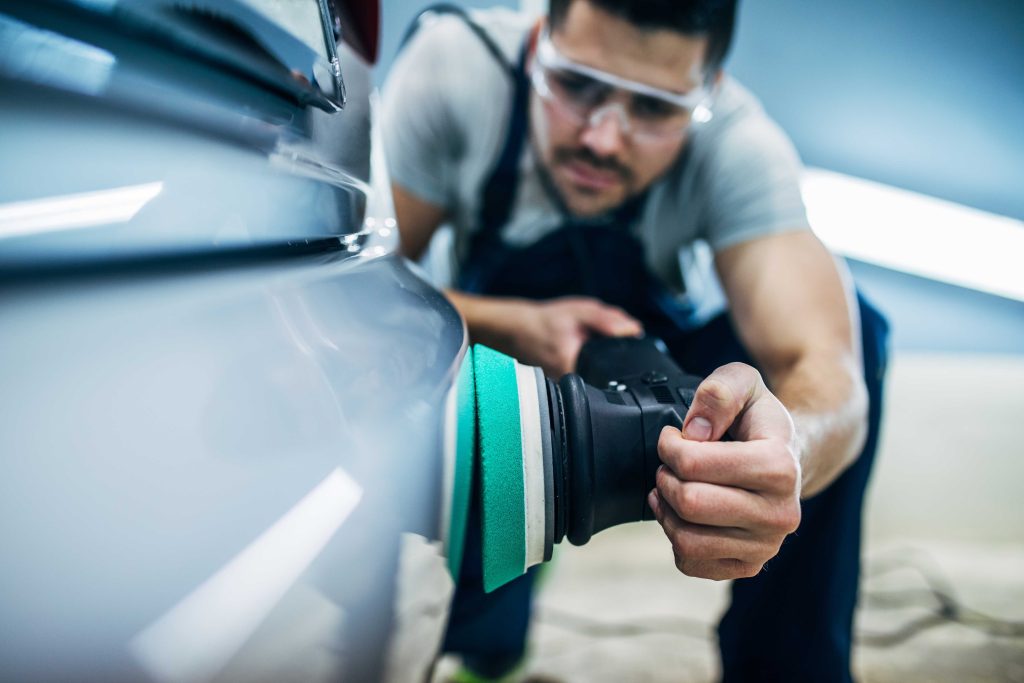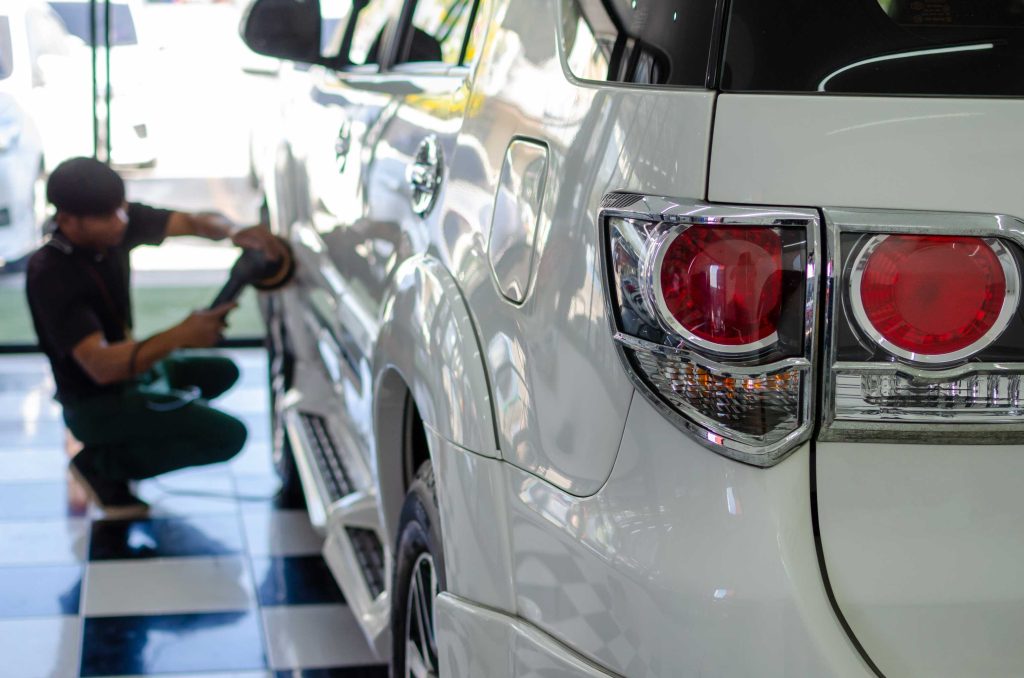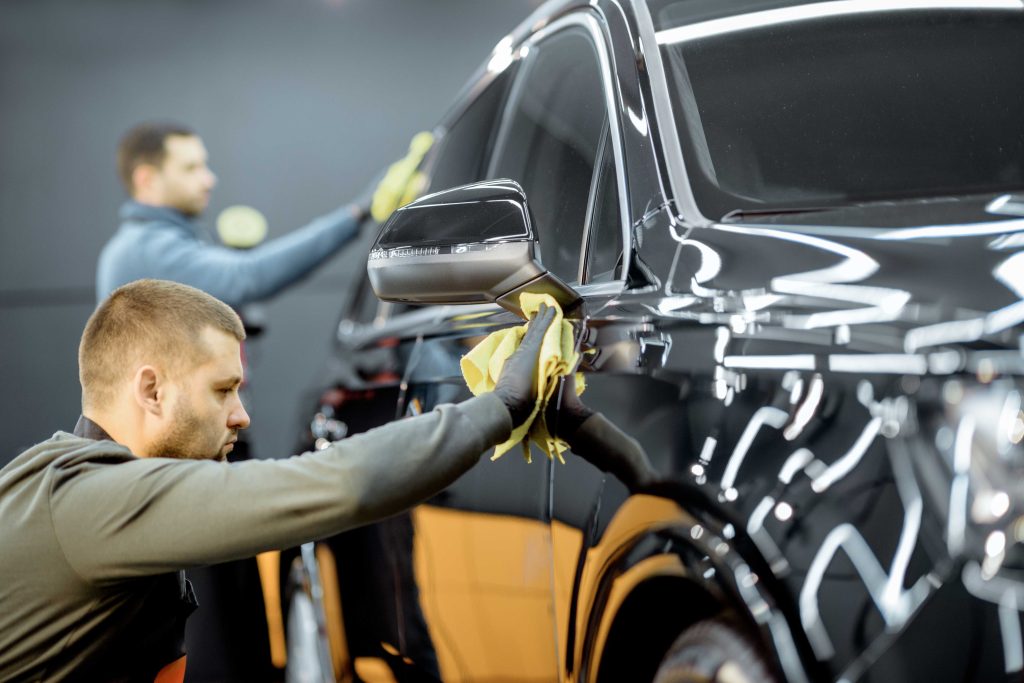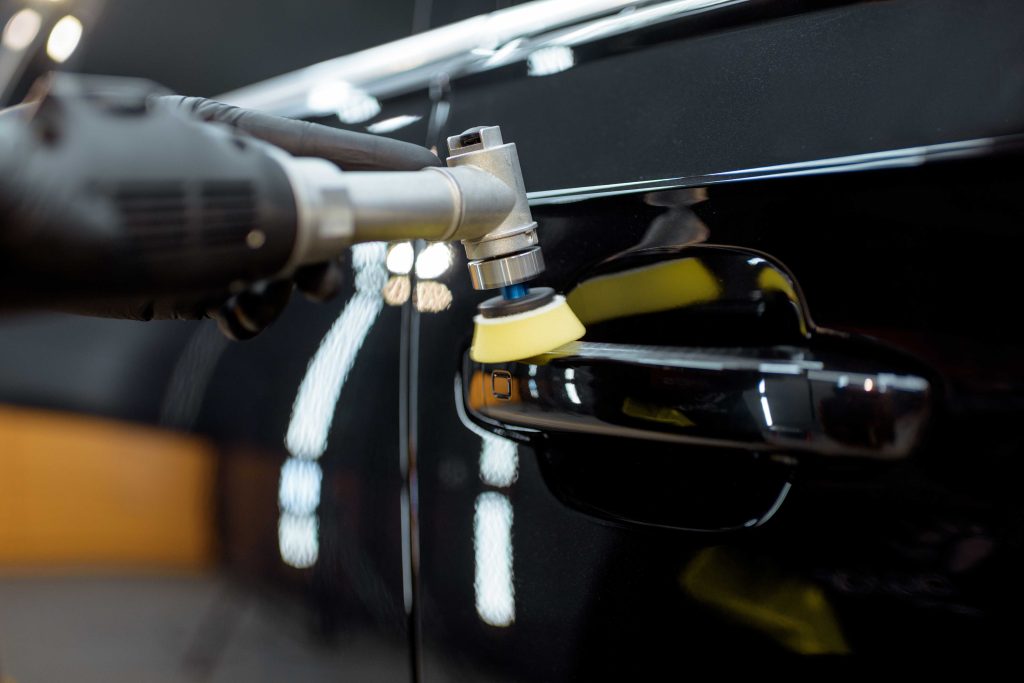
Exterior detailing can remove minor scratches and swirl marks that stay within the clear coat layer. A professional detailer uses polishing compounds and a machine buffer to level the damaged area until the scratch disappears. However, scratches that go through the clear coat and reach the color layer, primer, or bare metal cannot be fixed through detailing alone—those require paint repair or bodywork.
Noticed a scratch on your car and wondering if a detail can fix it? You’re not alone. At Big Easy Mobile Detail, we answer this question every week. The short answer is that it depends on how deep the scratch goes. Some scratches disappear completely after a professional polish. Others need more than detailing can offer. Read on to find out exactly what’s possible—and what to expect for your specific situation.
Ready to get your car’s finish assessed by a pro? Book your mobile detail today, and we’ll come to you anywhere in the New Orleans area.
What Exterior Detailing Actually Does to Your Paint
Before diving into scratch removal, it helps to understand what a professional exterior detail involves.
A standard exterior detail starts with a thorough hand wash to remove all dirt, followed by a clay bar treatment to pull out any tiny particles stuck to the surface. After that comes polishing — the stage where scratch removal happens — and finally a protective coating like wax, sealant, or ceramic coating to lock in the results.
The polishing stage is where the real work takes place. Your car’s paint is made up of several layers: a base coat (the actual color), topped by a clear coat (the protective, glossy outer layer you can see and touch). Most modern vehicles have a clear coat that’s roughly 1.5 to 2 thousandths of an inch thick. When scratches stay within that clear coat, polishing can smooth them away. When they go deeper, polishing alone won’t be enough.
The Three Types of Scratches — and What Can Be Done About Each
1. Clear Coat Scratches (Surface Level)
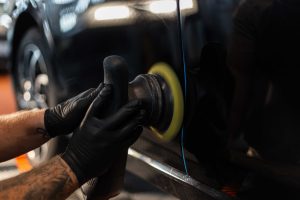 These are the most common and the most treatable. They sit in the outermost layer of your paint and never reach the color beneath.
Common causes include:
- Automatic car wash brushes
- Improper washing with a dirty sponge or rag
- Light contact with a shopping cart or a tree branch
- Swirl marks from years of washing and drying
These scratches often look like faint spiderweb patterns under direct sunlight. During a professional detail, your technician uses a machine polisher with a cutting compound, a mildly abrasive product, to gently remove a thin layer of clear coat around the scratch, leveling the surface until the mark is gone. They then follow up with a finer polish to restore a deep, smooth shine.
2. Base Coat Scratches (Color Layer)
These scratches cut through the clear coat and reach the actual color underneath. They’re more serious, but a skilled detailer can still improve their appearance significantly through a process called paint correction, a multi-stage polishing treatment using progressively finer compounds.
That said, full removal may not be possible depending on how deep the damage goes. Your detailer will be honest with you about what’s achievable.
3. Primer or Metal Scratches (Deep Damage)
If you can see a white or gray color inside the scratch on a non-white car, or if you can see bare metal, the scratch has gone all the way through the color layer and into the primer — or even the metal body of the car. At this point, detailing cannot fix the problem. In fact, polishing over-exposed metal can make things worse by grinding particles into the surrounding paint.
Deep scratches like these need bodywork: the area must be filled, primed, repainted, and sealed. Once that’s done, a professional detailer can restore the finish and protect the repaired area.
How to Check a Scratch’s Depth at Home
You don’t need any special tools to get a rough idea of how deep a scratch is. Try this quick test:
Run your fingernail gently across the scratch. If your nail glides right over it without catching, the scratch is likely surface-level and a good candidate for polishing. If your nail gets stuck in the groove, the damage probably goes deeper than the clear coat and will need more than standard detailing can offer.
Another visual clue: look at the color inside the scratch. If it matches the rest of your car, the clear coat may still be intact or only lightly damaged. If you see white, gray, or silver inside the mark, you’re looking at primer or bare metal.
What the Paint Correction Process Looks Like
When you bring your car to Big Easy Mobile Detail for scratch removal, here’s what to expect:
- Step 1 – Full wash and decontamination. We start clean. Any dirt left on the surface during polishing would create more scratches, so we wash the car thoroughly and use a clay bar to pull out embedded particles.
- Step 2 – Paint assessment. We inspect your paint under proper lighting to identify all scratches and imperfections. We also check paint thickness to make sure there’s enough clear coat to work with safely.
- Step 3 – Cutting compound. For surface-level scratches, we apply a cutting compound using a dual-action machine polisher. This removes a microscopic amount of clear coat around the scratch, leveling the surface.
- Step 4 – Polishing. We follow up with a finer polish to smooth out any haze left by the cutting stage and bring back the deep, reflective shine.
- Step 5 – Finishing and protection. Finally, we apply a protective layer — wax, paint sealant, or ceramic coating — to seal the work and protect against new damage.
Does Every Detailing Package Include Scratch Removal?
No, and this is important to know before you book.
A basic exterior detail wash, dry, and wax makes your car look clean and adds a layer of protection, but it does not remove existing scratches. Scratch removal is part of paint correction, which is a separate, more time-intensive service.
If you’re specifically hoping to address scratches or swirl marks, make sure you ask for paint correction or a scratch removal treatment when you call. At Big Easy Mobile Detail, we’re always upfront about what each service includes, so there are no surprises.
Will the Results Last?
Yes, with the right care after the fact. Once a scratch is polished out of the clear coat, it’s gone for good. It won’t come back on its own. What determines how long your paint looks great afterward is how you maintain it.
Automatic car washes, dirty sponges, and dry wiping a dusty car are the fastest ways to undo the work. The best way to protect your freshly corrected paint is to wash using the two-bucket method with a clean microfiber wash mitt, dry with a soft microfiber towel, and keep a layer of wax or sealant on the surface at all times.
Many of our customers also choose to add a ceramic coating right after paint correction. A ceramic coating bonds chemically to your clear coat and creates a hard, protective shell that resists minor scratches and makes every future wash easier. It won’t make your car scratch-proof, but it goes a long way toward keeping that just-detailed look for years.
Does Car Color Affect Scratch Removal?
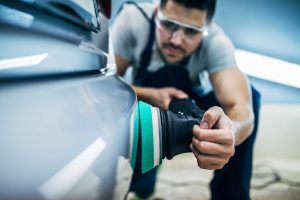 Paint correction works on every color, but some colors make scratches more visible than others.
Dark colors, black, dark navy, dark gray are unforgiving. Every swirl mark and fine scratch shows up clearly under light. The good news is that paint correction on dark cars produces dramatic, noticeable results. Light colors like white and silver hide minor scratches better, but they still benefit significantly from polishing.
Metallic and pearl finishes require extra care because the metallic flakes are built into the paint layers. Aggressive polishing can disturb those flakes and create dull or uneven patches, so experienced technicians adjust their technique and product choice based on your specific paint.
Matte finishes are a special case. Standard polishing adds gloss, which would ruin a matte finish entirely. If your car has a matte or satin finish, make sure your detailer knows this before they begin. Scratch repair on matte paint requires a completely different approach.
How Much Does Paint Correction Cost?
Pricing varies based on the size of your vehicle, the severity of the scratches, and how many polishing stages are needed.
A single-stage correction, which addresses lighter surface imperfections, generally costs less and takes fewer hours. A multi-stage correction for heavily scratched paint takes longer and costs more, but it can remove up to 85–95% of surface defects when done well.
As a general benchmark in the industry, paint correction services typically range from a few hundred dollars up to several hundred for larger vehicles or more severe damage. When you contact Big Easy Mobile Detail, we’ll give you an honest assessment of what your car needs and what it will cost — no guesswork.
Get a Fresh, Scratch-Free Finish — We Come to You
You shouldn’t have to drive across town and sit in a waiting room to get your car’s paint looking right again. Big Easy Mobile Detail brings professional paint correction and exterior detailing services directly to your home, office, or wherever works best for you throughout New Orleans and the surrounding area.
Whether you’re dealing with swirl marks from years of car washes, a fresh scuff from a parking lot, or paint that’s just lost its shine, we’ll assess your car honestly and take care of it with the right tools and techniques for your specific paint.
Contact Big Easy Mobile Detail today to schedule your appointment or ask us about what’s right for your car. We’ll come to you.
Frequently Asked Questions
Can all scratches be removed by detailing?
No. Detailing can remove or significantly reduce scratches that stay within the clear coat. Scratches that reach the color layer can be improved but may not disappear entirely. Scratches that expose primer or bare metal need bodywork before detailing can help.
How do I know if my scratch needs bodywork instead of detailing?
Run your fingernail across the scratch. If it catches, the scratch is likely too deep for polishing alone. If you see white, gray, or bare silver inside the mark, you’re looking at primer or metal that needs a body shop first.
Will paint correction damage my clear coat?
When done by a trained professional, paint correction is safe. Your technician should measure paint thickness before starting to make sure there’s enough clear coat to work with. Risks only arise when inexperienced operators use too much pressure or the wrong products.
How long does a paint correction appointment take?
It depends on the vehicle size and the severity of the scratches. Light single-stage correction on a smaller car can take around four hours. A full multi-stage correction on a large SUV with heavy surface damage can take 12 hours or more. Learn more in our guide on how long exterior detailing takes.
Does ceramic coating prevent scratches after paint correction?
Ceramic coating adds a hard, protective layer that resists minor surface damage and makes future washes less likely to cause scratches. However, it’s not a scratch-proof shield — significant impacts or abrasive contact can still damage the surface. Think of it as a strong layer of defense, not an invisible forcefield.
Can detailing fix scratches on plastic bumpers and trim?
Painted plastic bumpers respond to the same techniques as metal panels. Unpainted plastic trim may improve with specialized plastic restorers or a heat gun for very light marks. Deep gouges in plastic usually require the part to be replaced.
Do new cars need paint correction?
Often, yes. New vehicles frequently arrive at dealerships with swirl marks from transport or improper washing on the lot. If you’re adding a ceramic coating to a new car, it’s best to do a light paint correction first so the coating doesn’t lock in those imperfections.