Headlight maintenance after restoration comes down to consistent UV protection, gentle cleaning, and smart parking habits. With the right routine, professionally restored headlights can stay crystal clear for 12 months or longer, even in harsh climates like the Gulf Coast.
You just had your headlights restored, and they look brand new again. The yellowing is gone, the haze has disappeared, and your nighttime visibility is sharper than it has been in years. Now the question is: how do you keep them that way? Without a solid maintenance plan, oxidation and UV damage will slowly creep back in. The good news is that a few simple habits can protect your investment and keep your lenses looking clear for well over a year.
At Big Easy Mobile Detail, we restore headlights across the Greater New Orleans area and see firsthand how proper aftercare makes all the difference. Here is what works, what does not, and what Gulf Coast drivers need to know about protecting restored lenses in our unique climate.
Why Headlights Fog Up Again After Restoration
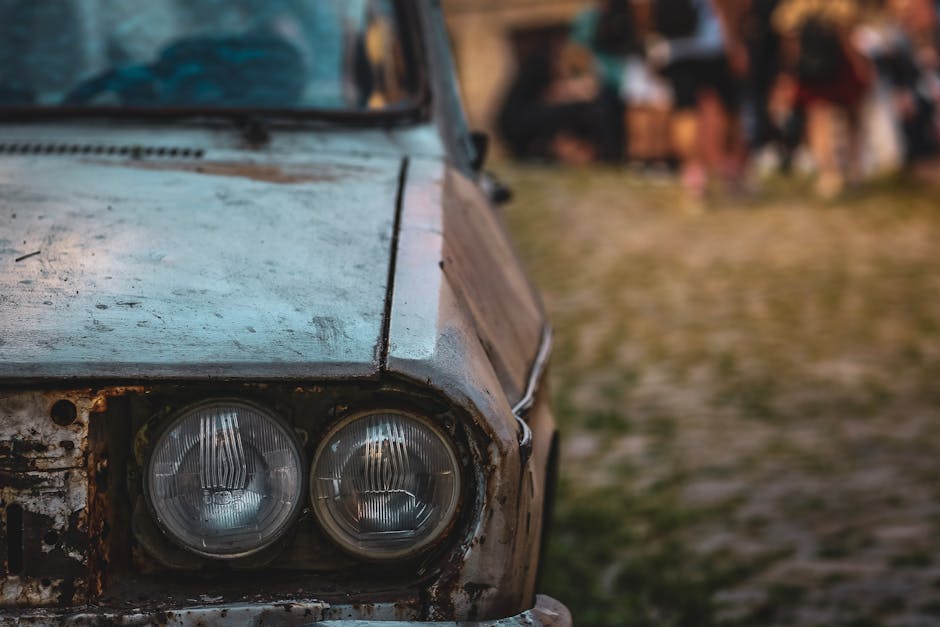
Before diving into maintenance, it helps to understand why headlights degrade in the first place. Modern headlight lenses are made from polycarbonate plastic, which is lightweight and impact-resistant but vulnerable to ultraviolet light. Manufacturers apply a UV-protective clear coat at the factory, but over time that coating breaks down. Once the bare plastic is exposed, oxidation sets in, turning the lens yellow, hazy, or rough to the touch.
Professional headlight restoration strips away the damaged layer and applies a fresh protective sealant. But that new protection is not permanent either. Think of it like waxing your car: the protection fades over time with exposure to the elements, and periodic reapplication keeps things looking sharp. For a deeper look at how long results typically last, check out our guide on how long headlight restoration lasts.
Apply and Reapply UV-Protective Sealant
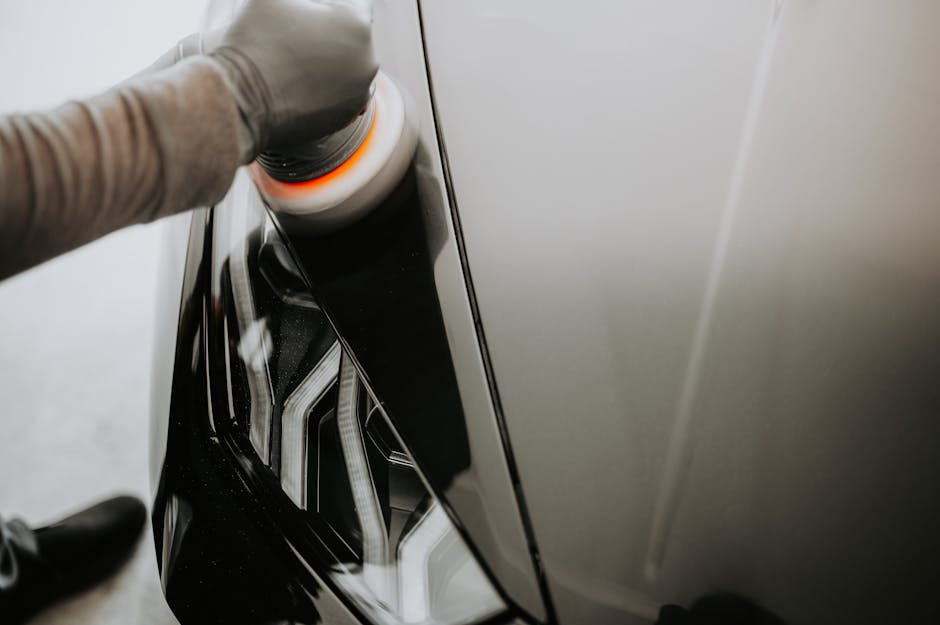
The single most important step in headlight maintenance after restoration is keeping a UV-protective sealant on the lens surface. This sealant acts as a barrier between the polycarbonate and the sun, slowing the oxidation process significantly. Without it, UV rays start breaking down the plastic again within weeks.
Plan to reapply your UV sealant every three to six months, depending on your driving conditions and sun exposure. If your vehicle sits outside most of the day, lean toward the three-month end of that range. Drivers who park in a garage or under a carport can usually stretch closer to six months between applications. Quality automotive UV sealant products are available at most auto parts stores, and the application process takes just a few minutes.
Clean Headlights the Right Way
Regular cleaning prevents dirt, road grime, bug residue, and chemical deposits from eating into the sealant layer. Clean your headlights every few months using a non-abrasive cleaner and a soft microfiber cloth. Avoid harsh household cleaners, abrasive sponges, or anything with ammonia, because these can strip the protective coating right off.
A gentle car wash soap diluted in water works perfectly fine. Spray it on, let it sit for a minute to loosen debris, then wipe gently in straight lines rather than circular motions. This approach also applies to the rest of your vehicle’s exterior. Our post on how to maintain car exterior details covers a full routine for keeping your paint, trim, and lenses in top shape between professional details.
Park Smart to Reduce UV Exposure
Sunlight is the number one enemy of headlight clarity. While you cannot avoid it entirely, small parking decisions add up over time. Whenever possible, park in shaded areas, under trees, in a garage, or beneath a covered structure. If shade is not available, consider positioning your car so the headlights face away from direct sun during the hottest part of the day.
Another option worth considering is headlight covers or protective film. These shields block UV rays and debris when your vehicle is parked, adding an extra layer of defense. They are especially useful for vehicles that sit outside for long stretches, such as work trucks or fleet vehicles. If you are comparing different protection options for your car, our article on which protection suits your vehicle breaks down the choices in detail.
Wash Your Car Regularly
It sounds simple, but regular washing is one of the most effective ways to extend headlight clarity. Road salt, industrial fallout, tree sap, and insect acids all eat away at protective coatings over time. A consistent wash schedule, every two weeks or so, removes these contaminants before they cause lasting damage.
Pay special attention to the headlight area during each wash. Rinse off loose debris first, then use a clean section of your wash mitt to gently wipe the lens. Dry thoroughly with a soft cloth to prevent water spots, which can etch into the sealant if left to bake in the sun. For a complete walkthrough of exterior care, take a look at our complete guide to exterior car detailing.
Consider Ceramic Coating for Long-Term Protection
If you want the longest-lasting protection available, ask about applying ceramic coating over your restored headlights. Ceramic coatings bond to the lens surface at a molecular level, creating a durable shield against UV rays, chemical contaminants, and minor scratches. When applied over a freshly restored headlight, a quality ceramic coating can extend clarity for three years or more.
This is a particularly smart investment for Gulf Coast drivers who deal with extreme UV exposure nearly year-round. The upfront cost is higher than a standard sealant, but the reduced maintenance and extended protection often make it the better value over time.
Gulf Coast Climate: What New Orleans Drivers Need to Know
Living in Louisiana means your headlights face a tougher environment than vehicles in many other parts of the country. The combination of intense UV radiation, high humidity, salt air from the Gulf, and frequent rain creates a perfect storm for accelerated oxidation. Headlights in this region tend to degrade faster, which means your maintenance routine needs to be tighter.
For drivers in the New Orleans metro area, plan on more frequent sealant reapplication, closer to every three months rather than six. A professional maintenance recoat every 12 to 18 months is also worth considering for high-UV areas like ours. Even with excellent care, restoring your lenses every one to two years is normal and expected. Think of it as routine upkeep, similar to oil changes or tire rotations. Our post on how often you should get your car’s exterior detailed can help you build a full maintenance schedule.
When to Call in the Professionals
Even with perfect maintenance, there comes a point when a professional touch-up makes sense. If you notice the lens starting to look slightly hazy again, or if the sealant no longer beads water the way it used to, it is time for a recoat or a light restoration pass. Catching it early means less work and less cost than waiting until the oxidation is severe.
If you are in the Greater New Orleans area and want help keeping your headlights clear, reach out through our contact page or call us directly at (504) 399-1448. We come to you, so there is no need to rearrange your day around a shop appointment.
Frequently Asked Questions
How often should I reapply UV sealant to restored headlights?
Reapply UV-protective sealant every three to six months, depending on how much sun exposure your vehicle gets. Cars parked outdoors in high-UV areas like the Gulf Coast should lean toward every three months for the best protection.
Can I use household glass cleaner on my restored headlights?
No. Most household glass cleaners contain ammonia or other harsh chemicals that can strip the UV sealant from your headlight lens. Use a non-abrasive automotive cleaner with a soft microfiber cloth instead.
How long does professional headlight restoration last?
With proper UV protection and consistent maintenance, professional restoration typically lasts 12 months or longer. In high-UV climates like Louisiana, plan for touch-ups or re-restoration every one to two years as part of normal upkeep.
Will ceramic coating on headlights prevent yellowing permanently?
Ceramic coating significantly extends clarity and can keep headlights clear for three or more years, but no coating lasts forever. It adds a strong layer of UV resistance that reduces the frequency of re-restoration and maintenance recoats.
Does parking in a garage really help keep headlights clear?
Yes, it makes a noticeable difference. Reducing direct UV exposure is one of the most effective ways to slow oxidation. Drivers who park in a garage or under a carport consistently see longer-lasting headlight clarity compared to those who park in open lots.
What are the signs that my headlight sealant is wearing off?
The most common sign is that water no longer beads up on the lens surface the way it did after restoration. You may also notice a slight haze returning or the lens feeling rougher to the touch. Address it promptly with a fresh sealant application to prevent further degradation.