Yellow headlights are caused by UV radiation breaking down the polycarbonate plastic and its protective clear coat, leading to oxidation that clouds and discolors the lens. Road debris, heat from bulbs, and humid climates like Louisiana’s Gulf Coast speed up the process. Professional restoration with multi-stage sanding and a UV-resistant clear coat is the most effective long-term fix.
If you have noticed your headlights turning yellow, hazy, or dull, you are not alone. It is one of the most common complaints vehicle owners have, and it goes beyond cosmetics. Yellowed headlights reduce your visibility at night, which makes driving less safe for you and everyone on the road. Understanding why it happens is the first step toward fixing it.
At Big Easy Mobile Detail, we see yellow headlights on vehicles of all ages across New Orleans and the surrounding parishes. The good news is that headlight yellowing is reversible, and there are steps you can take to prevent it from coming back.
What Are Modern Headlights Made Of?
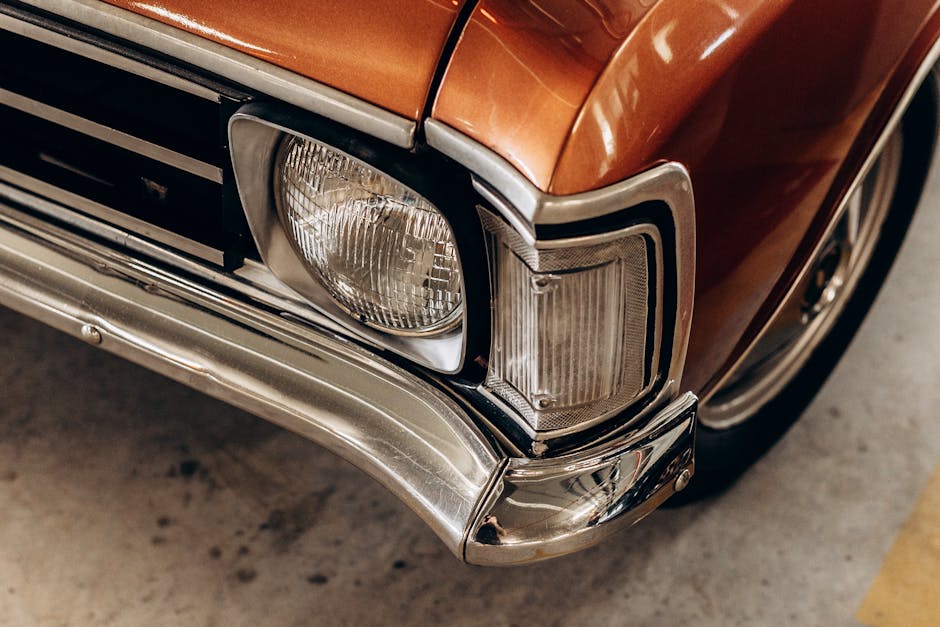
Most people assume headlights are made of glass, but that has not been the case for decades. Modern headlight lenses are made of polycarbonate plastic. This material is lightweight, impact-resistant, and easy for manufacturers to mold into aerodynamic shapes. However, polycarbonate has a significant weakness: it does not hold up well against ultraviolet light without protection.
To compensate, manufacturers apply a factory-grade protective clear coat over the plastic surface. This clear coat acts as a UV shield, keeping the polycarbonate underneath from degrading. When that barrier fails, the yellowing process begins.
The Main Causes of Yellow Headlights
UV Radiation and Oxidation
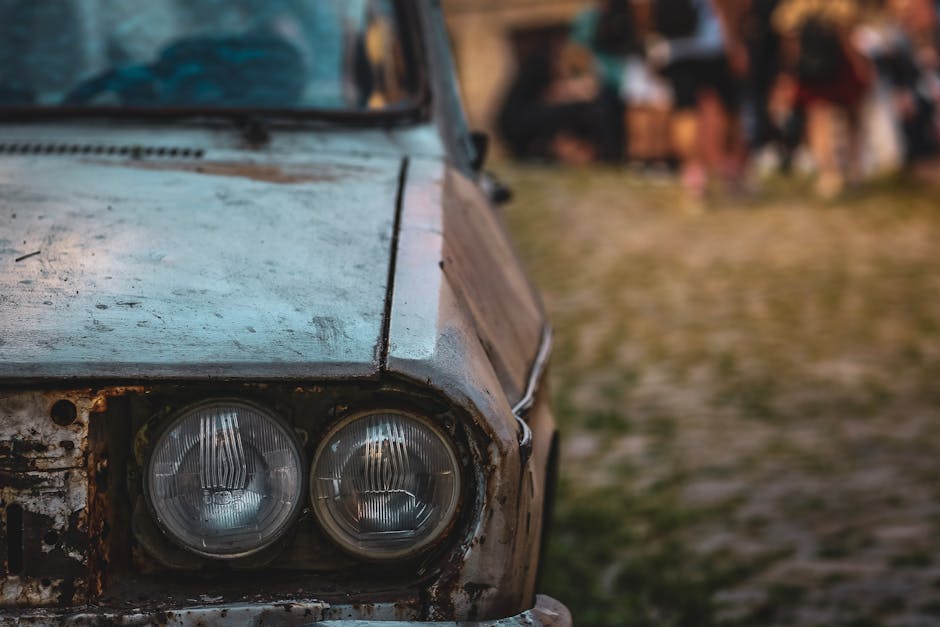
Sunlight is the primary culprit behind yellow headlights. UV radiation gradually breaks down the protective clear coat that shields the polycarbonate lens. Once that coating wears through, UV rays attack the plastic directly, triggering a chemical reaction called oxidation. This is what produces the yellow, cloudy, or hazy appearance on your headlights. Vehicles that spend most of their time parked outdoors are especially vulnerable. If you want to learn more about protecting your car’s surfaces from sun damage, our guide on how to maintain car exterior details covers several practical strategies.
Road Debris and Surface Damage
Every time you drive, your headlights are exposed to road salt, gravel, sand, and other debris. These particles chip and scratch the clear coat over time, creating tiny openings where moisture and UV light can penetrate more easily. Even minor surface scratches accelerate the degradation process. If you have ever wondered whether detailing can address those kinds of surface imperfections, take a look at our post on whether exterior detailing removes scratches.
Heat from Bulbs
The bulbs inside your headlight housings generate a significant amount of heat, especially halogen bulbs. Over months and years, that heat dries out and warps the polycarbonate plastic from the inside. This internal stress combines with external UV damage, making the yellowing worse and harder to reverse.
Temperature Fluctuations
Repeated cycles of heating and cooling cause the plastic to expand and contract. Over time, this thermal stress weakens the surface structure and can cause micro-cracks that allow moisture in. Condensation trapped inside the headlight housing adds another layer of cloudiness to the lens.
Why Yellow Headlights Are Worse in Louisiana
If you live anywhere along the Gulf Coast, your headlights face a tougher environment than vehicles in cooler, drier climates. Louisiana’s UV index stays high for most of the year, meaning your headlights absorb more ultraviolet radiation over a longer season. The state’s year-round humidity, which regularly sits above 70%, keeps moisture in constant contact with your headlight surfaces. Salt air blowing inland from the Gulf accelerates corrosion and eats through protective coatings faster than dry-climate conditions would.
All of these factors combine to make headlight yellowing happen sooner and progress more aggressively in the New Orleans area. Vehicles here often show noticeable oxidation within just a few years, while the same car in a northern inland state might stay clear for much longer. For a broader look at how Gulf Coast conditions affect your vehicle’s exterior, check out our complete guide to exterior car detailing.
DIY Fixes for Yellow Headlights
There are a few household remedies that can temporarily reduce headlight yellowing. One popular method uses a paste made from baking soda and vinegar. You apply the paste to the lens, scrub with a cloth or soft brush, and rinse. This can remove light surface haze and make a noticeable improvement for a short time.
Another common approach is toothpaste polishing. Non-gel toothpaste contains mild abrasives that can buff away a thin layer of oxidation. You apply it in circular motions, let it sit briefly, then wipe and rinse clean. While both methods work for minor cloudiness, they do not address the underlying problem. The oxidation returns within weeks because neither method replaces the protective clear coat.
Professional Headlight Restoration
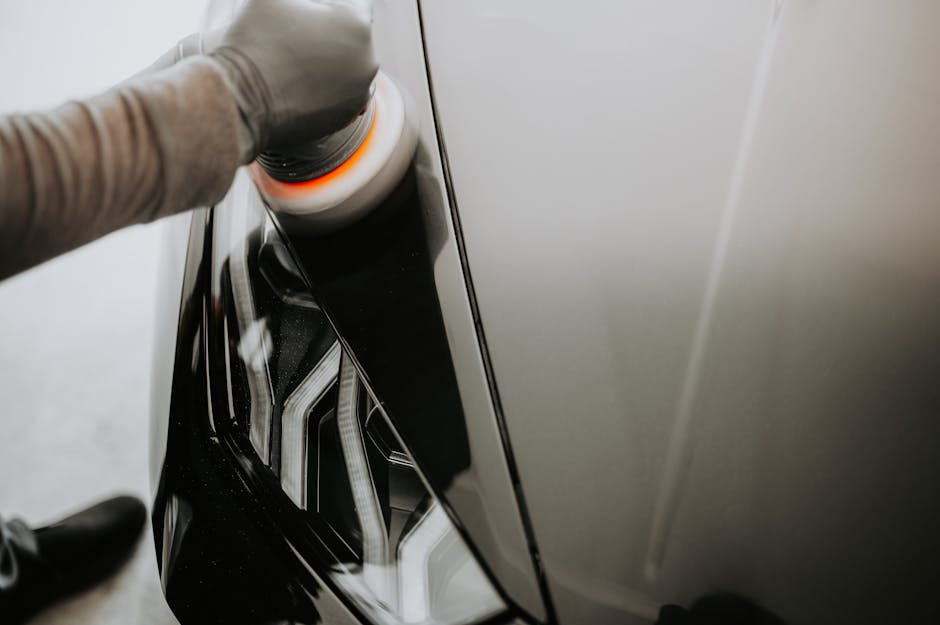
A professional headlight restoration takes a completely different approach. The process involves multi-stage sanding to remove the damaged layer of polycarbonate, followed by polishing to restore optical clarity. The final and most important step is the application of a durable, UV-resistant clear coat that protects the lens from future oxidation.
This professional clear coat is far more resilient than any DIY product, and results typically last one to three years depending on your driving conditions and climate. For vehicles in the New Orleans area, pairing headlight restoration with regular exterior detailing helps protect all of your car’s surfaces from the same environmental damage. To understand how long you can expect results to hold up, read our post on how long headlight restoration lasts.
Preventing Yellow Headlights
Prevention is always more cost-effective than repair. Applying a UV protectant to your headlights every three to six months adds a layer of defense against sun damage. Parking in a garage or shaded area whenever possible reduces UV exposure significantly. Regular cleaning removes road grime, salt, and contaminants before they can wear through the protective coating. Keeping up with a consistent maintenance schedule makes a real difference. Our post on how often you should get your car’s exterior detailed can help you build the right routine.
When to Get Professional Help
If your headlights are mildly hazy, a DIY method might buy you a few weeks of improved clarity. But if the yellowing is moderate to severe, or if you can see deep scratches and pitting on the surface, professional restoration is the better investment. Yellow headlights are not just a cosmetic issue. Severely oxidized lenses can reduce your headlight output dramatically, which compromises your safety on the road.
Our mobile service comes to you anywhere in the New Orleans metro area, so there is no need to drop your car off at a shop. Visit our contact page or call us at (504) 399-1448 to schedule your headlight restoration.
Frequently Asked Questions
Can yellow headlights be fixed permanently?
No fix is truly permanent because polycarbonate plastic will always be vulnerable to UV exposure over time. Professional restoration with a UV-resistant clear coat provides the longest-lasting results, typically holding up for one to three years before reapplication is needed.
Does toothpaste really work on yellow headlights?
Toothpaste can remove light surface oxidation because it contains mild abrasives. However, the improvement is temporary and usually fades within a few weeks because toothpaste does not replace the UV-protective clear coat.
How much does professional headlight restoration cost?
Professional headlight restoration typically costs between $100 and $250 per vehicle, depending on the severity of the oxidation and the service provider. This investment lasts significantly longer than DIY methods, making it more cost-effective over time.
Are yellow headlights a safety hazard?
Yes, severely oxidized headlights can lose 50 to 80 percent of their original light output. This significantly reduces your ability to see the road at night and makes your vehicle less visible to other drivers.
Why do headlights yellow faster in humid climates?
High humidity keeps moisture in constant contact with headlight surfaces, which accelerates the breakdown of protective coatings. Combined with intense UV exposure and salt air in coastal regions like Louisiana, the oxidation process happens much faster than in dry, inland areas.
How often should I apply UV protectant to my headlights?
Applying UV protectant every three to six months is a good general guideline. In high-UV environments like the Gulf Coast, leaning toward the three-month interval provides better protection against premature yellowing.