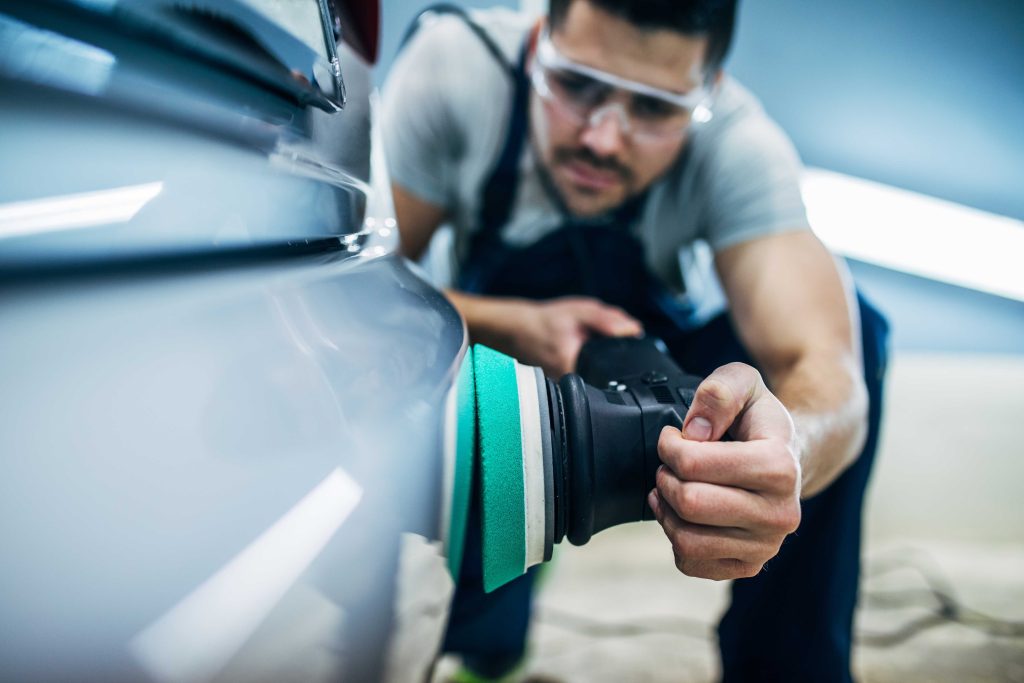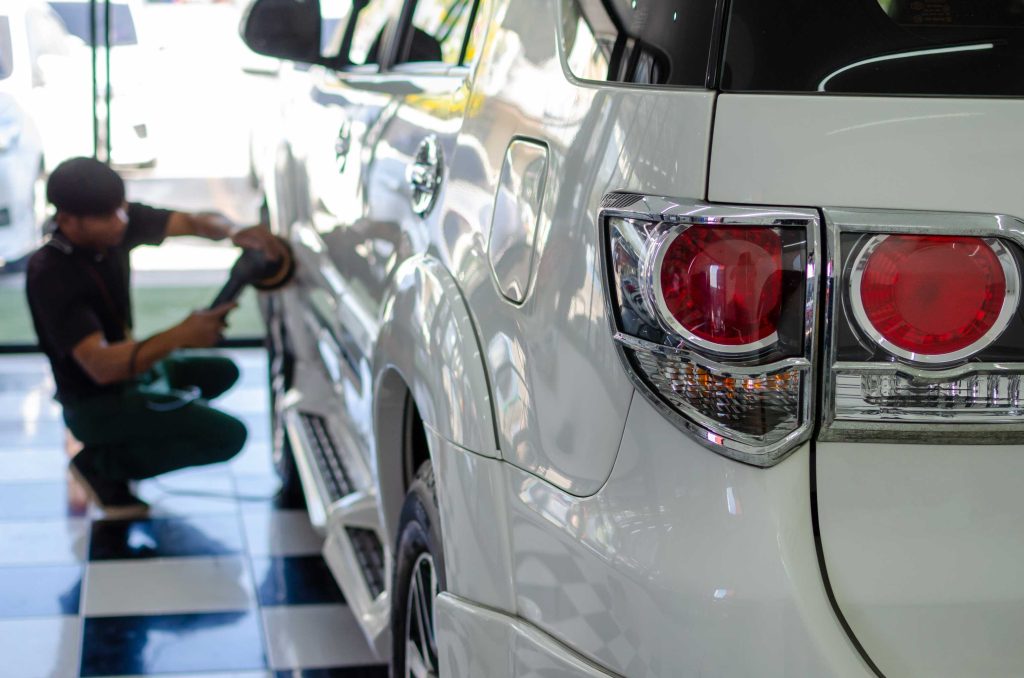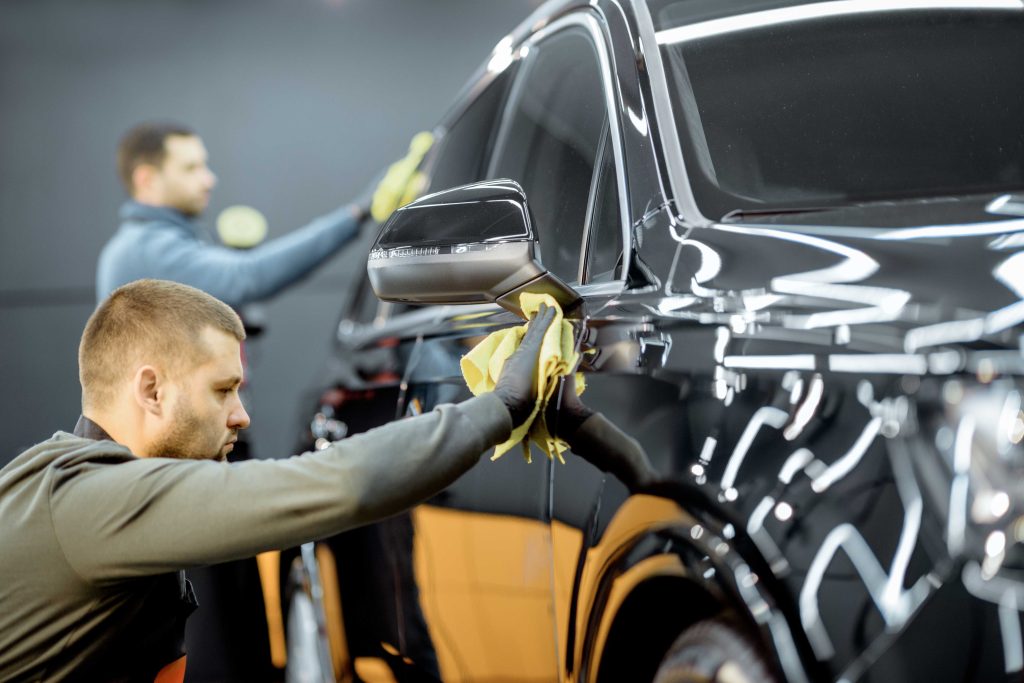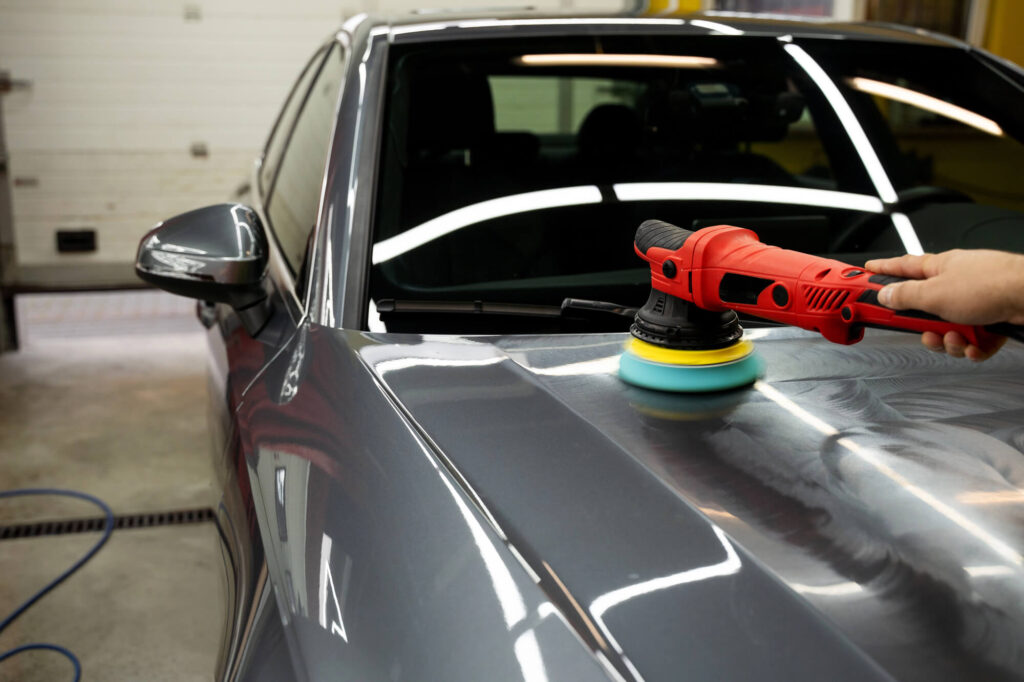
Most vehicles benefit from professional exterior detailing every 3 to 6 months, but the ideal schedule depends on your driving habits, environment, and storage conditions. Vehicles exposed to harsh weather or daily driving often need detailing every 3 to 4 months, while garage-kept cars can extend to twice a year.
Your vehicle’s paint takes a beating every single day. UV rays break down clear coat molecules, road grime embeds itself into microscopic pores, bird droppings etch through protective layers, and airborne contaminants bond to surfaces faster than most owners realize. Treating exterior detailing as routine maintenance — not a luxury — is the smartest way to protect one of your biggest investments.
Think of professional exterior detailing the same way you think about oil changes or tire rotations. Skipping it does not save you money — it accelerates wear and leads to expensive paint repairs down the road. A consistent detailing schedule removes harmful contaminants before they cause permanent damage, keeps your clear coat strong, and ensures your vehicle always looks its best, whether you are commuting through Metairie or cruising through the French Quarter.
So, how often should you actually get your car’s exterior detailed? The answer depends on several factors, and this guide breaks down every one of them so you can build a schedule that fits your vehicle, your lifestyle, and your budget.
Keep your car looking its best year-round—schedule a professional exterior detailing service today and protect your paint before damage starts.
Key Takeaways
- Most vehicles need exterior detailing every 3 to 6 months to maintain paint health and appearance
- Harsh environments — including coastal humidity, heavy sun, and industrial fallout — may require detailing every 3 to 4 months
- Garage-kept vehicles with minimal exposure can safely extend intervals to 6 to 8 months
- Protective coatings like ceramic coating and paint sealants can extend detailing intervals significantly
- Loss of water beading and visible paint dullness are clear signals that your vehicle needs immediate attention
- Regular detailing helps maintain resale value and prevents costly paint damage over time
What Factors Determine Detailing Frequency?
No single detailing schedule works for every vehicle. The right frequency depends on how your car lives, where it lives, and what it faces every day. Here are the three biggest factors that should shape your maintenance plan.
Environmental Exposure
 Your vehicle’s environment is the single biggest factor in how often it needs detailing. UV radiation from the sun breaks down the clear coat over time, causing oxidation that leaves paint looking chalky and faded. Acid rain deposits minerals that etch into the surface. Tree sap bonds to paint within hours and becomes nearly impossible to remove without professional decontamination. Dust, pollen, and industrial fallout settle on your vehicle daily, creating a layer of abrasive particles that grind into the paint every time something touches the surface.
If your vehicle is regularly exposed to these elements and is in New Orleans, the combination of intense sun, humidity, and coastal salt air means it almost certainly needs to be detailed more frequently. Every 3 to 4 months is the recommended baseline for vehicles facing heavy environmental exposure.
Storage Conditions
Where your vehicle sleeps at night makes a measurable difference. A garage-kept car avoids overnight dew, morning sun exposure, tree sap drips, and bird-dropping hazards. These vehicles accumulate contaminants far more slowly and can stretch detailing intervals to every 6 to 8 months.
Outdoor-parked vehicles face 24-hour exposure. Morning dew mixes with surface contaminants and bakes onto the paint as temperatures rise. According to the International Detailing Association, vehicles stored outdoors accumulate surface contaminants up to three times faster than garage-kept vehicles, making more frequent professional cleaning essential.
Vehicle Age and Condition
Newer vehicles with factory-fresh clear coats have stronger protection out of the gate, but that does not mean they are invincible. Starting a regular detailing schedule early preserves that factory finish far longer than waiting until problems appear. Older vehicles with thinner or already-damaged clear coats need more frequent attention because their remaining protection is weaker and more vulnerable to environmental attack.
If your vehicle has never been professionally detailed, or if it has been more than a year since its last service, a thorough paint correction and decontamination session should be your first step before establishing a maintenance schedule.
How Climate Affects Your Detailing Schedule
Climate is not just about temperature; it is the combination of sun intensity, moisture, salt exposure, and seasonal changes that determines how fast your paint degrades.
Here is how different climate zones affect your detailing needs.
Coastal Areas
Living near the coast as we do here in the Greater New Orleans area means your vehicle is constantly exposed to salt-laden air. Salt is one of the most corrosive substances your paint and metal surfaces encounter. It accelerates oxidation, attacks chrome trim, and degrades rubber seals. Coastal vehicles should be detailed on a quarterly schedule, roughly every 3 months, to remove salt deposits before they cause lasting damage.
Winter Climates
In regions where road salt and de-icing chemicals are used heavily, two strategic detail sessions make the biggest impact: one before winter to apply a strong protective layer, and one in early spring to remove all the accumulated salt, brine, and chemical residue. This prevents the corrosion and paint etching that winter driving causes.
Hot and Sunny Climates
Intense UV exposure is the primary enemy in hot climates. Louisiana summers deliver punishing sun that fades paint, degrades wax quickly, and accelerates clear coat failure. Vehicles in hot, sunny environments should be detailed every 3 to 4 months with a strong emphasis on UV-protective coatings and sealants that shield the paint between services.
Warning Signs Your Car Needs Immediate Detailing
Even with a regular schedule, certain warning signs mean your vehicle needs professional attention right now do not wait for your next planned appointment.
Water Beading Has Stopped
When your paint protection is working, water forms tight beads on the surface and rolls off. When those beads start to flatten and sheet instead of rolling, your wax, sealant, or coating is failing. This means your paint is exposed and vulnerable to contaminants bonding directly to the clear coat. Time to book a detail.
Rough Paint Texture
Run your hand across a clean panel. If it feels rough or gritty instead of glass-smooth, contaminants have bonded to the surface. These embedded particles — brake dust, industrial fallout, rail dust, and mineral deposits cannot be removed with a regular wash. Professional clay bar decontamination is needed to restore a smooth surface before those contaminants etch into the paint permanently.
Dull or Faded Appearance
If your paint looks flat, hazy, or lacks the depth and gloss it once had, oxidation has started. This means the clear coat is breaking down and the underlying paint is being exposed. A professional detail with polish and paint correction can restore clarity, but the longer you wait, the more material has to be removed — and clear coat does not grow back.
Visible Contaminants
Bird droppings, tree sap, bug splatter, and tar spots should be addressed within 24 to 48 hours whenever possible. These substances are acidic or adhesive and will etch or stain your paint if left in place. If you notice any of these on your vehicle and cannot address them immediately, at a minimum, rinse the area with water to dilute the contaminant until you can get a professional cleaning.
How Driving Habits Affect Detailing Frequency
The way you use your vehicle directly impacts how quickly contaminants accumulate and how fast your protection wears down.
Daily Drivers
 Vehicles used for daily commuting face the highest contaminant exposure. Stop-and-go traffic kicks up road debris, brake dust from the vehicle ahead settles on your hood and bumper, and every mile adds more grime. Daily drivers should be professionally detailed every 3 to 4 months to keep paint protected and looking sharp.
Highway Driving
Highway miles bring their own set of challenges. Bug splatter accumulates quickly during warmer months — and in Louisiana, love bug season can coat your front end in a single drive across the Causeway. Road debris causes micro-chips and stone strikes, while tar and rubber from the road surface bond to lower panels. Highway-heavy vehicles benefit from the same 3 to 4 month schedule with extra attention to the front fascia and lower body panels.
Occasional-Use Vehicles
Weekend cars and low-mileage vehicles accumulate contaminants more slowly, but they still face environmental exposure when parked. Dust settles, pollen coats surfaces, and UV rays do not care whether the car is moving or stationary. Occasional-use vehicles can typically stretch to every 6 to 8 months, especially if they are garage-kept between drives.
Commercial and Fleet Vehicles
Work trucks, delivery vehicles, and fleet cars face the heaviest use and the harshest conditions. They are rolling billboards for your business, and a dirty or damaged exterior sends the wrong message to customers. Commercial and fleet vehicles should be detailed monthly or bi-monthly, depending on usage intensity.
The Role of Protective Coatings in Extending Detailing Intervals
One of the smartest investments you can make for your vehicle’s exterior is a protective coating. The right coating creates a durable barrier between your paint and the elements, which means contaminants have a harder time bonding, and your vehicle stays cleaner longer between professional details.
Ceramic Coatings
Professional-grade ceramic coatings bond at the molecular level to your clear coat, creating a semi-permanent layer of protection that lasts 1 to 3 years, depending on the product and maintenance. With a ceramic coating in place, you can safely extend your detailing intervals by 2 to 3 months beyond what you would normally schedule. The hydrophobic properties keep the surface self-cleaning to a degree — water sheets off and takes loose dirt with it. However, ceramic coatings still require periodic maintenance washes and professional inspections to ensure the coating remains intact.
Paint Sealants
Synthetic paint sealants offer strong protection that typically lasts 3 to 6 months. They provide excellent UV resistance and chemical protection, making them a solid middle-ground option for vehicle owners who want better-than-wax durability without the investment of a full ceramic coating. Sealants are reapplied during each detail session, maintaining continuous protection as part of your regular maintenance schedule.
Traditional Wax
Carnauba and synthetic wax provide a warm, deep gloss that many enthusiasts love, but it is the shortest-lived protection option. Wax typically lasts 4 to 8 weeks before it breaks down, especially in hot, humid climates like ours in South Louisiana. If wax is your primary protection, you will need more frequent reapplication — either through professional details or maintenance washes between full services.
Should Vehicle Type Change Your Detailing Schedule?
Different types of vehicles have different detailing needs based on their paint systems, intended use, and owner expectations.
Luxury and High-End Vehicles
Luxury vehicles often feature multi-stage paint systems with softer clear coats that show imperfections more easily. Owners of high-end vehicles typically expect a flawless appearance at all times. A detailing schedule of every 2 to 3 months keeps these vehicles in showroom condition and prevents the kind of swirl marks and minor defects that are especially visible on dark, high-gloss finishes.
Trucks and SUVs
Trucks and SUVs have more surface area exposed to road debris, mud, and off-road contaminants. Their larger panels also collect more environmental fallout. A 3 to 4 month detailing cycle works well for most trucks and SUVs, with additional attention to wheel wells, lower rocker panels, and bed areas that accumulate heavy buildup.
Classic and Collector Cars
Classic cars often have single-stage paint that requires different care than modern clear-coated vehicles. These vehicles are typically low-mileage and garage-stored, so one to two professional details per year is usually sufficient. The focus should be on gentle decontamination, hand polishing with period-appropriate products, and high-quality wax protection that enhances the depth and character of vintage paint finishes.
Recommended Detailing Schedule by Vehicle Type
Use this table as a starting point to determine the right exterior detailing frequency for your situation. Adjust based on the specific factors covered in this guide.
| Vehicle Type / Condition | Recommended Detailing Frequency |
|---|---|
| Daily driver, parked outdoors | Every 3 to 4 months |
| Garage-kept, moderate use | Every 6 to 8 months |
| Coastal or harsh environment | Every 3 months (quarterly) |
| Luxury or high-end vehicle | Every 2 to 3 months |
| Occasional-use or weekend car | Every 6 to 8 months |
| Commercial or fleet vehicle | Monthly to bi-monthly |
| Classic or collector car | 1 to 2 times per year |
Why Regular Exterior Detailing Is Worth the Investment
Consistent exterior detailing is not just about looks — it is a financial decision that pays for itself over the life of your vehicle.
Prevents paint damage before it starts. Contaminants that sit on your paint cause etching, staining, and oxidation. Professional detailing removes these threats before they cause permanent harm. Repainting a single panel can cost $500 to $1,500 or more — far more than years of regular detailing combined.
Maintains and increases resale value. Paint condition is one of the first things buyers and dealers evaluate. Kelley Blue Book notes that a well-maintained exterior condition can add thousands to a vehicle’s trade-in or private sale value. A documented history of professional detailing demonstrates responsible ownership.
Reduces long-term repair costs. Small problems caught during a professional detail — stone chips that need touch-up, failing trim adhesive, early signs of rust — can be addressed cheaply before they become major repairs.
Keeps your vehicle looking newer, longer. There is a reason well-detailed five-year-old vehicles look better than neglected two-year-old ones. Regular professional care preserves gloss, depth, and clarity in a way that automatic car washes and garden hose rinses simply cannot match.
Build Your Detailing Schedule with Big Easy Mobile Detail
Now that you know how often your vehicle needs professional exterior detailing, the next step is simple: build a schedule and stick to it. Whether you drive a daily commuter through Kenner, a luxury sedan through Uptown, or a work truck across the Greater New Orleans area, a consistent detailing routine protects your paint, preserves your investment, and keeps your vehicle looking its absolute best.
Big Easy Mobile Detail brings professional-grade exterior detailing directly to your home or office — no drop-off, no waiting rooms, no hassle. We work around your schedule, so maintaining your vehicle is as easy as it should be. Contact us today to set up your personalized detailing schedule and give your vehicle the care it deserves.
Frequently Asked Questions About Exterior Detailing Frequency
Can regular washing replace professional detailing?
No. Regular washing removes loose surface dirt, but it cannot eliminate bonded contaminants like industrial fallout, mineral deposits, or embedded brake dust. Professional detailing includes clay bar decontamination, machine polishing to correct paint imperfections, and application of protective coatings — none of which a standard wash provides. Think of washing as brushing your teeth and detailing as a professional dental cleaning. Both matter, but they serve different purposes.
How does detailing frequency affect resale value?
Vehicles that receive regular professional detailing maintain significantly better paint condition, which directly impacts resale value. Buyers and dealers assess paint quality as a key indicator of overall vehicle care. A vehicle with well-maintained paint, free of oxidation and heavy swirl marks, commands a higher price than one with visible neglect. Consistent detailing every 3 to 6 months keeps paint in the best possible condition for resale.
Do newer cars need less frequent detailing?
Newer cars have fresh, clear coat and unblemished paint, but they are not immune to environmental damage. UV rays, bird droppings, tree sap, and road contaminants attack new paint just as aggressively as old paint. Starting a regular detailing schedule early actually preserves that factory finish far longer, making it one of the smartest things a new car owner can do. The goal is to protect the paint before damage accumulates, not to fix it after the fact.
What time of year is best for exterior detailing?
Spring and fall are ideal times for a thorough exterior detail. Spring detailing removes winter grime, salt residue, and pollen buildup, while fall detailing prepares your paint with a strong protective layer before the cooler, wetter months. That said, the best approach is a consistent year-round schedule rather than relying on seasonal timing alone. In our New Orleans climate, the combination of heat, humidity, and coastal air means your paint needs attention in every season.
How long does professional exterior detailing take?
A standard professional exterior detail typically takes 3 to 5 hours, depending on the vehicle’s size and condition. This includes a thorough wash, decontamination, polishing, and application of a protective coating. More intensive services like full paint correction can take a full day — 6 to 8 hours or more — because each panel must be carefully machine-polished in multiple stages to remove defects without compromising the clear coat.
Is mobile detailing as effective as a shop-based service?
Yes. A skilled mobile detailing professional with proper equipment delivers the same quality results as a brick-and-mortar shop. The tools, products, and techniques are identical — the only difference is the location. Mobile detailing actually offers advantages: your vehicle is detailed in a controlled, one-on-one environment without the risk of damage from other vehicles or shop traffic, and you do not lose time driving to and from a shop.
What is included in a standard exterior detailing service?
A comprehensive exterior detail typically includes a multi-stage hand wash, paint decontamination using clay bar or chemical methods, machine polishing to restore gloss and remove light defects, application of a protective coating (wax, sealant, or ceramic), wheel and tire cleaning and dressing, exterior trim restoration, and glass cleaning and treatment. Some packages also include engine bay cleaning and headlight restoration as add-on services.
Can detailing remove all scratches and swirl marks?
Professional paint correction can remove most light to moderate scratches, swirl marks, water spots, and oxidation. These defects exist in the clear coat layer and can be leveled through careful machine polishing. However, deeper scratches that penetrate through the clear coat into the base paint or primer cannot be fully corrected through polishing alone — these typically require touch-up paint or professional body shop repair. A qualified detailer will assess your paint and give you honest expectations before starting any correction work.