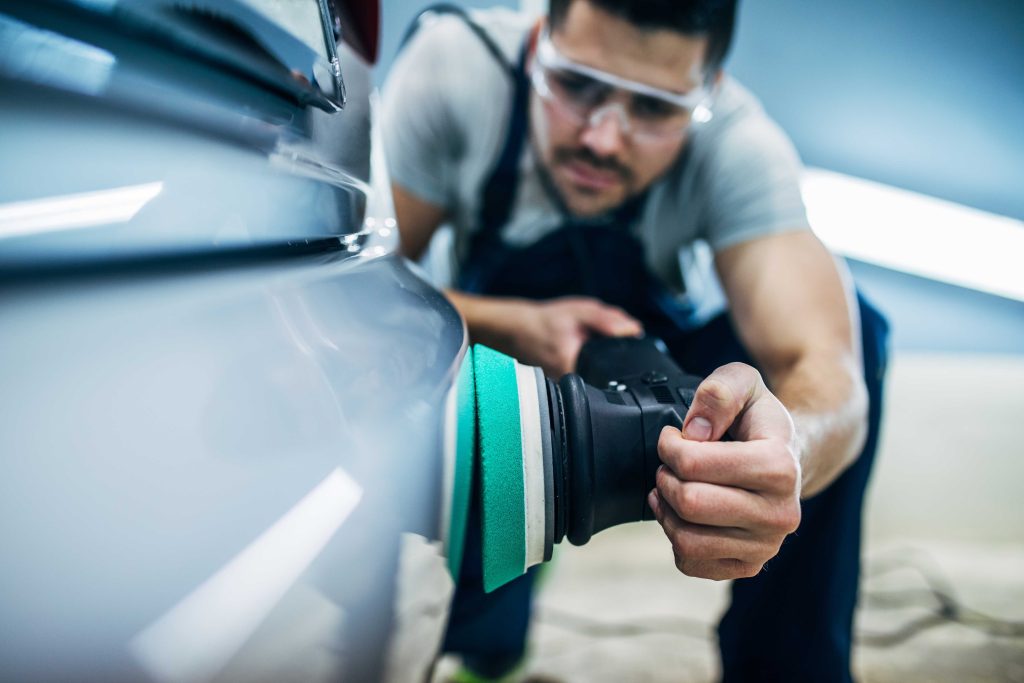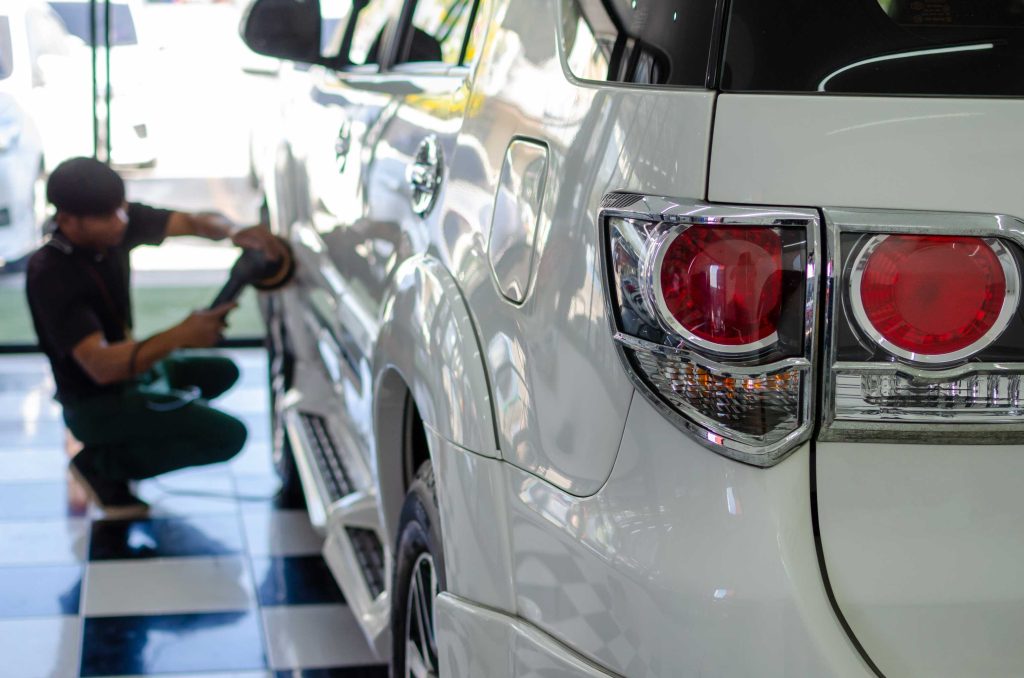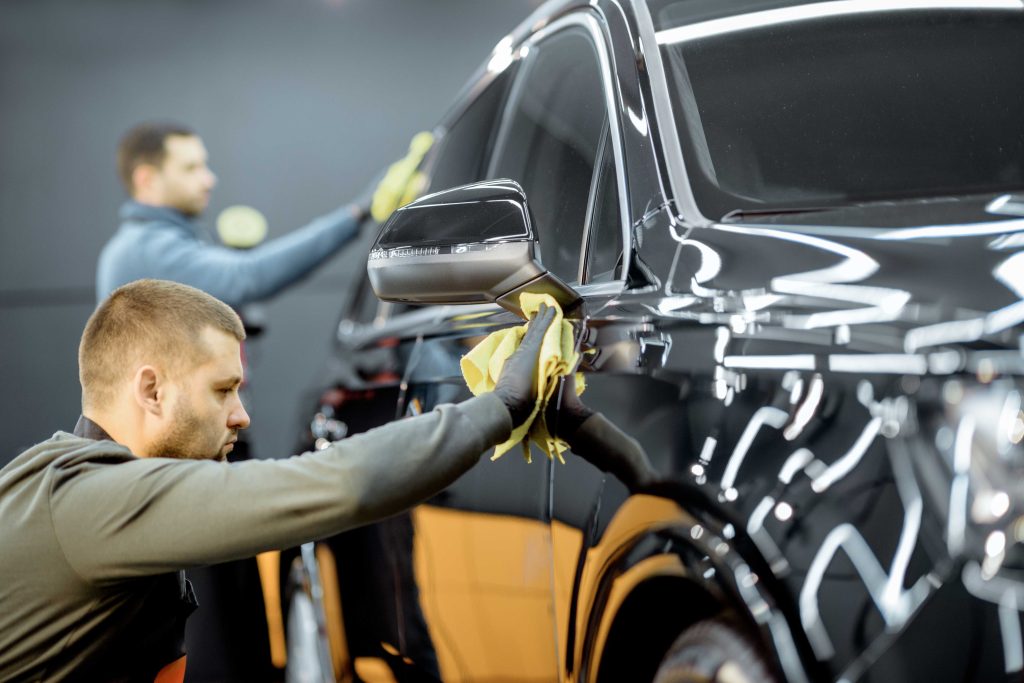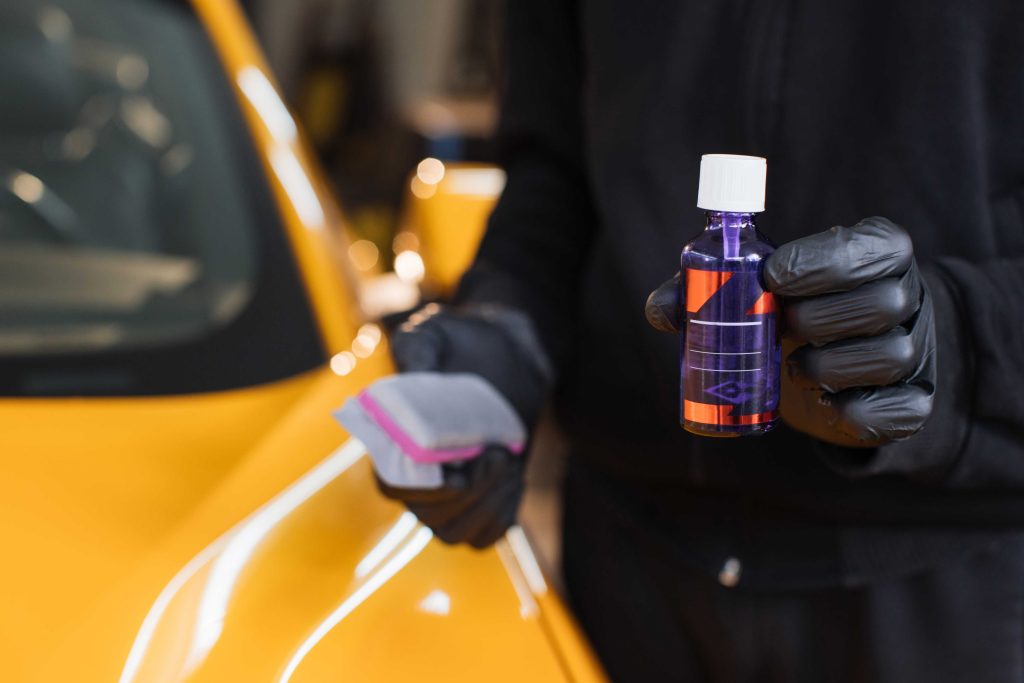
Car wax offers 1–3 months of shine and basic protection, paint sealants last 4–6 months with improved durability, while ceramic coatings provide 2–5 years of long-term protection with strong water-repelling and resistance properties.
Choosing the right paint protection for your vehicle can feel overwhelming. Between car wax, paint sealant, and ceramic coating, each option delivers a different level of shine, durability, and defense against the elements. Whether you drive through the humid streets of New Orleans every day or keep a weekend cruiser parked in Metairie, the protection you choose directly affects how your paint holds up over time.
Understanding the differences between these three options helps you make a smarter investment in your vehicle’s appearance and long-term value. In this guide, we break down how each product works, how long it lasts, what it costs, and which one fits your lifestyle best.
Protect your vehicle the right way — schedule a professional paint protection service today and keep your car looking newer for longer.
Key Takeaways
- Car wax provides a natural shine but lasts only 1–3 months
- Paint sealants offer 4–6 months of durable synthetic protection
- Ceramic coatings deliver 2–5 years of long-term protection
- Wax is affordable but requires frequent reapplication
- Sealants balance cost, durability, and ease of use
- Ceramic coatings provide the best long-term value and protection
- Your environment and maintenance habits affect performance
What Makes Car Wax Different From Other Paint Protection Options?
Car wax, most commonly made from carnauba wax, is one of the oldest and most recognized forms of paint protection. It works by applying a thin layer of natural wax to the vehicle’s surface, creating a temporary barrier between the paint and environmental contaminants. This barrier reflects light beautifully and gives the paint a warm, deep glow that many car enthusiasts prefer. However, because wax is an organic product, it breaks down relatively quickly when exposed to heat, moisture, and UV rays — something drivers in the Greater New Orleans area deal with nearly year-round.
Benefits of Car Wax
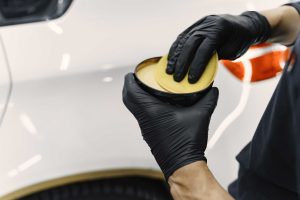
- Warm deep shine: Carnauba wax produces a rich, natural glow that enhances dark and deep paint colors especially well
- Easy to apply: Most paste and liquid waxes can be applied by hand or with a dual-action polisher in under an hour
- Affordable: A quality carnauba wax costs between $15 and $50, making it the most budget-friendly protection option
- Ideal for short-term protection: Perfect for prepping a vehicle before a car show, special event, or seasonal detail
Limitations of Car Wax
- Breaks down under UV exposure: Louisiana’s intense sun and humidity accelerate wax degradation
- Wears off with regular washing: Each wash strips a small amount of wax, reducing its effectiveness over time
- Limited chemical resistance: Wax offers minimal defense against bird droppings, tree sap, and road chemicals
- Requires reapplication every 4–12 weeks: To maintain any meaningful protection, you need to rewax regularly
How Paint Sealants Provide Longer-Lasting Protection
Paint sealants are synthetic alternatives to traditional wax that use engineered polymers to bond with your vehicle’s clear coat. Because they are chemically formulated rather than naturally derived, sealants create a more durable protective layer that withstands heat, rain, and UV exposure far better than carnauba wax. According to detailing industry data, synthetic sealants can outlast traditional wax by two to four times under the same conditions. For drivers in humid climates like New Orleans, a paint sealant offers a practical middle ground between affordability and lasting performance.
Benefits of Paint Sealants
- Lasts 4–6 months: Significantly longer protection compared to traditional wax
- Better weather and chemical resistance: Engineered polymers hold up against rain, UV, bird droppings, and road grime
- Glossy reflective finish: Produces a clean, mirror-like shine that many drivers prefer on lighter-colored vehicles
- Less frequent reapplication: You spend less time and money maintaining your vehicle’s finish throughout the year
Things to Consider With Paint Sealants
- Less warm shine than wax: Sealants produce a glossy, reflective look rather than the deep organic glow of carnauba
- Requires proper curing time: Most sealants need 12–24 hours to fully bond before exposure to water or moisture
- Still needs regular maintenance: While more durable than wax, sealants still wear down and need to be reapplied at least twice a year
What Advantages Do Ceramic Coatings Offer?
Ceramic coatings represent the most advanced level of consumer paint protection available today. These liquid polymer products contain silicon dioxide (SiO2) — and sometimes titanium dioxide (TiO2) — which chemically bond with your vehicle’s factory clear coat to form a semi-permanent protective shell. Unlike wax or sealant, a properly applied ceramic coating does not wash away or break down within a few months. It becomes part of the paint surface itself, offering years of protection with far less maintenance.
Key Benefits of Ceramic Coatings
- 2–5 years of protection: Professional-grade ceramic coatings last significantly longer than any wax or sealant on the market
- UV and oxidation resistance: Protects against sun damage and fading — critical in the intense Louisiana heat
- Hydrophobic properties: Water beads and slides off the surface, reducing water spots and making washing easier
- Easier cleaning: Dirt, pollen, and grime have a harder time bonding to the coated surface
- Scratch and stain resistance: Adds a harder layer on top of the clear coat that resists light marring and chemical staining
Important Notes About Ceramic Coatings
- Requires thorough surface preparation: The paint must be decontaminated, polished, and sometimes corrected before application
- Professional installation recommended: Improper application can cause high spots, streaking, and uneven protection
- Higher upfront cost: Professional ceramic coating application typically ranges from $500 to $2,000 or more, depending on vehicle size and condition
Comparison: Wax vs. Sealant vs. Ceramic Coating
| Feature | Car Wax | Paint Sealant | Ceramic Coating |
|---|---|---|---|
| Durability | 1–3 months | 4–6 months | 2–5 years |
| Shine Type | Warm deep glow | Glossy reflective | High-gloss slick |
| Protection Level | Basic | Moderate | Advanced |
| Maintenance | Frequent | Moderate | Low |
| Cost | Low | Medium | High |
Which Option Fits Your Driving and Ownership Style?
The best paint protection depends on how you use your vehicle, how long you plan to keep it, and how much time you want to spend on maintenance. Here is a breakdown by ownership style.
Daily Drivers
If you commute through New Orleans traffic every day, your vehicle faces constant exposure to road grime, UV rays, and occasional rain. A paint sealant or ceramic coating makes the most sense here because they reduce maintenance time and hold up against daily wear. Wax simply cannot keep up with the demands of everyday driving.
Show Cars or Weekend Vehicles
For vehicles that spend most of their time in a garage and come out for car shows or weekend cruises, carnauba wax delivers the best visual result. The warm, deep glow of natural wax is hard to beat when appearance is the top priority and exposure is limited.
New Vehicles
Applying a ceramic coating to a new vehicle is one of the smartest moves you can make. The paint is already in pristine condition, which means minimal prep work and maximum bonding. Protecting factory paint from day one preserves your vehicle’s resale value for years to come.
Lease Vehicles
If you are leasing, a paint sealant offers a good balance of protection without the higher cost of ceramic coating. It keeps the paint looking clean for the duration of a typical two- or three-year lease and helps avoid wear-and-tear penalties at return.
Older Vehicles
Older vehicles with faded or oxidized paint benefit most from a combination approach — paint correction first, followed by a ceramic coating or sealant. Applying protection over damaged paint locks in imperfections, so proper prep is essential regardless of which product you choose.
How Climate and Environment Affect Paint Protection Performance
Where you live and drive plays a major role in how long any paint protection product lasts. Environmental factors directly impact bonding, curing, and overall durability.
Hot and Sunny Climates
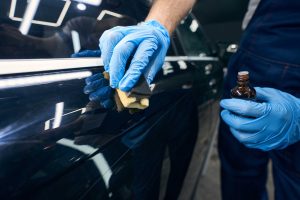 Intense UV exposure breaks down wax faster than almost any other factor. In New Orleans and the surrounding Gulf Coast region, temperatures regularly exceed 90 degrees for months at a time. Ceramic coatings with UV-resistant properties outperform wax and sealant significantly in these conditions.
Coastal Areas
Salt air accelerates corrosion and eats through unprotected clear coat. Living near Lake Pontchartrain or the Gulf means your vehicle faces constant exposure to salt-laden moisture. Ceramic coatings provide the strongest barrier against salt and mineral deposits.
Cold and Winter Climates
For those who travel to colder regions or deal with occasional winter weather, road salt and freezing temperatures can strip wax within weeks. A sealant or ceramic coating holds up far better through freeze-thaw cycles and chemical road treatments.
Urban Environments
City driving exposes your vehicle to industrial fallout, brake dust, and air pollution. These contaminants bond to unprotected paint and cause staining over time. A ceramic coating’s chemical resistance makes it the best option for urban drivers who want to minimize long-term damage.
Understanding the True Cost of Each Option
Price alone does not tell the full story. When you factor in how often each product needs to be reapplied and how much labor is involved, the long-term cost picture shifts dramatically.
Car Wax: $15–$50 Per Application
A single tin or bottle of quality carnauba wax costs between $15 and $50. If you apply it yourself every 6–8 weeks, you are looking at roughly $100–$400 per year in product costs alone, plus several hours of labor each time. Over five years, that adds up to $500–$2,000 in wax and your personal time.
Paint Sealant: $30–$80 Per Application
A quality paint sealant runs $30 to $80 per application. With two to three applications per year, you spend approximately $60–$240 annually. Over five years, that totals $300–$1,200 — less than wax when you factor in the reduced time commitment.
Ceramic Coating: $500–$2,000+ Professional Application
Professional ceramic coating installation costs between $500 and $2,000 or more, depending on the vehicle’s size, paint condition, and the grade of coating used. While the upfront cost is higher, a single application lasts 2–5 years with minimal maintenance. Over a five-year period, ceramic coating often ends up costing less per month than repeated wax or sealant applications.
Can You Combine These Protection Methods?
Many drivers wonder whether layering different products improves protection. The answer depends on which products you are combining and how they interact with each other.
Common Combination Approach
One of the most popular strategies among detailing professionals is applying a paint sealant as a base layer and then topping it with a coat of carnauba wax. The sealant provides durable, long-lasting protection, while the wax adds a warm, rich depth to the finish. This approach works well for drivers who want both durability and visual impact without committing to a ceramic coating.
Ceramic Coating Maintenance
Ceramic coatings should not be layered with traditional wax or sealant. Instead, use ceramic-specific booster sprays designed to refresh the hydrophobic properties and enhance the coating’s appearance. Applying wax on top of ceramic coating can actually reduce its water-repelling performance and interfere with the coating’s self-cleaning effect.
Common Mistakes to Avoid
- Applying protection to dirty or contaminated paint: Any product applied over dirt, road film, or iron deposits will trap contaminants under the protection layer and reduce bonding
- Skipping surface preparation: Paint correction, clay bar treatment, and decontamination are essential steps before applying any protection — especially ceramic coating
- Using incompatible products together: Layering silicone-based sealants with certain waxes or applying wax over ceramic coatings can create hazy finishes and reduce effectiveness
- Applying in direct sunlight or extreme heat: Heat causes products to dry too quickly, leading to streaking, uneven coverage, and poor bonding
- Expecting scratch prevention from any coating: No wax, sealant, or ceramic coating prevents rock chips or deep scratches — they reduce the risk of minor surface marring only
Why Professional Application Makes a Difference
While wax and some sealants can be applied at home with good results, professional application ensures every step is done correctly — from thorough surface decontamination and paint correction to precise product application and proper curing. A professional detailer uses high-quality products, controlled environments, and the experience needed to avoid costly mistakes like uneven coverage or trapped contaminants.
For ceramic coatings in particular, professional installation is strongly recommended. The margin for error is small, and a poorly applied ceramic coating can leave permanent high spots or streaks that require machine polishing to remove. When you invest in a professional application, you get consistent, lasting results that protect your paint and preserve your vehicle’s value.
Choosing the Right Protection for Your Vehicle
If you want a quick, affordable shine for a special occasion or short-term needs, car wax is a solid choice. If you need longer-lasting protection without a major investment, a paint sealant delivers excellent value. And if you want maximum durability, low maintenance, and the strongest defense against the elements, ceramic coating is the clear winner.
No matter which route you choose, proper surface preparation and quality products make all the difference. And for drivers in the New Orleans area dealing with heat, humidity, and salt air, investing in the right protection now saves you from expensive paint repairs later.
Not sure which protection is right for your car? Contact us today and get expert recommendations from Big Easy Mobile Detail, tailored to your vehicle. Explore our full range of professional detailing services to find the perfect fit.
Frequently Asked Questions
How long does each protection type last in real-world conditions?
Car wax typically lasts 1–3 months, depending on weather exposure and washing frequency. Paint sealants hold up for 4–6 months under normal driving conditions. Ceramic coatings last 2–5 years with proper care, including regular washing with pH-neutral soap and occasional booster applications.
Can ceramic coating be applied over wax or sealant?
No. Ceramic coating must be applied to a clean, bare paint surface that has been decontaminated and polished. Any existing wax or sealant residue prevents the coating from properly bonding with the clear coat, which reduces its durability and effectiveness.
Does paint protection prevent rock chips and deep scratches?
No. Wax, sealant, and ceramic coatings do not prevent rock chips or deep scratches. However, ceramic coatings add a harder layer on top of the clear coat that can reduce minor surface scratches and swirl marks from regular washing and light contact.
What happens if wax or sealant is layered repeatedly without removal?
Too much wax buildup causes haziness, streaking, and an uneven finish. Excess sealant can prevent proper bonding on subsequent applications. It is best to remove old product with a clay bar or chemical strip before reapplying either wax or sealant.
Is ceramic coating worth it for older vehicles?
Yes, ceramic coating can be an excellent investment for older vehicles — as long as the paint is properly corrected first. Applying ceramic coating over faded, scratched, or oxidized paint locks in those imperfections. A professional paint correction removes defects and restores clarity before the coating is applied, giving older vehicles a like-new appearance with lasting protection.
How does temperature affect the application of paint protection products?
Extreme temperatures affect bonding and curing for all three product types. High heat causes products to dry too quickly, leading to streaking and poor adhesion. Cold temperatures slow down curing and can prevent proper bonding. Most products perform best when applied in temperatures between 60°F and 80°F in a shaded or indoor environment.
Can these products damage paint if used incorrectly?
Most waxes and sealants are safe when used according to product directions. Ceramic coatings require more careful application — if left to cure too long before being leveled, they can create permanent high spots that require machine polishing to correct. This is one of the main reasons a professional application is recommended for ceramic products.
What maintenance does ceramic coating require after application?
Ceramic coatings require regular washing with a pH-neutral car wash soap to maintain their hydrophobic properties. Avoid automatic car washes with harsh brushes or chemicals. Every 3–6 months, apply a ceramic booster spray to refresh the water-beading effect and maintain the coating’s slick finish. Proper maintenance keeps the coating performing at its best throughout its full lifespan.