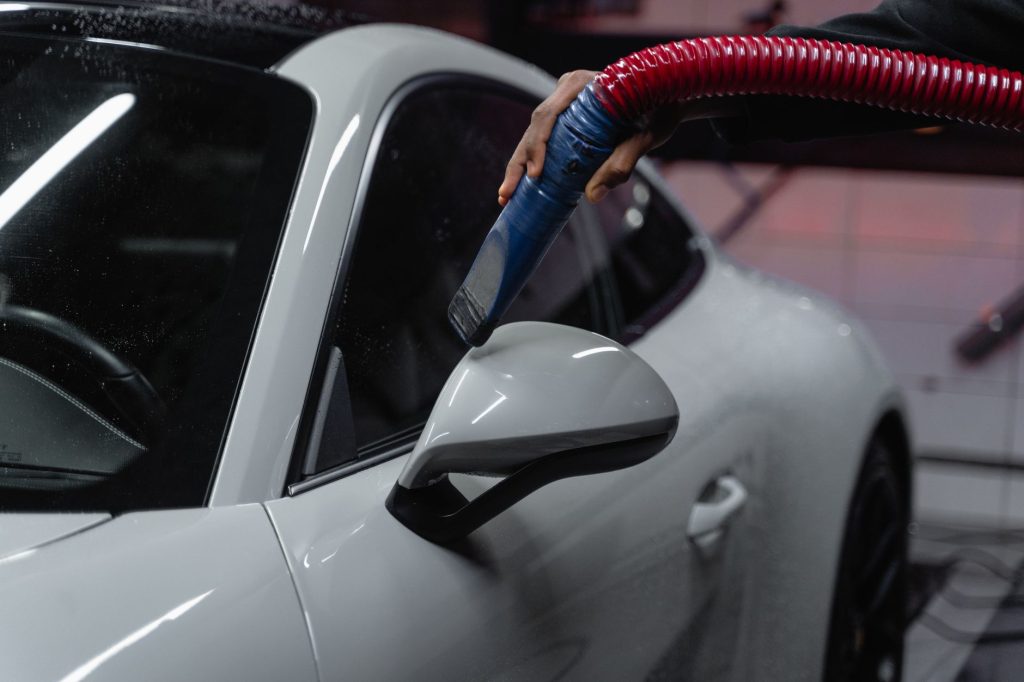
Interior detailing typically takes 1.5 to 3 hours for most vehicles, though a full deep cleaning can stretch to 4 hours or more. The timeline depends on your vehicle’s size, the condition of the interior, and the specific services included in your package.
What Determines How Long Interior Detailing Takes
When you schedule an interior detailing appointment, one of the first questions on your mind is probably how long you will be without your car. The honest answer depends on several factors, and understanding them helps you plan your day around the service.
At Big Easy Mobile Detail, we give customers a time estimate based on three main variables: vehicle size, interior condition, and the level of service they choose. A compact sedan with light daily wear is a very different job than a three-row SUV packed with dog hair, crumbs, and ground-in stains. Both deserve thorough attention, but the clock runs differently for each one.
Typical Time Ranges by Service Level
Interior detailing breaks down into a few general tiers, and each tier comes with its own time expectation.
Express or Mini Interior Detail: 1 to 2 Hours
An express interior detail covers the essentials: thorough vacuuming of seats, carpets, and floor mats, a wipedown of the dashboard, console, and door panels, interior window cleaning, and a light deodorizer. This option works well for vehicles that are maintained regularly and just need a refresh.
Standard Interior Detail: 1.5 to 3 Hours
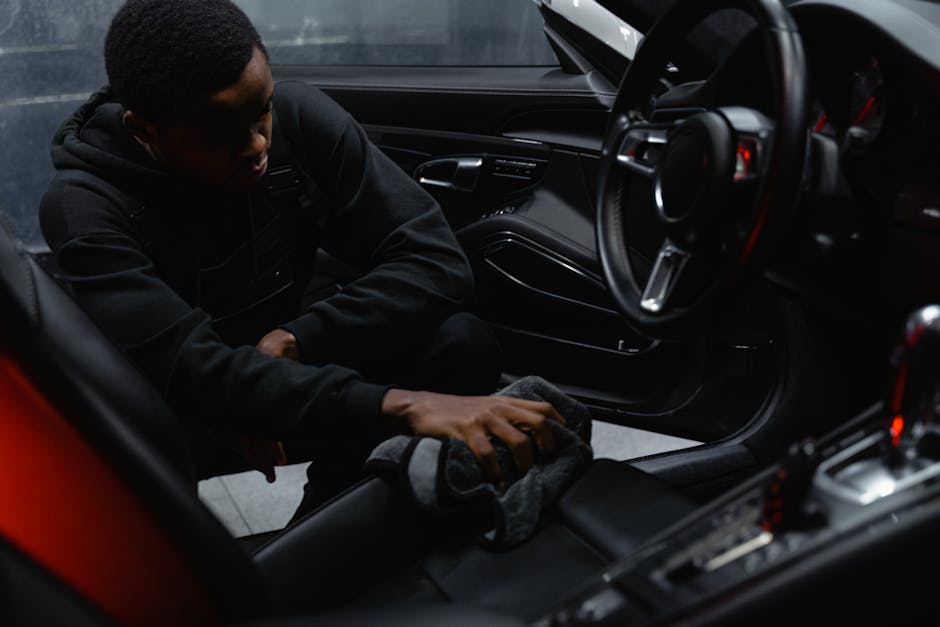
The standard detail goes deeper. On top of everything in the express package, it typically includes carpet shampooing, seat cleaning (fabric extraction or leather cleaning and conditioning), detailed brushwork on vents and crevices, and more thorough deodorizing. This is the most common service level, and it hits the sweet spot for drivers who want a genuinely clean cabin without a full restoration project. If you are also thinking about the outside of your vehicle, our guide on how long exterior detailing takes covers that side of the equation.
Full Deep Clean: 2 to 4 Hours
A full interior deep clean is reserved for vehicles that need serious work. Think heavy staining on seats or carpets, embedded pet hair, lingering smoke odor, mold or mildew buildup, or mineral deposits from water damage. Each of these conditions adds time because they require multiple cleaning stages, extended dwell times for products to work, and sometimes repeated extraction passes. In extreme cases, a vehicle may need a second visit to fully address deeply embedded issues.
Vehicle Size Makes a Real Difference
A compact car and a full-size SUV are not the same job, even when both are in similar condition. Larger vehicles have more surface area to vacuum, more seats to clean, more carpet to shampoo, and more panels to wipe down. As a general rule, expect SUVs, trucks, and vans to add 30 to 60 minutes compared to a compact or midsize sedan. Three-row SUVs with captain’s chairs and fold-flat cargo areas take the longest because every fold, crevice, and storage pocket needs attention.
This is worth keeping in mind when you compare quotes. A flat-rate price that ignores vehicle size usually means corners are being cut on larger vehicles. Our 2026 detailing price guide explains how pricing structures typically work across different service tiers.
Condition Is the Biggest Wildcard
More than vehicle size or service level, the current state of your interior has the largest impact on how long the job takes. A well-maintained interior that gets detailed every few months will breeze through a standard service in under two hours. A neglected interior that has not been deep cleaned in years can easily double or triple the time.
Here are some common conditions that add significant time to the process:
Pet hair. Pet hair weaves itself into fabric fibers, carpet loops, and seat stitching. Removing it requires repeated vacuuming passes, rubber brush agitation, and sometimes compressed air. A heavy pet hair situation can add 30 minutes or more on its own.
Food and drink stains. Spilled coffee, juice, milk, and crumbs ground into carpet fibers all need targeted treatment. Each stain requires product application, agitation, dwell time, and extraction. Multiple stains across different surfaces add up quickly.
Smoke odor. Cigarette or cigar smoke permeates every soft surface in the cabin, from the headliner to the seat foam. Removing the smell requires deep cleaning of all fabrics, ozone treatment or enzyme-based deodorizers, and sometimes multiple rounds of treatment.
Mold and mildew. Moisture trapped in carpets or under seats can lead to mold growth, especially in humid climates. Treating mold is a multi-step process that includes antimicrobial treatment, deep extraction, and thorough drying.
Leather vs. Cloth: How Seat Material Affects Timing
Cloth seats are typically cleaned with hot water extraction, where a cleaning solution is injected into the fabric and then vacuumed out along with the dirt. Multiple passes may be needed for heavy soiling.
Leather seats require a gentler approach. They are cleaned with pH-balanced leather cleaner and then conditioned with a protectant that keeps the material supple and prevents cracking. The conditioning step adds time, but it is essential for the leather’s longevity. Keeping up with regular maintenance between details helps across your whole vehicle, as our article on maintaining your car’s details explains.
Why Mobile Detailing Saves You Time Overall
The clock on an interior detail is only part of the time equation. When you drive to a traditional detail shop, you also spend time commuting there, waiting or arranging a ride, and then picking the vehicle up afterward. That can easily add an hour or more to your day.
Mobile detailing eliminates that overhead. The detailer comes to your home or office and works while you go about your day. No drop-off, no pickup, no waiting room. If you have been wondering whether mobile service is worth it, our post on whether mobile detailing is worth it digs into the practical advantages.
How to Help Your Detail Go Faster
You can shave time off the process by doing a few simple things before your appointment. Remove personal items, trash, and loose belongings from the cabin. Take out child car seats if possible, since the area beneath them is almost always a collection point for crumbs and spills. These small steps let the detailer focus entirely on cleaning rather than sorting and organizing.
Regular detailing also helps. Vehicles that are detailed every three to six months tend to stay in the standard service window because dirt and stains never get the chance to set in deeply. When you pair interior work with exterior detailing, you keep the whole vehicle in top shape without needing marathon cleaning sessions. For a complete look at what goes into the outside of the process, check out our complete guide to exterior car detailing.
Book Your Interior Detail
Whether your vehicle needs a quick refresh or a full deep clean, knowing the time commitment helps you plan ahead. Most interior details wrap up in under three hours, and the result is a cabin that looks, feels, and smells like new. Visit our contact page to schedule your appointment, or call us at (504) 399-1448 to get a time estimate based on your specific vehicle and needs.
Frequently Asked Questions
How long does a basic interior detail take?
A basic or express interior detail takes about 1 to 2 hours. This covers vacuuming, surface wiping, window cleaning, and light deodorizing, and works best for vehicles that are regularly maintained.
Does the size of my vehicle change the detailing time?
Yes, SUVs, trucks, and vans typically add 30 to 60 minutes compared to compact or midsize sedans. Larger vehicles have more seats, more carpet area, and more panels that all need individual attention.
Why does pet hair add so much time to interior detailing?
Pet hair embeds itself into fabric fibers, carpet loops, and stitching, making it resistant to standard vacuuming. Removing it requires multiple passes with specialized tools like rubber brushes and compressed air, which can add 30 minutes or more.
Does leather take longer to detail than cloth seats?
Leather seats add time because they require both cleaning and conditioning as separate steps. The conditioning process is essential for preventing cracking and maintaining the leather’s appearance, and it needs time for the product to absorb properly.
How often should I get my interior detailed?
Every three to six months is a good schedule for most drivers. Regular detailing keeps dirt and stains from setting in deeply, which means each session stays within the standard time window and costs less overall.
Can a very dirty interior require more than one detailing session?
In some cases, yes. Vehicles with severe mold, heavy smoke odor, or deeply embedded stains may need a second visit to fully resolve the issue. The first session handles the bulk of the cleaning, and the follow-up addresses anything that required extended treatment or drying time.