DIY headlight restoration kits cost $15 to $30 but results fade in three to six months, while professional restoration runs $100 to $250 and lasts one to three years. When you factor in reapplication frequency, professional service often costs less per year. For vehicles in high-UV, humid climates like Louisiana’s Gulf Coast, the durability gap between DIY and professional results is even wider.
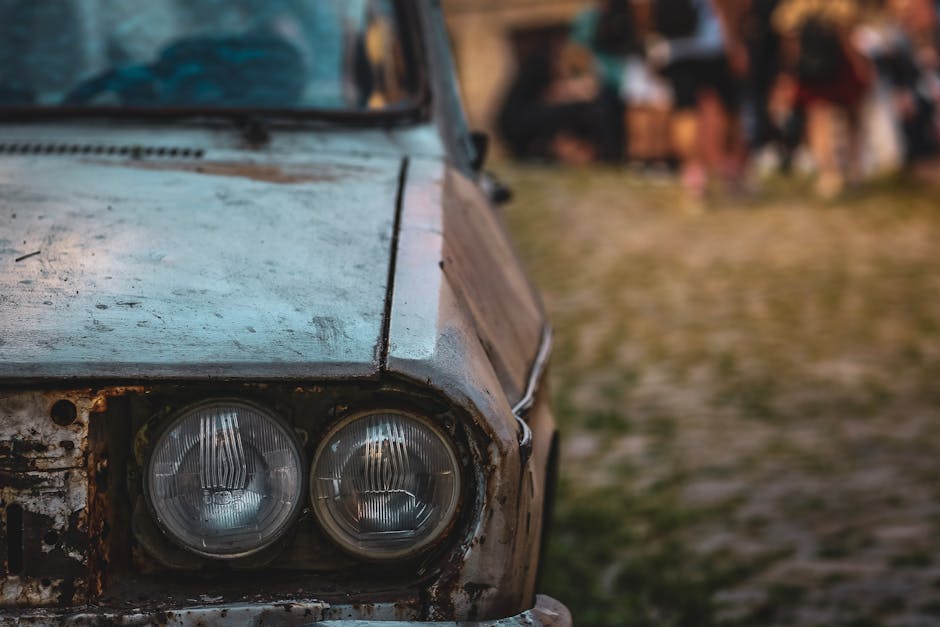
Cloudy, oxidized headlights are more than a cosmetic problem. They can lose 50 to 80 percent of their original light output, making nighttime driving significantly more dangerous. When it comes to fixing them, you have two main options: a DIY headlight restoration kit or a professional service. Both can improve clarity, but they differ sharply in cost, longevity, and results.
This guide breaks down the real differences between DIY and professional headlight restoration so you can decide which approach makes sense for your vehicle, your budget, and your local climate. If you are in the New Orleans area, Big Easy Mobile Detail offers mobile headlight restoration that comes directly to your home or office.
What DIY Headlight Restoration Involves
DIY headlight restoration kits are widely available at auto parts stores and online retailers. A typical kit costs between $15 and $30 and includes sandpaper in various grits, a polishing compound, and sometimes a basic sealant or coating. Most kits provide enough material to treat two to three vehicles, bringing the per-vehicle cost down to roughly $5 to $7.
The process generally involves wet sanding the headlight lens in stages, starting with a coarser grit to remove the oxidized layer and moving to finer grits for smoothing. After sanding, you apply the polishing compound to restore clarity, then finish with whatever sealant the kit provides. The entire process takes 30 to 60 minutes per headlight, depending on the severity of the oxidation.
For light haze or minor surface cloudiness, a DIY kit can produce a noticeable improvement. Headlights look visibly clearer after treatment, and for vehicles with only early-stage oxidation, it can be a reasonable short-term solution.
Where DIY Falls Short
The biggest limitation of DIY headlight restoration is durability. Results from most kits fade within three to six months. The sealants included in consumer kits simply cannot match the UV resistance of professional-grade clear coats. Once the thin protective layer wears off, oxidation returns, often just as fast as before.
In humid, high-UV climates like the Gulf Coast, DIY results tend to fade even faster. Louisiana’s year-round sun exposure, humidity levels above 70 percent, and salt-laden coastal air break down consumer-grade sealants more aggressively than the mild conditions those products are designed for. If you have ever wondered how the local climate affects your car’s exterior overall, our post on exterior detailing for different vehicle types explores how environmental factors vary depending on what you drive.
DIY kits also struggle with severe oxidation. When headlights have deep scratches, heavy pitting, or thick layers of yellowed plastic, consumer-grade sandpaper and compounds are not aggressive enough to remove all the damage. You may see improvement, but the lens will still look noticeably worse than it did when new.
What Professional Headlight Restoration Includes
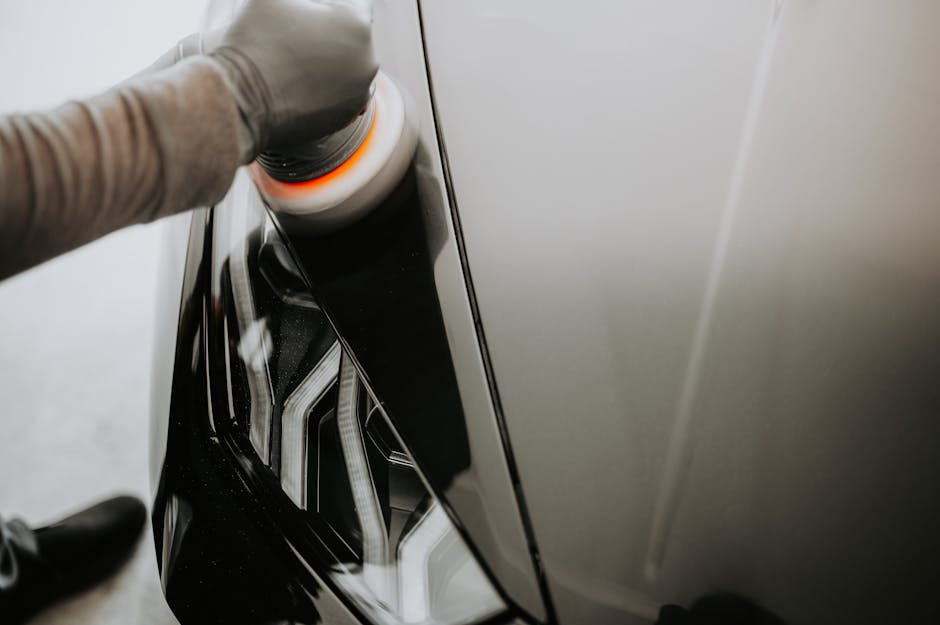
Professional headlight restoration is a multi-step process that uses industrial-grade tools and materials. A technician begins with a thorough assessment of the lens condition, then performs multi-stage sanding using progressively finer abrasives to remove the damaged outer layer of polycarbonate. This is followed by machine polishing to bring the surface to optical clarity.
The critical difference is the final step: application of a durable, UV-resistant clear coat. This coating is significantly thicker and more resilient than anything included in a DIY kit. It bonds to the polycarbonate surface and provides sustained protection against UV radiation, moisture, and environmental contaminants. Professional restoration can recover 90 to 95 percent of a headlight’s original clarity, and results typically last one to three years. To learn more about expected longevity, see our detailed post on how long headlight restoration lasts.
The Real Cost Comparison
At first glance, DIY looks like the clear winner on price. A $25 kit versus a $200 professional service is a significant gap. But headlight restoration is not a one-time purchase if you go the DIY route. Because results fade in three to six months, you will likely need to repeat the process multiple times per year to maintain clarity.
Here is how the math works over a three-year period. If a DIY kit costs $25 and you reapply four times per year, that totals $100 per year, or $300 over three years. A professional restoration costing $200 that lasts three years comes out to roughly $67 per year. The professional option costs less per year and requires zero effort on your part after the initial appointment.
This cost advantage grows stronger in harsh climates where DIY sealants break down faster. In the New Orleans area, you might find yourself reapplying every two to three months instead of every six, pushing DIY annual costs even higher. For a broader look at detailing costs in our area, our 2026 exterior car detailing price guide provides helpful benchmarks.
When DIY Makes Sense
DIY headlight restoration is a reasonable choice in a few specific situations. If your headlights have only minor haze with no deep scratches or pitting, a kit can restore acceptable clarity quickly. If you are preparing a vehicle for sale and need a fast cosmetic improvement without investing in professional service, DIY can work as a short-term fix. It also makes sense if you enjoy hands-on car maintenance and do not mind repeating the process regularly.
Keep in mind that improper sanding technique can leave swirl marks or uneven spots on the lens. If you go too aggressive with coarse sandpaper or skip grits, you can make the headlights look worse than before. Patience and following the kit instructions carefully are essential. For context on how surface correction works more broadly, our post on whether mobile exterior detailing is worth it discusses the value of professional care for your vehicle’s surfaces.
When Professional Service Is the Better Investment
Professional restoration is the stronger choice when headlights have moderate to severe oxidation, visible scratches or pitting, or when you want results that last without ongoing maintenance. It is also the better path if your vehicle spends most of its time outdoors in a demanding climate. The combination of industrial tools, multi-stage sanding, and a high-grade UV-resistant clear coat produces results that DIY simply cannot replicate.
If you are already investing in your vehicle’s appearance through services like paint correction or regular exterior detailing, adding professional headlight restoration makes practical sense. It keeps every visible surface of your vehicle in consistent condition. For guidance on scheduling and time expectations, take a look at our post about how long exterior detailing takes.
Making Your Decision
The right choice depends on the condition of your headlights, your budget timeline, and how much effort you want to put in. For quick fixes on mildly hazy lenses, DIY kits offer an affordable entry point. For lasting clarity, better safety, and lower long-term cost, professional restoration delivers more value.
Our mobile service covers the entire New Orleans metro area, and we bring everything needed right to your location. Visit our contact page to schedule an appointment, or call (504) 399-1448 to talk with our team about your headlights.
Frequently Asked Questions
How long does a DIY headlight restoration last?
Most DIY headlight restoration kits produce results that last three to six months before oxidation returns. In hot, humid climates like Louisiana, the results often fade closer to the three-month mark because consumer-grade sealants break down faster under intense UV and moisture.
Is professional headlight restoration worth the cost?
Yes, when you compare long-term costs, professional restoration often works out to less per year than repeated DIY treatments. A $200 professional service lasting three years costs roughly $67 per year, while DIY kits reapplied four times annually can total $100 or more per year.
Can DIY headlight restoration damage my headlights?
Improper technique can cause problems, including swirl marks, uneven surfaces, or removing too much material from the lens. Following the kit instructions carefully and working through each sanding grit in order reduces the risk of making things worse.
How much clarity can professional restoration recover?
Professional headlight restoration can recover 90 to 95 percent of a headlight’s original clarity. This level of restoration is possible because professional technicians use industrial-grade compounds and apply a durable UV-resistant clear coat that consumer kits do not include.
Do cloudy headlights affect my car’s safety inspection?
In many states, severely cloudy or yellowed headlights can cause a vehicle to fail inspection because they reduce light output below minimum standards. Cloudy headlights can lose 50 to 80 percent of their original brightness, which directly impacts road safety.
Should I restore my headlights before selling my car?
Clear headlights improve a vehicle’s overall appearance and signal to buyers that the car has been well maintained. Whether you choose DIY for a quick improvement or professional restoration for a longer-lasting result, addressing yellowed headlights before listing your vehicle is a smart move that can positively influence buyer perception.