Brake Dust Removal — Stop Corrosive Brake Dust Before It Damages Your Wheels
Every time you brake, corrosive metallic particles bond to your wheel surfaces. Left untreated, brake dust causes permanent pitting, discoloration, and finish degradation. Our professional removal process dissolves and extracts these particles safely.
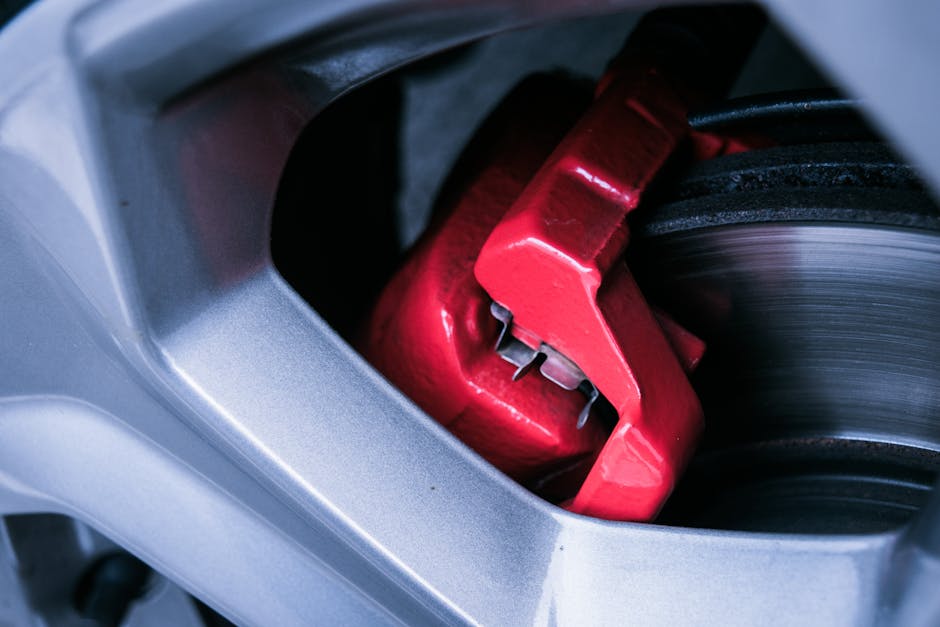
What's Included in Brake Dust Removal
Every service is performed by trained technicians using professional-grade products. No shortcuts — ever.
pH-Balanced Iron Dissolvers
Professional-grade products that dissolve metallic brake particles without harsh acids that can damage wheel finishes.
Color-Change Indicator
Product turns purple/red on contact with iron particles — so you can see exactly what's being removed.
Detailed Brush Work
Specialized brushes reach spoke gaps, lug nut recesses, and inner barrel areas where brake dust concentrates.
All Brake Pad Types
Effective on dust from semi-metallic, ceramic, and carbon-metallic brake pads — each generates different contamination.
Prevents Pitting
Regular removal stops iron oxidation before it eats through clear coat and causes irreversible wheel damage.
Every 2-4 Weeks
Recommended removal schedule for daily drivers in New Orleans' humid, stop-and-go conditions.
Understanding What Brake Dust Actually Is
Brake dust is a fine mixture of metallic shavings, adhesive residue, and carbon fibers shed from your brake pads and rotors every time you slow down or stop. The composition depends on your brake pad type:
- Semi-metallic pads: Steel, iron, and copper particles — the heaviest and most corrosive dust
- Ceramic pads: Less visible dust, lighter in color, but still contains metallic particles that need removal
- Carbon-metallic (performance): The most aggressive dust generation of any pad type
Why Brake Dust Is More Dangerous Than It Looks
Iron particles from brake dust oxidize immediately on contact with moisture and oxygen, creating iron oxide (rust) directly on your wheel surface. In New Orleans, where humidity keeps surfaces damp almost continuously, this oxidation process begins within hours of parking.
The particles embed in your wheel's clear coat, and corrosion happens from within — invisible until pitting appears. Once pitting starts, it's irreversible without professional wheel refinishing or replacement.
Brake Dust and the New Orleans Driving Environment
New Orleans driving generates more brake dust than average due to several factors:
- Stop-and-go traffic on I-10 and the Pontchartrain Expressway means constant braking
- High humidity accelerates iron oxidation within hours, not days
- Port, rail, and industrial corridor activity adds environmental iron fallout on top of brake dust
This combination makes regular professional brake dust removal essential for preserving your wheels in the New Orleans area.
How We Remove Brake Dust Professionally
Our process starts with a visual assessment to determine contamination severity, then follows a proven approach:
- pH-balanced iron dissolver applied (not acidic — safe for all wheel finishes)
- Color change monitored — purple/red indicates iron particles dissolving
- Specialized brushes work into spoke gaps, lug nut recesses, and inner barrel
- Thorough rinse removes all dissolved contamination
- Follow-up with rim decontamination if needed for stubborn buildup
Brake Dust Removal — Frequently Asked Questions
Everything you need to know. Still have questions? Call us at (504) 399-1448.
Regular soap can remove loose surface-level dust, but cannot dissolve metallic particles that have bonded to your wheel finish. Those require professional iron-dissolving products.
Look for brown or orange specks that won't wash off, a rough or gritty texture after washing, or dull spots that don't respond to standard soap and water.
Yes. Semi-metallic pads produce the most visible and corrosive dust. Ceramic pads generate less dust in a lighter color, but the particles still need regular removal.
Not when done properly with pH-balanced products and detailing-specific soft brushes. We never use abrasive tools or harsh acids on wheel surfaces.
In humid New Orleans conditions, oxidation begins within hours of the dust landing on your wheels. Visible pitting can develop after weeks to months of untreated accumulation.
Yes, it's a standard part of our full exterior detailing service. It's also available as a standalone service for targeted wheel care.
Ready to book your Brake Dust Removal? Get a free, no-obligation estimate in minutes.
Get My Free EstimateExplore Our Other Services
We handle everything your vehicle needs — all at your door.
Exterior Detailing
Full wash, clay bar, polish & protective wax for showroom shine.
Learn moreInterior Detailing
Deep cleaning of every surface — stains, odors, and buildup eliminated.
Learn morePaint Correction
Multi-stage polishing removes swirl marks, scratches, and oxidation.
Learn moreCeramic Coating
Hydrophobic protection that shields paint from UV, chemicals, and weather.
Learn moreGet Your Free Quote in Minutes
Tell us about your vehicle and we'll respond with a no-obligation estimate — usually within the hour.
Prefer to Talk?
Zero-risk guarantee. Not thrilled with your service? We make it right or you don't pay. That's the Big Easy promise.